
Electric vehicle batteries: Europe imposes a new rule for 2027, but obstacles persist
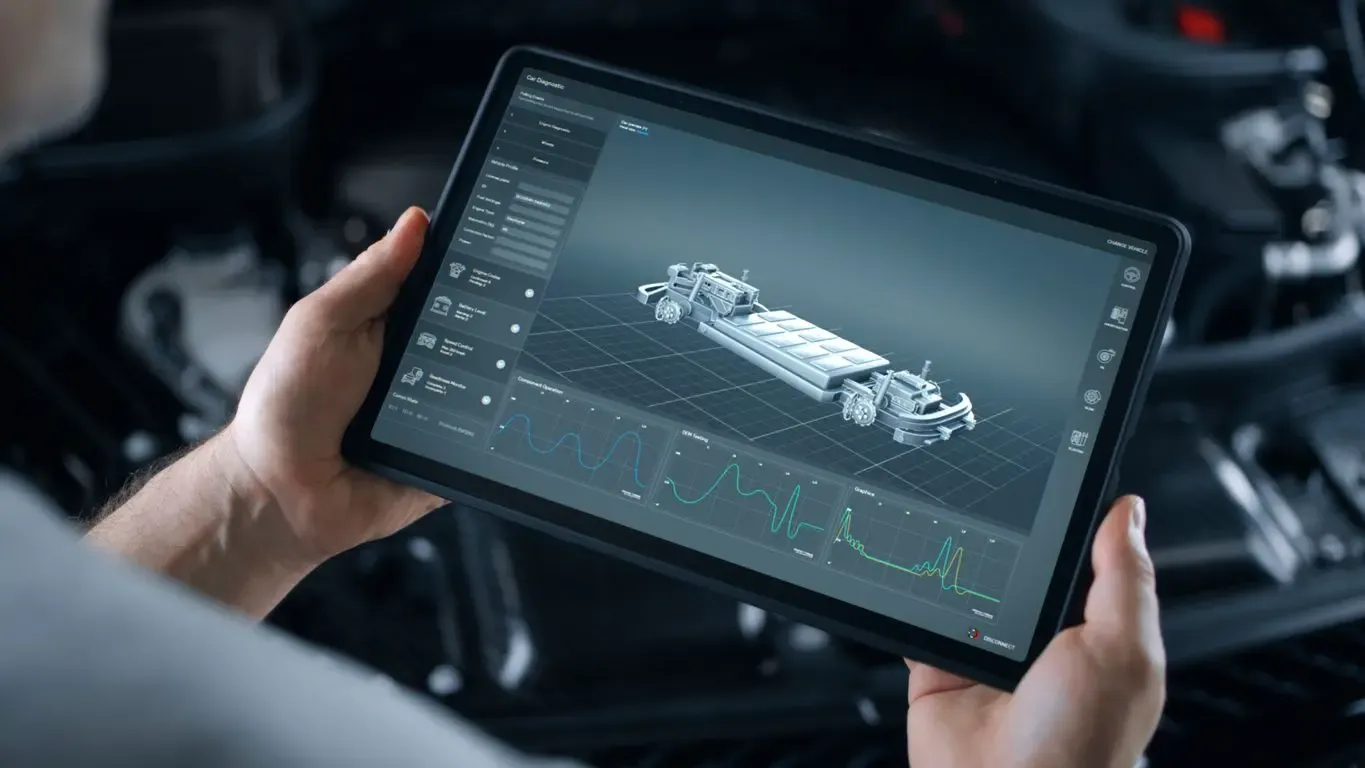
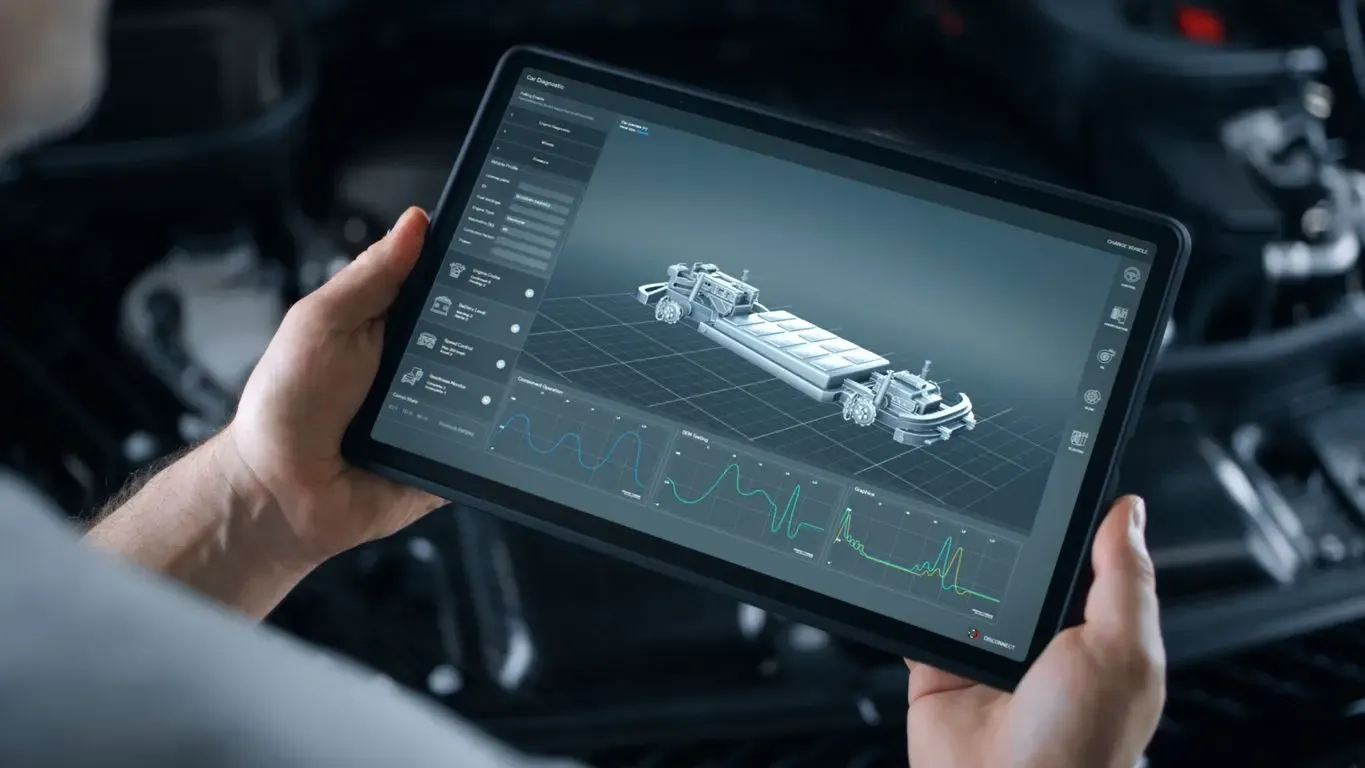
Starting in February 2027, batteries in electric vehicles sold in the European Union will need to have a digital passport. This measure is intended to improve their traceability and transparency. But with just a few months left before the deadline, automakers are still facing various challenges in complying with this new regulation.
The European Union wants full transparency regarding electric vehicle batteries. With the digital passport, Brussels aims to enable better understanding of their composition, origin, and condition. In theory, the idea seems sound. In practice, implementing it turns out to be more complicated than expected.
The Battery Passport: A Real Headache
Starting February 18, 2027, every new electric vehicle battery introduced to the European market will need its own digital passport accessible via a QR code. This passport will contain numerous pieces of information, with varying levels of access depending on the user. Manufacturers generally know what information they must include. Some data is relatively easy to obtain: the manufacturer’s name, chemical composition, nominal capacity, and production date.
Also Read
Purchasing a used electric vehicle will become more reassuring thanks to this new requirement
But things get complicated when it comes to tracking the battery’s performance over its lifetime. Asked by Automotive News Europe, Felix Wagner, head of Circunomics, highlighted the challenges related to battery health status, specifically the SoH (State of Health). How can we ensure that two manufacturers use a comparable calculation method? Without standardization, results may vary from brand to brand, which would greatly reduce the usefulness of such a device.
Do the Chinese have an advantage?
There is another challenge related to gathering information throughout the supply chain. From raw material extraction, processing, cell manufacturing, to final assembly, there are many stakeholders involved. No single manufacturer possesses all the necessary data on its own.
Christian Marston, operations director at Altilium, a recycling specialist, believes that it is precisely at this level that companies face the greatest challenges. It will therefore be necessary to strengthen information exchange between suppliers, who are sometimes located on the other side of the world. In this context, some Chinese manufacturers might gain an advantage. According to Felix Wagner, companies like BYD have already developed a more advanced approach to collecting and analyzing automotive data. This advantage could help them adapt to new European requirements.
The deadline is approaching rapidly. The European Commission has issued recommendations to assist manufacturers, but several technical issues remain unresolved. Not all information will be required starting in February 2027, particularly that related to carbon footprint and recycled materials. It remains to be seen whether manufacturers will manage to make their systems compatible in time.