
Batteries: After several incidents, CATL wants stricter controls
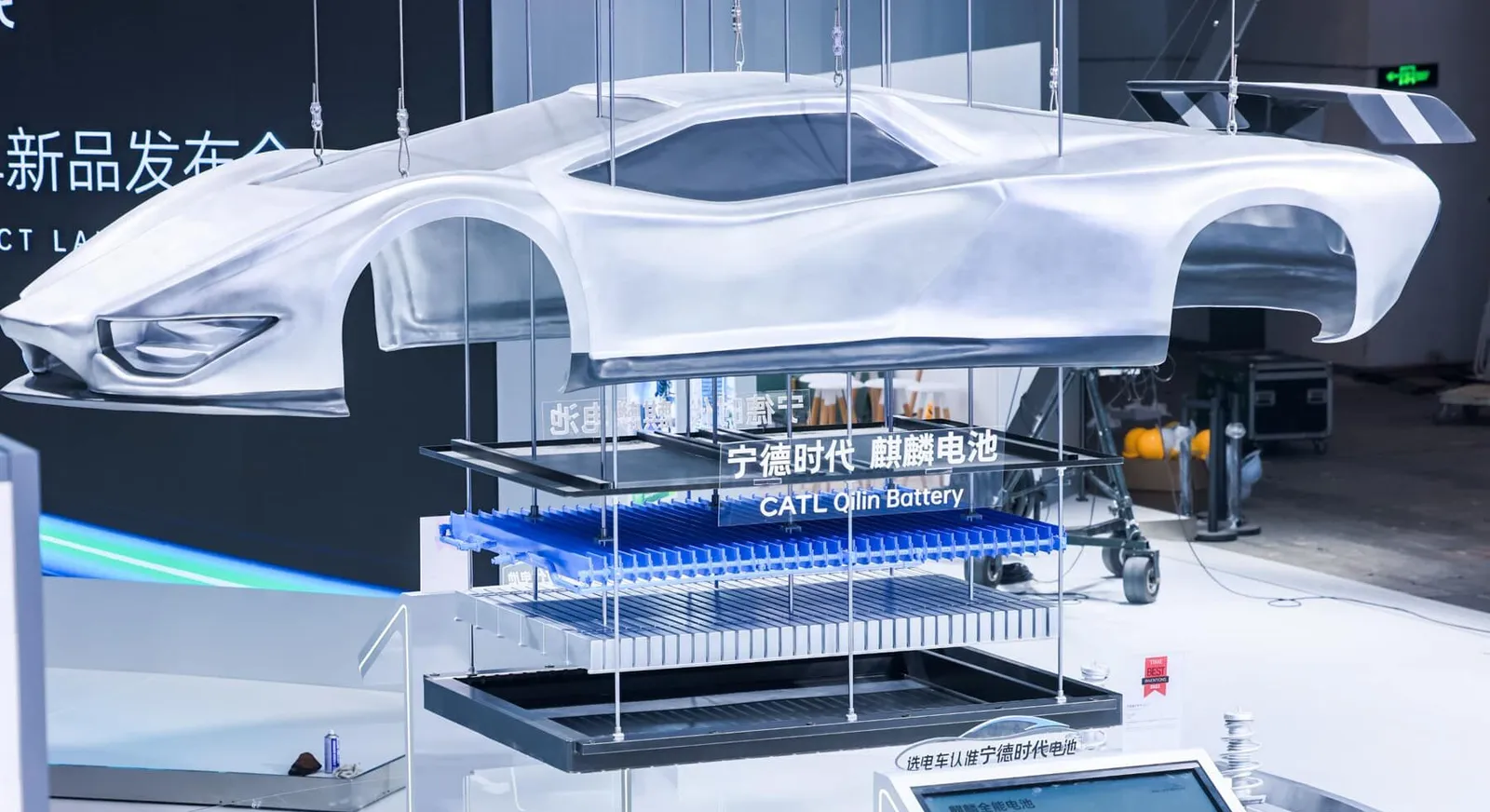
Following several incidents over the past few months at various battery manufacturers, CATL wants to strengthen quality controls throughout the industry. The current checks are said to be inadequate for the new production volumes.
During his speech at the 2026 World Power Battery Conference, Robin Zeng did not directly mention his competitors. But when the CATL president discussed recent quality issues that have affected various automakers, he alluded to cases such as Sunwoda batteries in Geely vehicles or CALB batteries in GAC vehicles. In such situations, a handful of low-quality cells can trigger a crisis affecting many vehicles. The current standard is to tolerate one defective cell per million.
Also read
CATL: The battery giant records a record-breaking half-year thanks to the global surge in electric vehicles
According to Zeng, this criterion is no longer sufficient in an industry of such scale, let alone in a country where hundreds of new electric models are launched each year. His argument aligns perfectly with the efforts underway in Beijing in recent months. The government is working to build consumer trust by imposing increasingly strict standards for quality, safety, and consumer information.
1,000 times more demanding
Of course, Zeng was also at the conference to promote the quality of his company’s products. He emphasized that CATL now has a quality standard of one in a billion, rather than one in a million. He relies on automated quality controls as well as a team internally known as the “opposition group” to achieve this.
He has a veto power over the project validation stages or the shipment of cell batches. He is responsible for subjecting the company’s products to extreme tests to identify any potential defects or the most demanding usage scenarios.
It should be noted that China currently holds about 70% of the world’s electric vehicle battery production capacity, at 608 GWh.