
Battery expert: Europe’s industry is falling behind Asia
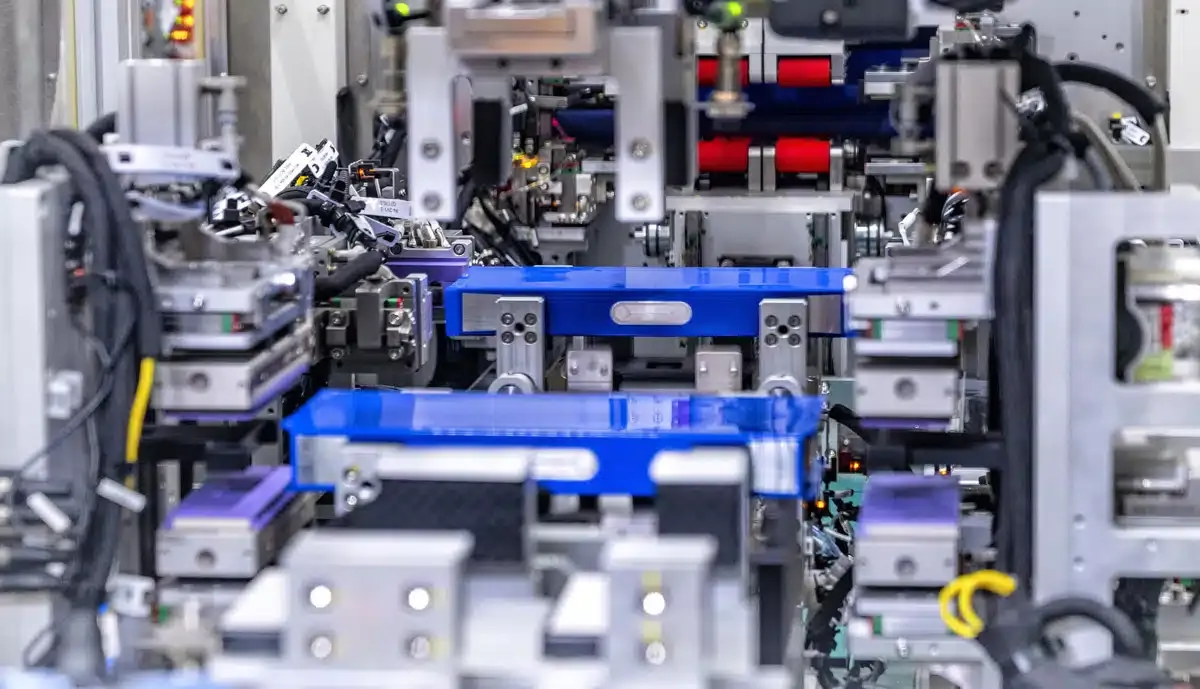
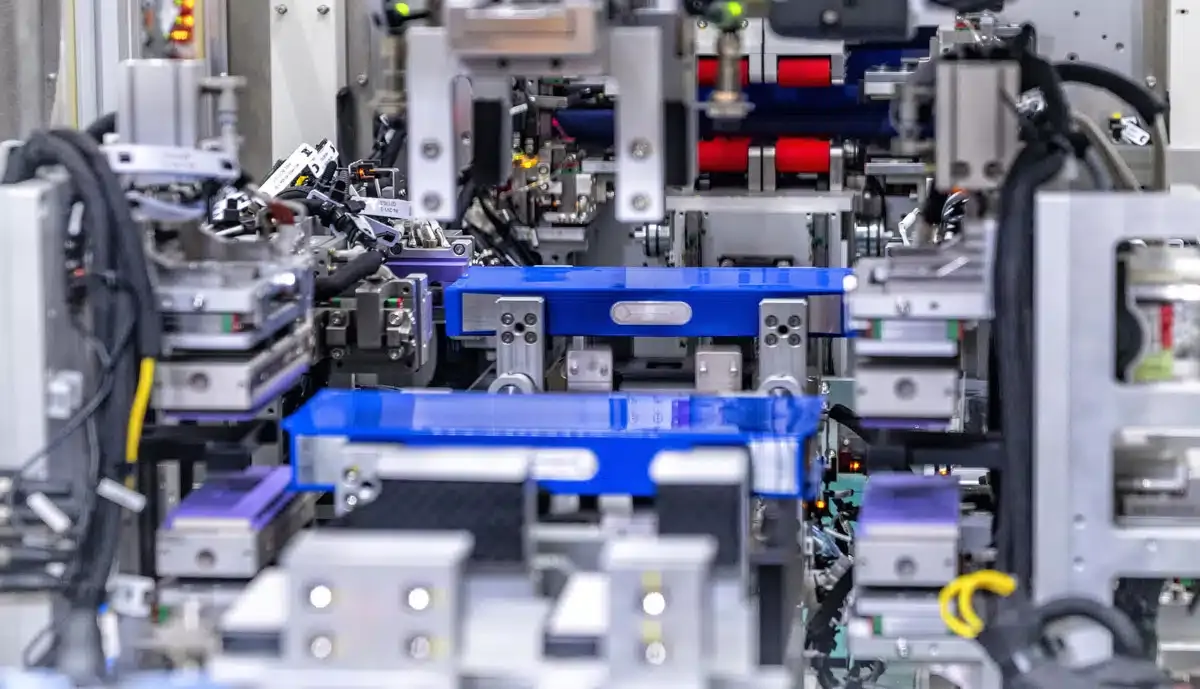
Image: Volkswagen AG (illustrative)
The European battery industry faces the challenge of catching up to the technological lead held by Asian players. Heiner Heimes, professor at the “Production Engineering of E-Mobility Components” (PEM) chair at RWTH Aachen, describes the current situation in an interview with Automobilwoche.
During a visit to an European battery factory owned by an Asian cell manufacturer, Heimes observed that the production facilities consisted almost entirely of Asian equipment. Although the company produced batteries in Europe, the technology came from the Asian market. There was also a strong reliance on Asia in terms of raw materials and workforce. Nevertheless, the battery cells could potentially be labeled “Made in Europe,” which would be important for possible support at the EU level.
Another aspect is the perception of European infrastructure by Asian professionals. In conversations with workers who came to Europe solely for their jobs, it became clear that the infrastructure here — from roads and cars to hotels — is seen as outdated. The workers aspire to return to Chinese cities, where the latest technology is available.
The development of new cell technologies from the laboratory to industrial production takes years in Germany. Companies like China’s battery giant CATL can industrialize new concepts much faster. To reduce this gap, the PEM Chair at RWTH Aachen and other institutes are working on European battery research. The Battery Cell Research and Production Facility (FFB Fab) in Münster, whose groundbreaking ceremony took place in mid-July, is described by Heimes as a significant facility for research.
According to industry experts, a positive trend is the growing demand for battery cells with a fully European value chain, even if they are more expensive or require longer development times. Nevertheless, building factories without Asian technology remains difficult, as companies typically rely on established facilities, often from Asia, to minimize risks.
Heimes advocates that government support mechanisms should aim to mitigate the financial risks associated with cell production. After all, companies took this risk for European interests as well. Since establishing a technological advantage is a “marathon” that lasts far longer than two to three years, continuous support is necessary.
Also interesting
About the author
Thomas Langenbucher is an expert in electromobility with professional experience in the automotive industry and finance sector. Since 2011, he has been covering electric vehicles, sustainable technologies, and mobility solutions for ecomento.de. Learn more.
Reader interactions