
Solid-state batteries: mass production race has begun
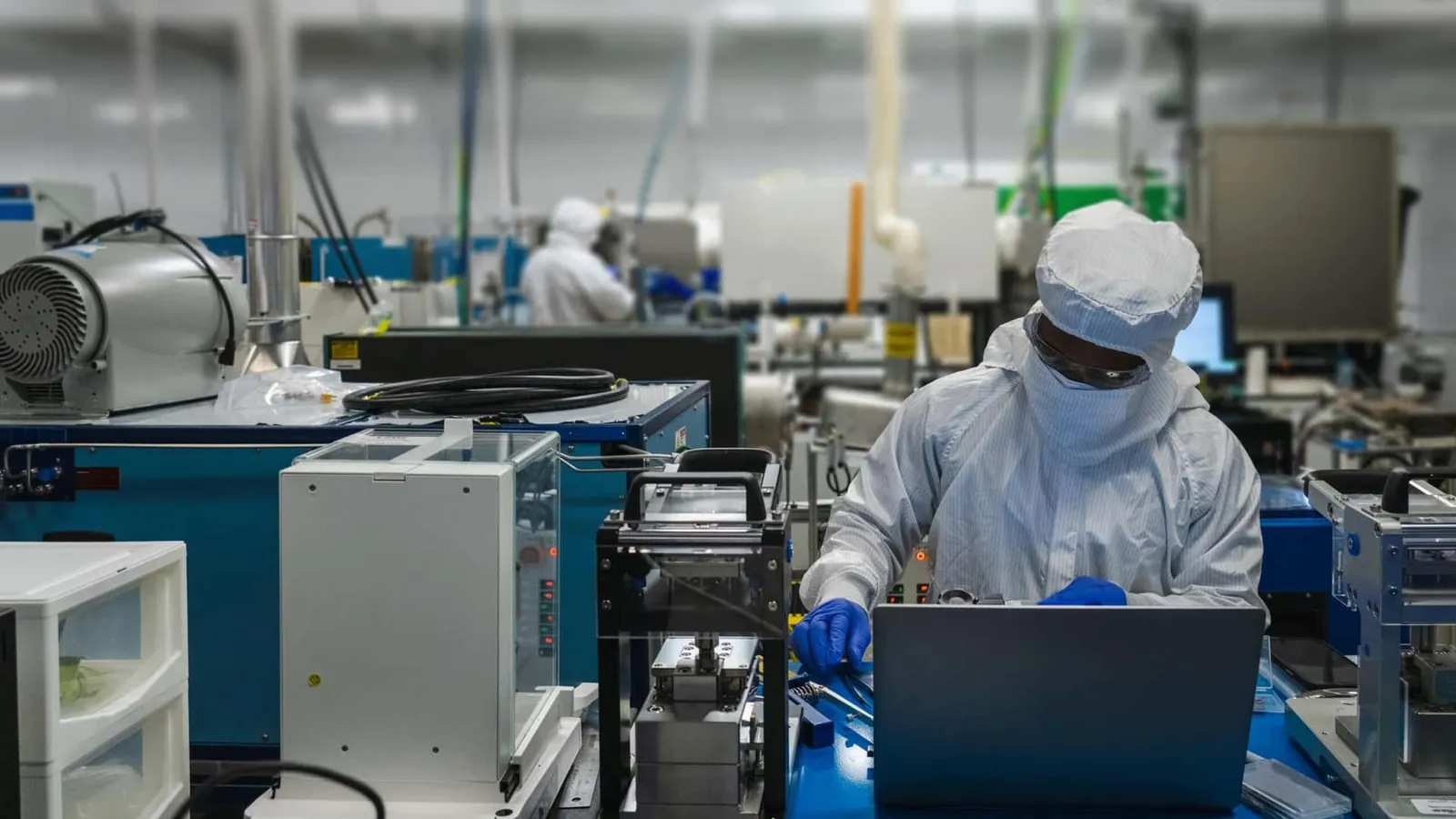
The path toward solid-state batteries continues with an interesting, though not yet crucial, milestone: QuantumScape has announced a partnership with the German Mühlbauer Group to build a new production line with an annual capacity of 100 MWh, set to begin operations in 2028.
However, the first applications will not be for electric vehicles directly, but rather for artificial intelligence data centers and the aerospace and defense sectors, which have been identified as markets to accelerate the industrialization of this technology.
From pilot line to industrial production
The project was developed based on the experience gained with the Eagle Line, the highly automated pilot line launched by QuantumScape in February 2026 in San Jose, California. This facility is already being used to produce cells for customers and, more importantly, to test whether the processes can be replicated on a larger scale.
It is here that Mühlbauer comes in, a German specialist in industrial automation and production systems. Their engineers analyzed the processes of the Eagle Line and developed design modifications to increase its productivity, with the goal of turning a technology still in the industrialization phase into a process suitable for mass production.
The new 100 MWh facility will be QuantumScape’s first plant designed for commercial-scale production. It won’t yet be a gigafactory, but it represents an intermediate step toward production capacities in the GWh range. The company has not yet disclosed where the new plant will be located, nor the total investment planned. However, engineering work on the equipment has already begun.
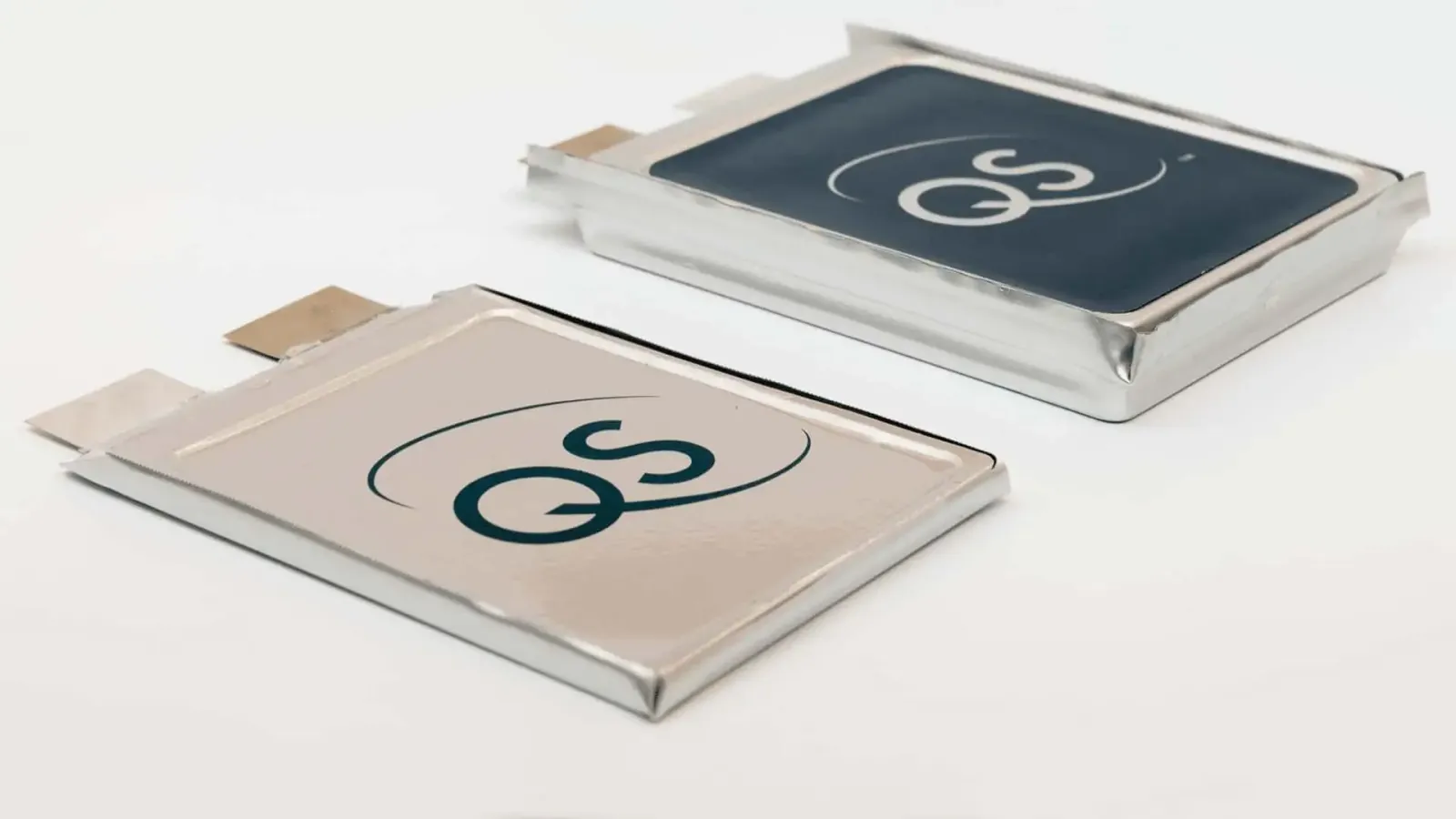
A QuantumScape battery prototype
Photo by: QuantumScape
Why data centers first
The batteries developed by QuantumScape use a metal lithium technology with a solid ceramic separator, designed to offer higher energy density, faster charging, and improved safety features compared to traditional lithium-ion cells.
These are significant advantages for electric vehicles, but they can also be particularly valuable in applications where space, weight, and reliability are crucial. This is the case for energy storage systems in data centers, which need to ensure uninterrupted power supply, or in the aerospace and defense industries, where performance may take precedence over the cost of individual cells.
These markets could also allow QuantumScape to begin commercializing the technology without having to wait for the lengthy qualification processes required by the automotive industry. For electric vehicles, however, the path remains more complex. It’s not enough to prove that a battery works—its durability, safety, reproducibility in production, and costs that are feasible for mass manufacturing must also be ensured.
QuantumScape continues to work with PowerCo, Volkswagen Group’s battery company, and it announced a partnership with Honda for 2026 as well. The new 100 MWh facility could thus represent an important step forward for the automotive industry as well, enabling the refinement of production processes that will need to be replicated on a much larger scale in the future.
The 2028 goal, therefore, will not necessarily coincide with QuantumScape batteries appearing in mass-market vehicles. Instead, it will serve as a crucial test of the ability to produce them industrially, overcoming one of the obstacles that have so far hindered the adoption of solid-state cells.
Solid State: Where Are We Now?
Gallery: QuantumScape: Meet the solid-state battery