
Is the Donut Lab battery a fake? [YouTube] But actually, not everything is lost—the company can use semi-solid-state.
![Is the Donut Lab battery a fake? [YouTube] But actually, not everything is lost—the company can use semi-solid-state.](https://api.ev-route.com/storage/news/2026-06/baterie-donut-lab-to-jednak-fa-szywka-youtube-a-1.webp)
Youtuber Ryan Hughes, who goes by the name Ziroth, analyzed Donut Lab’s communications in detail and spoke with several scientists specializing in electrochemical cells, including Li-ion batteries. He believes Donut Lab does not have batteries with a solid electrolyte and may have been misled by promises from their German partner. As a result, the company suggested to the Finnish certification organization that they use ordinary Li-ion cells instead. In our editorial opinion, not everything is lost yet—Donut Lab can still try to sell cells with a solid-liquid electrolyte, and almost everyone will be satisfied.
Did Donut Lab go overboard with its promises?
Table of contents
Did Donut Lab go overboard with its promises?
Conclusion
Summary
Let’s start with the film. It is well-researched, analytical, and detailed, yet accessible when it comes to technical aspects, making it worth watching. This short (44 minutes) presentation offers a wealth of specialized knowledge about Li-ion cells, and the detective storyline adds spice to it, boosting curiosity so that the facts are easier to grasp:
Ziroth claims that Donut Lab wanted to bring to market sodium batteries developed by CT-Coating, a German company whose founder holds a substantial portfolio of patents. The CT-Coating cells were supposed to be created using screen printing (applying electrodes in a manner similar to applying ink to paper). This method allows surfaces to be coated with various chemicals that can store energy (batteries), emit light (luminescence), generate power (photovoltaics), and so on. Its greatest advantages are high energy density, the ability to experiment with different substances, and a relatively well-developed production method. What are the drawbacks? It seems that the technology starts to fail as requirements increase.
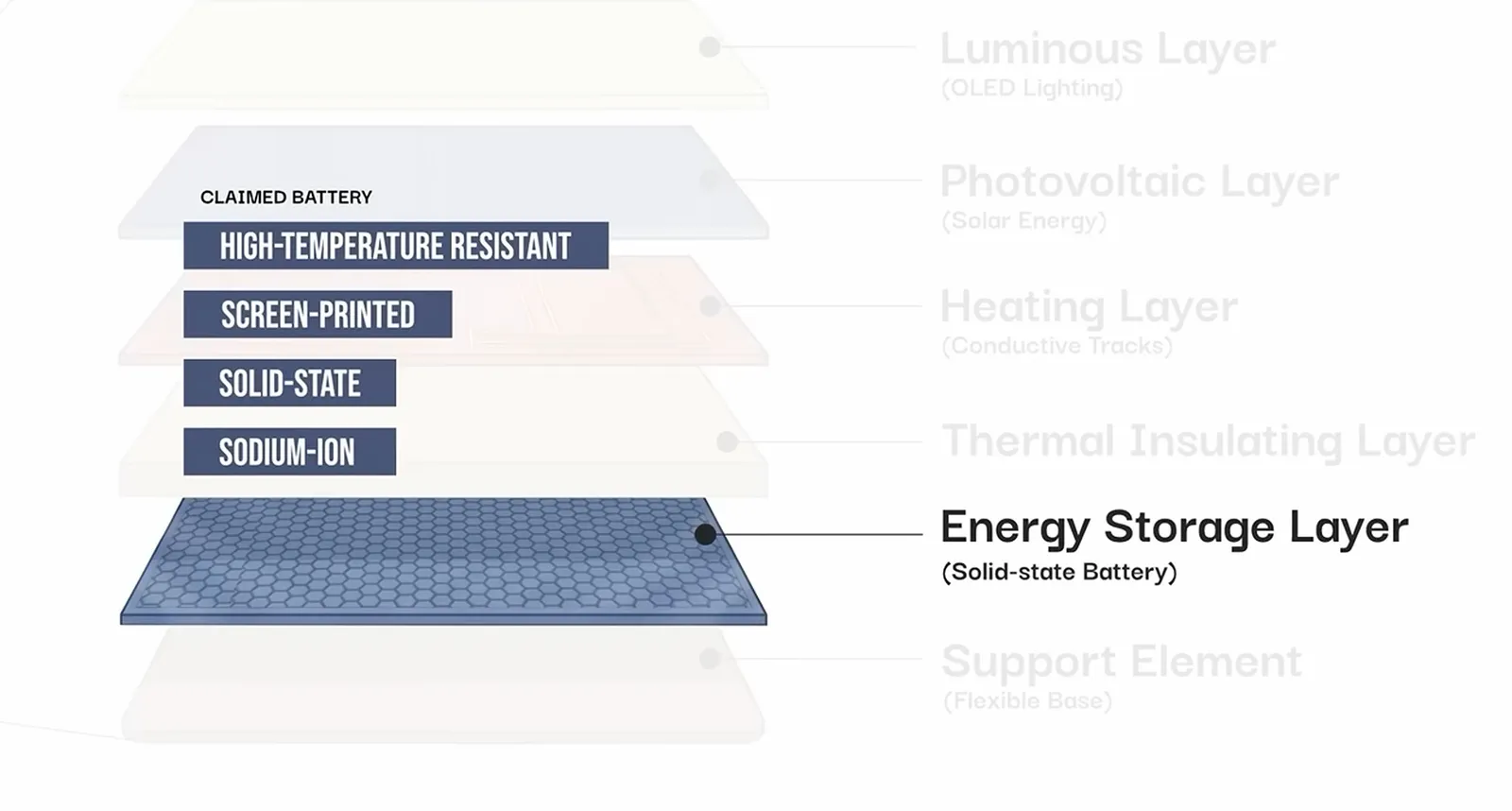
The CT-Coating cell was applied using screen printing. It should be noted that the active element in it is sodium, not lithium.
Schematic of the multi-layered CT-Coating product with an energy storage layer, a photovoltaic layer, and a luminous layer.
Ink
With printed (see: The Batteries) or screen-printed layers, there’s always the same problem: what works well with one or a few layers fails when more layers are added and commercialization becomes necessary (“it has to be fast, efficient, and cheap!”). Especially in the context of mass production. Yet real Li-ion cells consist of dozens of layers stacked together to maximize energy density. That’s why Ziroth took the risk of claiming that something was wrong with Donut Lab’s CT-Coating product, and instead supplied modern Li-ion cells to investors and customers while claiming something completely different.
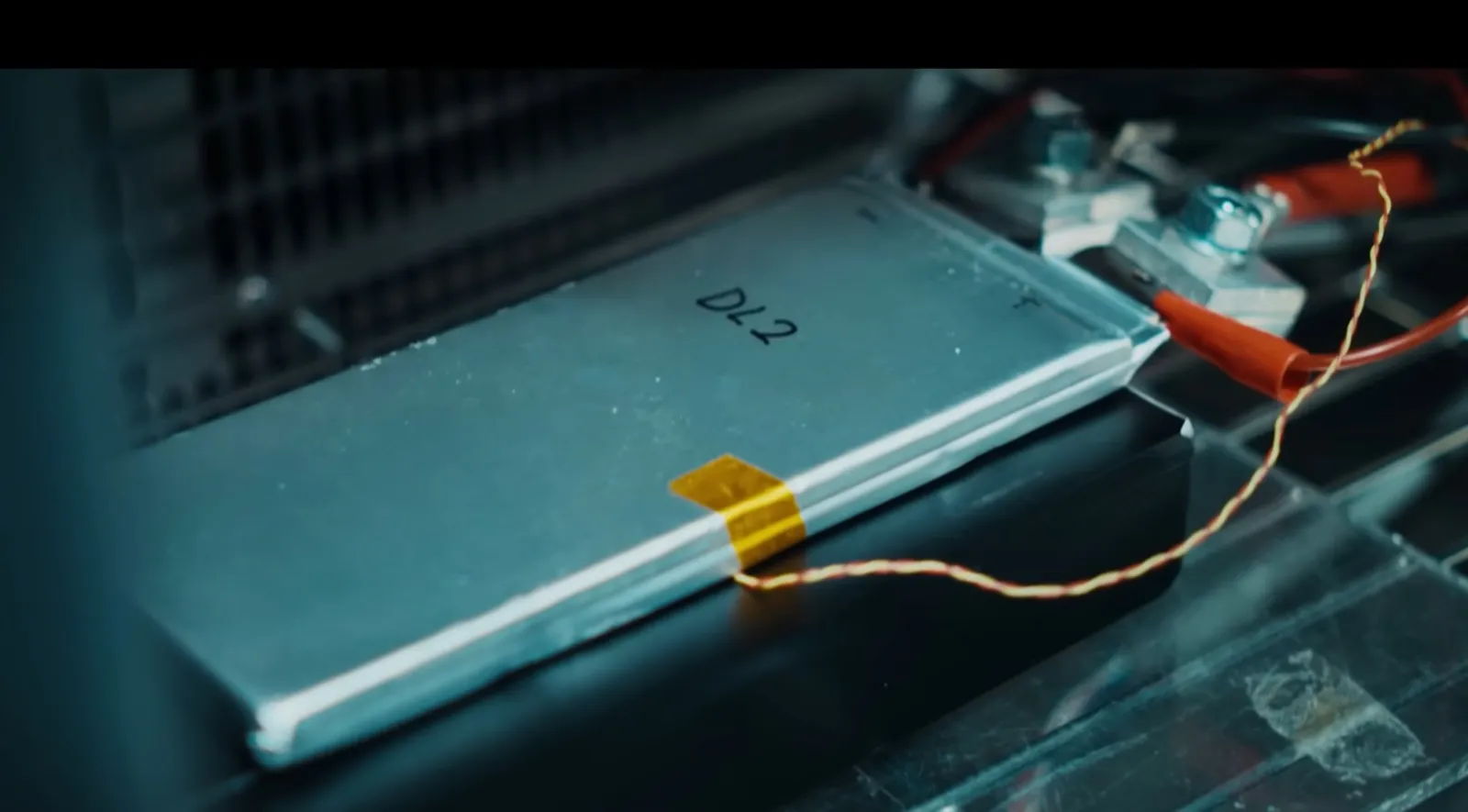
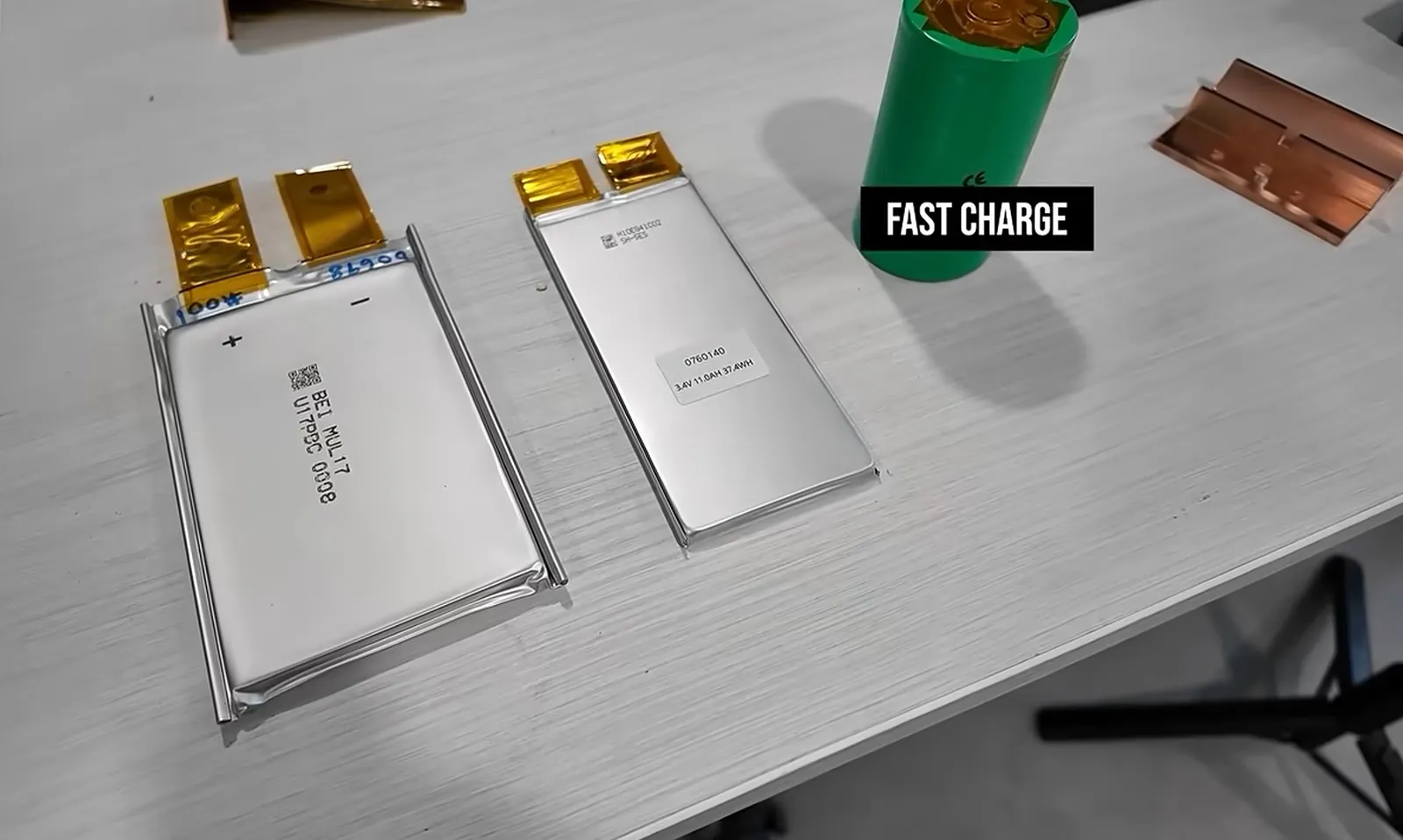
Ziroth provides examples of such cells, including the particularly impressive specifications of Amprius cells (real, existing, functional ones), but in our opinion such an extreme level of conspiracy was not necessary. It would have been sufficient for Donut Lab to request testing of different types of cells in exactly the same pouches. Since a different cell was used in each test (distinguished by the numbers on their packaging), the LFP cells, which are naturally more resistant to overheating, could have been used for temperature tests, while Li-ion (Li-NCx) cells could have been used for charging, and so on.
Conclusions
Based on the investigations cited, various parameters, discussions with experts, and calculations, Ziroth estimates that Donut Lab’s cells, purported to be lithium-free solid-state batteries, are actually advanced lithium-ion cells with a liquid electrolyte. This is indicated by their charging curve and energy density of 0.298 kWh/kg, which matches that of Li-ion batteries perfectly. In short: Donut Lab is lying and does not possess any groundbreaking technology. The YouTuber even goes so far as to claim that investors have been deceived.
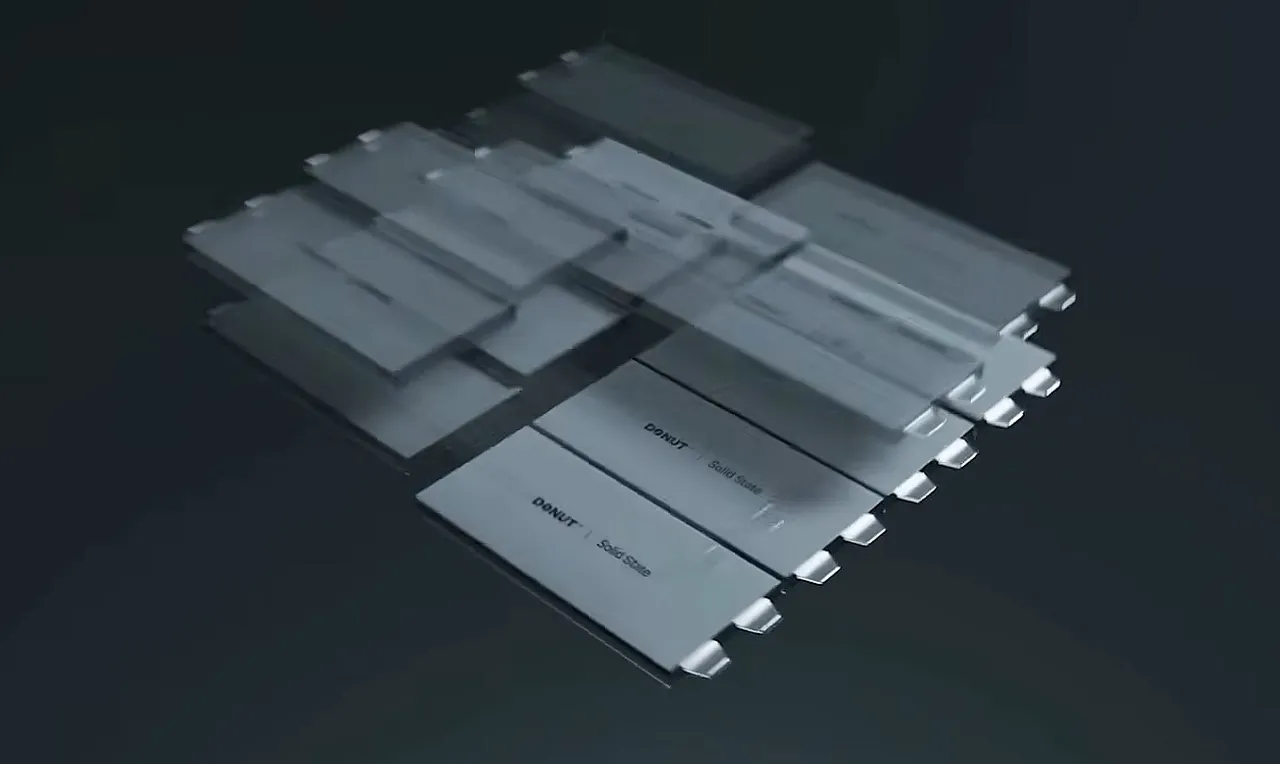
When reading Donut Lab’s statements, we have similar feelings, but we think it’s completely irrelevant. All of this [alleged?] fraud would be forgotten if Donut Lab released batteries that met even part of their promises. They don’t need a solid electrolyte or sodium instead of lithium, because few outside the industry care about that. As long as they charge fairly quickly and can store a large amount of energy, buyers will forgive the company everything else. Because the ultimate decision-makers here are electric motorcycle buyers who:
They don’t want to wait too long under chargers; they want fast charging (4C = 15 minutes is sufficient) while also having an acceptable range (33 kWh is already quite good). All of this can be provided today by WeLion’s solid-liquid electrolyte cells, which Donut Lab could sell as its own invention. Since there is no requirement in Europe for honest disclosure about liquid electrolytes yet, the Finnish company could confidently claim to use “solid-state batteries.” The charging speeds are suitable; Verge would only need to bear the cost of degradation, that is, quietly replacing packs that fail too quickly.
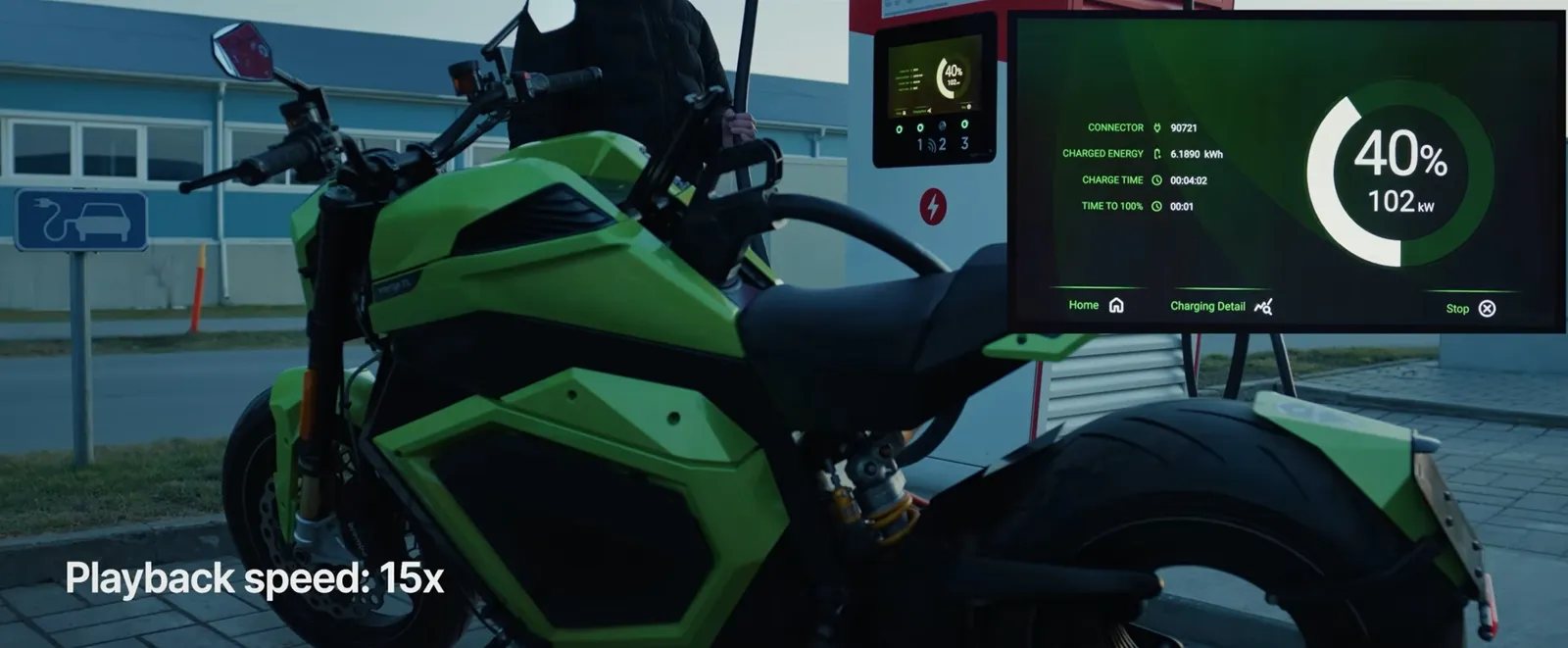
Users would likely be satisfied. It’s worse for those investing in Donut Lab and those who prioritize ethics over sales. However, the company still has an ace up its sleeve in the form of hub motors – and everything suggests they work quite well.
Article Rating
Readers’ Ratings
[Total: 3 votes Average: 5]
Don’t miss new content – CLICK and FOLLOW Elektrowoz.pl on Google News. You might also be interested in the following ads: