
Smaller batteries and a gasoline-powered generator: 'Chinese-made' hybrids are increasing demand in Europe
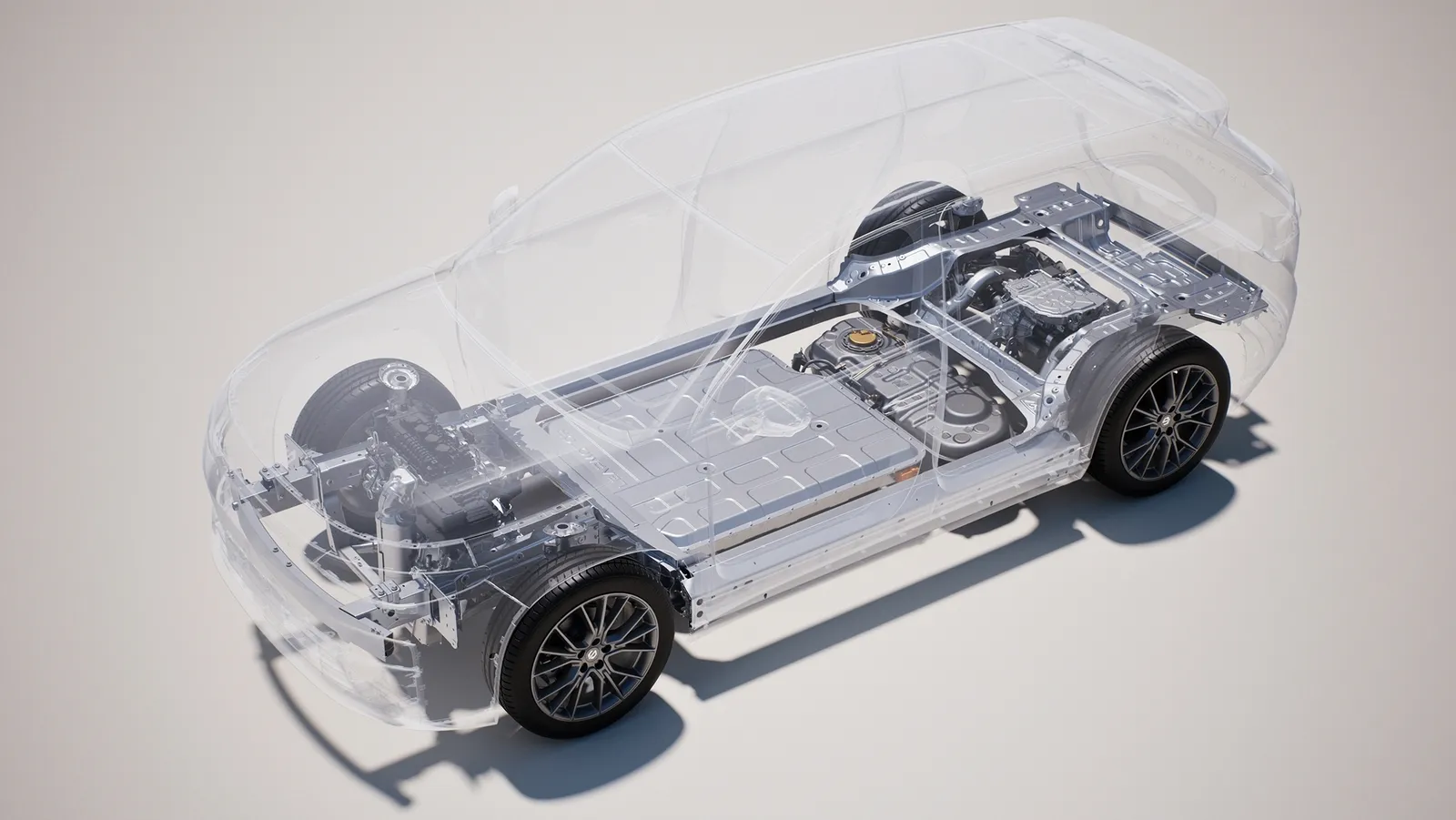
Electric vehicles with extended range are gaining prominence once again. Two giants in the auxiliary industry, ZF and Magna, say they are observing growing interest in this technology, commonly referred to as EREV or REEV. This trend is emerging amid a transition toward fully electric vehicles, which is progressing at varying speeds depending on the market, segment, and type of customer.
The difference from a conventional plug-in hybrid is significant. In an EREV, the wheels are driven by the electric motor, while the gasoline engine functions primarily as a generator to produce electricity when needed. This allows for the use of a smaller battery than in a conventional electric vehicle and reduces reliance on public charging infrastructure. Some more flexible systems also enable the use of so-called series-parallel architectures.
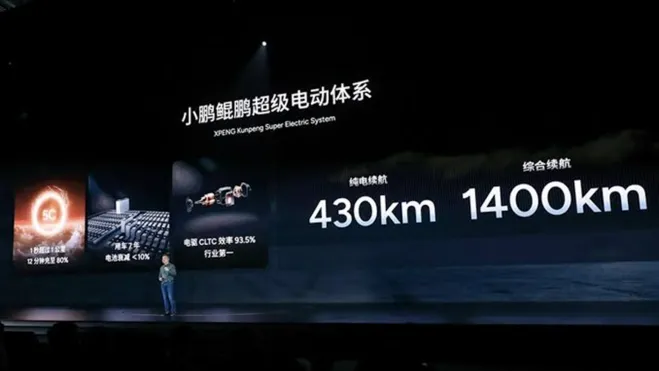
ZF believes they can fill the gap until fully electric cars are available
Otmar Scharrer, senior vice president at ZF Friedrichshafen, explains that there are significant differences between markets in areas such as charging infrastructure, energy supply security, consumer acceptance, raw material costs, and regulations themselves. Nevertheless, the executive insists that the future remains electric and that vehicles powered solely by batteries will continue to grow in popularity.
Range extenders can play a crucial role during this transition. “They help bridge the gap between customers’ current expectations and a fully electric future,” says Scharrer. Their advantages include reducing concerns about range, enabling the use of smaller and cheaper batteries, and decreasing reliance on extensive charging infrastructure.
ZF is already putting this concept into production. Its systems, named ‘eRE’ and ‘eRE+’, are designed for 400-volt and 800-volt architectures. The former can deliver between 70 and 110 kW, while the latter provides up to 70 and 150 kW, plus a clutch and differential, allowing the electric machine to function as a generator or as a secondary drive. Mass production is scheduled for 2026.
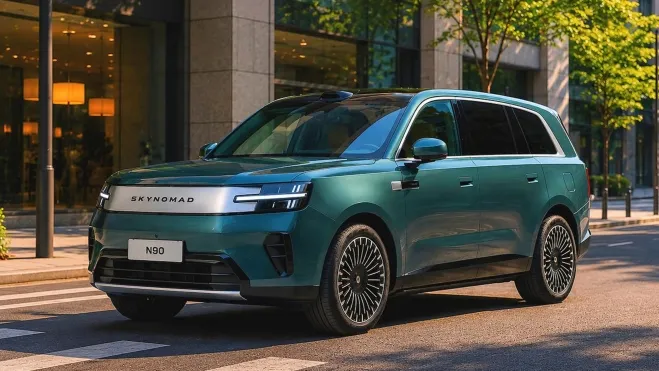
Magna also sees growing interest in Europe
Diba Ilunga, president of Magna Powertrain, shares a similar view. According to the executive in his interview with Automotive News, range extenders are gaining importance because electrification is not progressing uniformly across regions, vehicle segments, and different use cases. For major suppliers, this situation requires having sufficiently flexible technologies to coexist for longer with electric, hybrid, and EREV vehicles.
Magna has developed its ‘DHD REX’ and ‘DHD Duo’ systems for this purpose. Its modular architecture covers vehicles from the B segment to E segment models, as well as SUVs and light commercial vehicles. The company also identifies different needs depending on the continent. In China, for example, range and its specific regulations are crucial factors. In North America, long distances, towing, and inadequate infrastructure pose challenges. In Europe, it specifically highlights the difficulty many urban users face in having access to a home charger.
Magna’s forecasts indicate significant growth in the market share of range extenders by 2030, particularly in China and North America. In Europe, the company itself acknowledges growing interest in offering models with this technology and highlights its flexibility in adapting to potential regulatory changes after 2035.
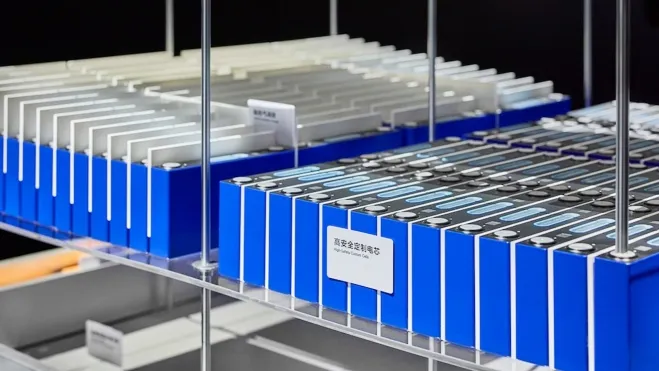
Smaller Batteries and Less Dependence on Chargers
There is also an economic argument for manufacturers. ZF states that extenders can result in lower additional costs and shorter development times compared to certain parallel hybrid solutions, while also reducing platform complexity and simplifying the supply chain. Most importantly, they allow utilization of platforms originally designed for all-electric vehicles without necessarily relying on batteries with extremely high capacity.
China holds an advantage in this technology and already has numerous EREVs capable of achieving over 700 kilometers of combined range. But ZF has long observed increased interest from manufacturers in Europe and the United States as well. “The market for fully electric vehicles has not developed as predicted a few years ago,” Scharrer himself admitted when introducing his new generation of range extenders. “For this intermediate phase, range extenders can be the ideal solution.”
This doesn’t mean that ZF or Magna are questioning the ultimate outcome of the transition. Their argument is more pragmatic: as battery costs, charging infrastructure, and acceptance of electric cars continue to progress unevenly, they expect there to be room for a technology that retains electric driving while keeping a combustion engine as an energy backup. And these two giants in the auxiliary industry are preparing for this intermediate phase to last longer than initially anticipated.