
Burning batteries? Stellantis considers discarding them so its electric cars can stay away
03/10/2026 13:30
Updated to
03/10/2026 13:30
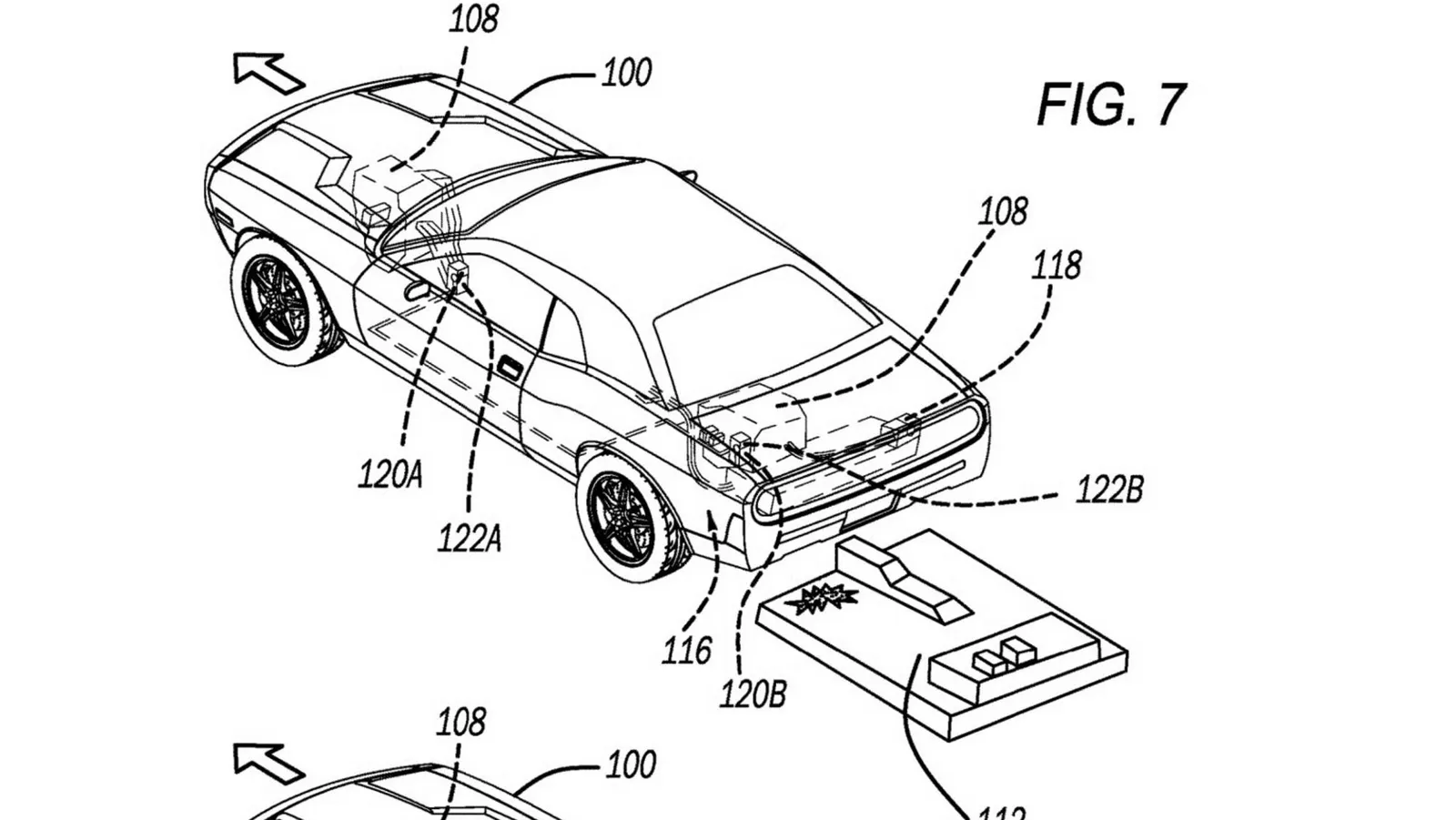
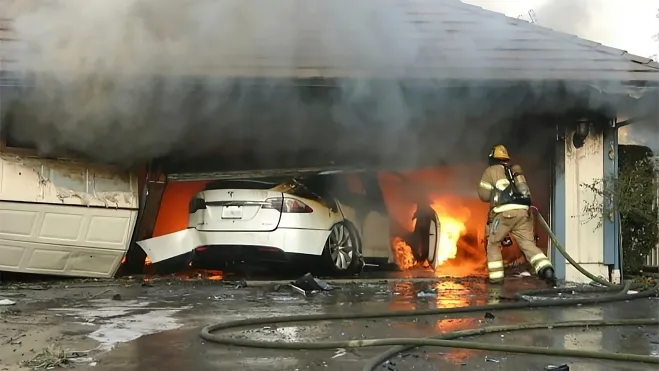
When a battery experiences extreme overheating or catches fire, it becomes a serious problem. To address this, some manufacturers are concluding that it is better to disconnect it from the vehicle outright. Stellantis was the latest to file a patent in the United States for a rapid-release system that can disconnect the vehicle’s high-voltage battery and allow the car to move a few meters away from this potentially dangerous component.
As with any patent, the proposal does not necessarily mean the technology will make it to production vehicles, though the possibility always exists. It also shows how much manufacturers are exploring new ways to address one of the most complex challenges in electric mobility: battery thermal runaway.
Releasing the battery and separating from it
The application, published on September 17, 2026, under the number US 20260274078 and filed by FCA US LLC, describes a system for mechanically and electrically releasing the battery. The documentation states that when a disconnection command is received, the system electrically cuts off the high-voltage battery and simultaneously physically disconnects it from the vehicle.
Once the main battery is disconnected, the system can use the low-voltage battery to temporarily power the electric motor. The goal is not to continue driving normally, but simply to allow the vehicle to travel a limited distance and move away from where the high-voltage battery remains, which is likely on fire under such circumstances.
To physically release the package, Stellantis proposes various solutions. One of them uses a mechanical structure made up of components that move relative to each other to free the battery. Another relies on pyrotechnic fasteners capable of breaking under controlled ignition. Thus, the company does not simply aim to “pull” the battery out of the car, but rather to disconnect it from the vehicle so it remains where the car is located, with the car then being moved away.
China has already shown an even more radical solution
The difference is significant because a similar system was proposed from China a year ago, but it was much more dangerous. In that system, a prototype could physically eject the battery from the car, throwing it several meters away from the vehicle. The experimental system used thermal sensors and was designed to release the battery in less than a second, at an ejection distance of between three and six meters. The prototype was demonstrated in a controlled environment, with the battery landing in a designated testing area where several operators would then intervene.
It was somewhat impressive, but the proposal immediately raised doubts about its viability outside of a demonstration setting. Discharging a battery that can weigh hundreds of kilograms poses an obvious problem if the vehicle is on a road with other cars, pedestrians, or obstacles around. It also doesn’t seem very safe to throw a burning battery pack anywhere, and moreover, a severe accident could deform the vehicle’s structure and prevent the mechanism from functioning.
The fundamental difference from Stellantis’ approach lies precisely in this: while that Chinese demonstration aimed to launch the battery away from the vehicle, the U.S. patent proposes releasing it and moving the car away instead. This is an important distinction, as it reduces the problem of turning the battery pack itself into a projectile, although there would still be a battery with some kind of issue lying on the road.
