
US airbase banned for BYDs: data security at stake
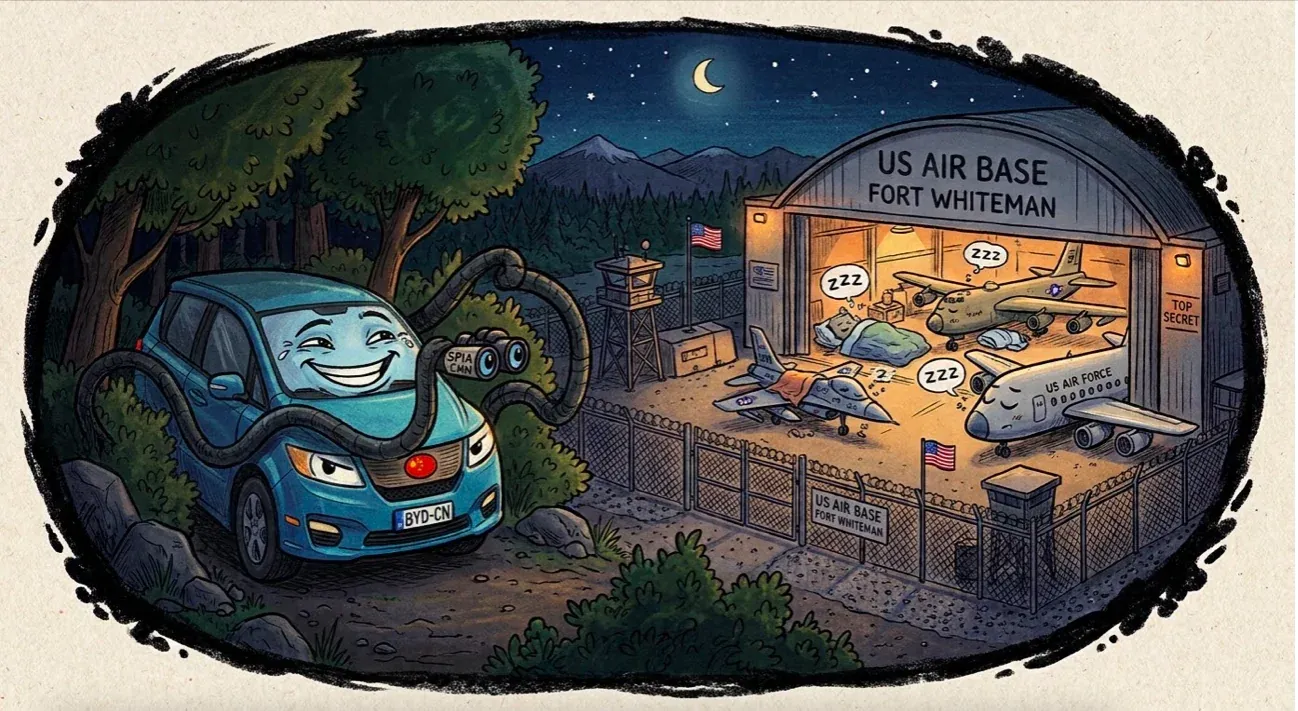
A U.S. air base has banned BYD vehicles: it is Kadena, located on the Japanese island of Okinawa. The reason is concerns over the safety of personnel and military operations. This measure follows the discovery in Norway of recordings made by Chinese cars during a drill.
According to Reuters, the restriction—already in effect—applies to all BYD vehicles. This includes those used by military personnel, external contractors, taxis, and delivery services. Kadena is a major U.S. air base in Okinawa, one of the key strongholds for U.S. forces in the Indo-Pacific region. It is also a symbolic site from World War II.

The previous case: cars spying on a drill in Norway
Although the technical details behind this decision have not been made public, it seems to fit within a broader trend of increased U.S. concern over potential risks associated with Chinese-origin technologies.
The Kadena incident occurred just a few days after a similar situation in Norway that raised comparable questions. During a military exercise near Oslo Airport, soldiers discovered videos recorded and stored in the onboard systems of rental cars.
According to reconstructions, the recordings showed the movements of the soldiers, people getting in and out of the vehicles, and the routes they took. Some of the videos also displayed codes entered to access gates and doors of military facilities.
At least two of the vehicles involved were Deepal models, a brand from the Chinese Changan group. The soldiers located the videos in the vehicles’ systems and deleted them. However, it was not possible to determine whether the recordings remained solely in the vehicles’ memory or were transferred elsewhere.
U.S. Air Base in Okinawa: “Risks to National Security”
It’s simple to explain how cars manage to record things. Modern vehicles, especially electric ones, are equipped with cameras, sensors, navigation systems, and digital connections. These devices collect information about the surrounding environment and vehicle usage. While these functions are essential for driving assistance and certain safety systems, they can become a vulnerability when used in sensitive locations.
After what happened in Oslo, the military authorities at Kadena reportedly took precautions. They removed BYD cars from the air base, describing their presence there as “an unacceptable and unmitigable risk to personnel and missions.”
However, some say there is more to this drastic decision than meets the eye. Last June, in fact, the Pentagon added BYD, along with other Chinese companies, to a list of firms deemed connected to supporting Beijing’s military forces.
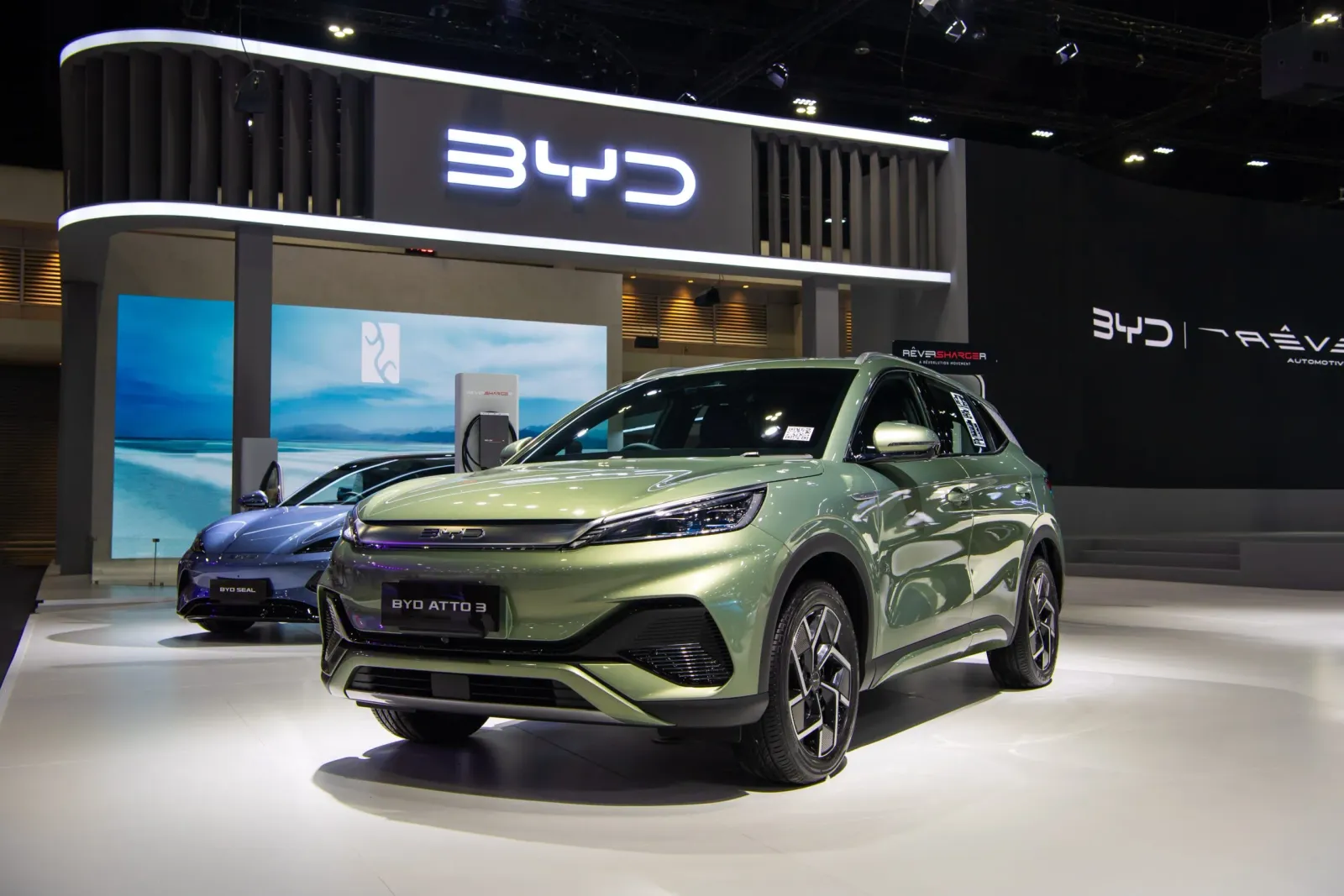
Smart and connected cars: managing sensitive data
In general, the issue of digital system security related to the increasing number of intelligent and connected vehicles remains crucial. This doesn’t apply only to BYD or Chinese electric cars specifically. Modern European, American, and Korean models also come equipped with cameras, microphones, and geolocation systems. The real challenge lies in how to regulate data management and ensure the security of information stored in these vehicles.
In Norway, following the incident, military authorities did not opt for a general ban on Chinese cars. Instead, they favored measures tailored to the sensitivity of the installations, which may include restrictions potentially applicable to all vehicles equipped with sensors.
READ ALSO: “BYD orders another 10 ships to export over 130,000 vehicles” / VIDEO:
Previous Article
How long does an electric car last? Angelo sold his 2011 i-MiEV after 15 years and 149,000 kilometers
Next Article
No thanks to hydrogen refueling stations: some are giving up on millions from PNRR