
BAFA statistics: Over 50,000 German households are driving newly subsidized electric cars
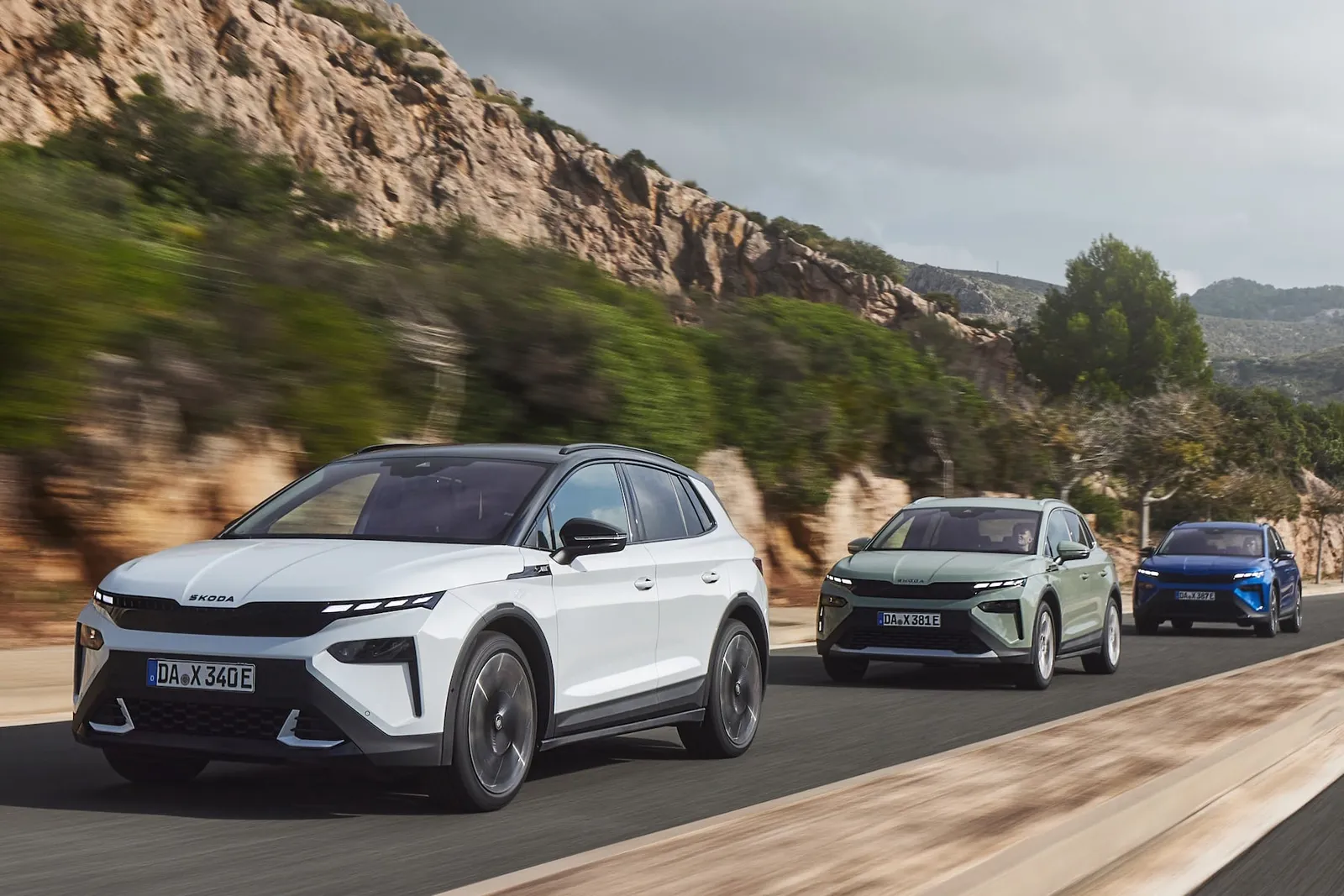
The BAFA releases a new interim report on electric vehicle subsidies as of September 1. To date, the agency has approved nearly 52,500 applications—about 25,600 of them in the previous month. Tesla remains by far the most popular individual brand, followed by Skoda and Cupra.
The BAFA is improving transparency by publishing monthly statistics on electric vehicle subsidies, including details on applicants and the models supported. These figures show that the subsidies primarily benefit households with relatively low incomes. The first such report was released about a month ago, as of August 1, 2026. This is now the second update, covering the period up to September 1.
The new BAFA report shows, among other things, the number of grants awarded and the amount of funding disbursed. It also includes breakdowns by type of propulsion and financing, income level and households with children, as well as by manufacturers, brands, and models. With this statistics, BAFA aims to provide clarity following rumors a few weeks ago that German subsidies primarily benefited Chinese brands.
The statistics include information on applications that have already been approved. As of September 1, there were exactly 52,473 such applications — up from 26,875 a month earlier. This means the number of approvals nearly doubled during August. This is good news for reducing the backlog of applications, as processing speeds are increasing. At the beginning of August, BAFA already reported reaching 100,000 submitted subsidy applications. Therefore, BAFA will have a lot of work to do processing applications for some time to come.
According to BAFA, as of September 1, 230 million euros were disbursed to applicants who received approved funding — also a doubling compared to the 117 million euros as of August 1, 2026. In terms of vehicle types, 91.4 percent of the applications were for pure electric cars, while only 8.6 percent were for plug-in hybrids. Applications were split almost evenly between purchase and leasing options. This shows a certain consistency in the approved applications, with minimal changes from the status as of August 1.
The typical applicant is also outlined by BAFA statistics: roughly half of all previously approved applications fall into the lowest income category (annual taxable household income up to 45,000 euros). This is because the subsidies are tiered based on income as well as the number of minor children in the household. The next two income categories together account for another roughly 24,000 applications. The top two categories have even fewer than 2,000 applications each. In other words, the support indeed reaches those who need it most: people with relatively low to moderate incomes who might not be able to afford a new electric car without subsidies.
Interestingly, the vast majority of applicants did not specify having minor children: alone, 34,500 applications came from “households without children eligible for subsidies,” according to BAFA. This also makes it clear that many recipients do not receive the full subsidy amount of 6,000 euros. The amount of subsidies disbursed so far relative to the approved applications confirms this: on average, 4,380 euros per household, a slight increase from the previous month’s figure of 4,350 euros.
Let’s take a look at the brands and models that are particularly popular among those who have successfully applied so far. Below is a breakdown of the approvals by brand (Top 10):
Ranking
Company/Group
Number
1.
Tesla
8,141
2.
Skoda
4,522
3.
Cupra
3,155
4.
VW
3,062
5.
Hyundai
2,982
6.
Stellantis / Leapmotor (Joint
Venture)
2,936
7.
BYD
2,831
8.
Kia
2,722
9.
Renault
2,655
10.
BMW
2,266
The ranking shows that subsidies are now distributed more evenly. Although Tesla leads the way, six brands follow in the top 4 with subsidy amounts in the 2,000s. By the 15th position, brands receive subsidy amounts in the four-digit range. Overall, the gap has narrowed slightly compared to last month’s statistics. The ranking for the top 10 subsidized models is as follows:Position
Model
Number
1.
Tesla Model Y
5,407
2.
Skoda Elroq
3.174
3.
Tesla Model 3
2.716
4.
Hyundai Ioniq
2.063
5.
VW ID.3
1.972
6.
Leapmotor T03
1.700
7.
BMW iX1
1.313
8.
Fiat 500e
1.268
9.
Citroen e-C3
1.211
10.
Cupra Born
1.191
Notably, it isn’t a BYD electric vehicle from China that makes it into the top 10, but rather the Leapmotor T03, an electric compact car sold in Europe through Stellantis’ joint venture with Leapmotor. Overall, Leapmotor performs exceptionally well in terms of incentives. However, Tesla, Skoda, and VW’s flagship models remain unchallenged. Premium vehicles are relatively rare in the upper part of the rankings, but they are not excluded from incentives either (there is no strict price limit, only an income threshold). As a result, some electric Porsche models also appear in the BAFA statistics.
In principle, the direction of these subsidies could change again soon. The factions of the governing parties CSU/CSU and SPD advocated at their latest closed-door meeting that electric vehicle subsidies be supplemented with “Made in EU” criteria. However, the government does not intend to implement this change on its own, but only once it has “developed EU-compliant and as harmonized across the EU as possible local-content criteria and viable EU preferential rules.” In other words, in step with the EU.
bafa.de via zeit.de