
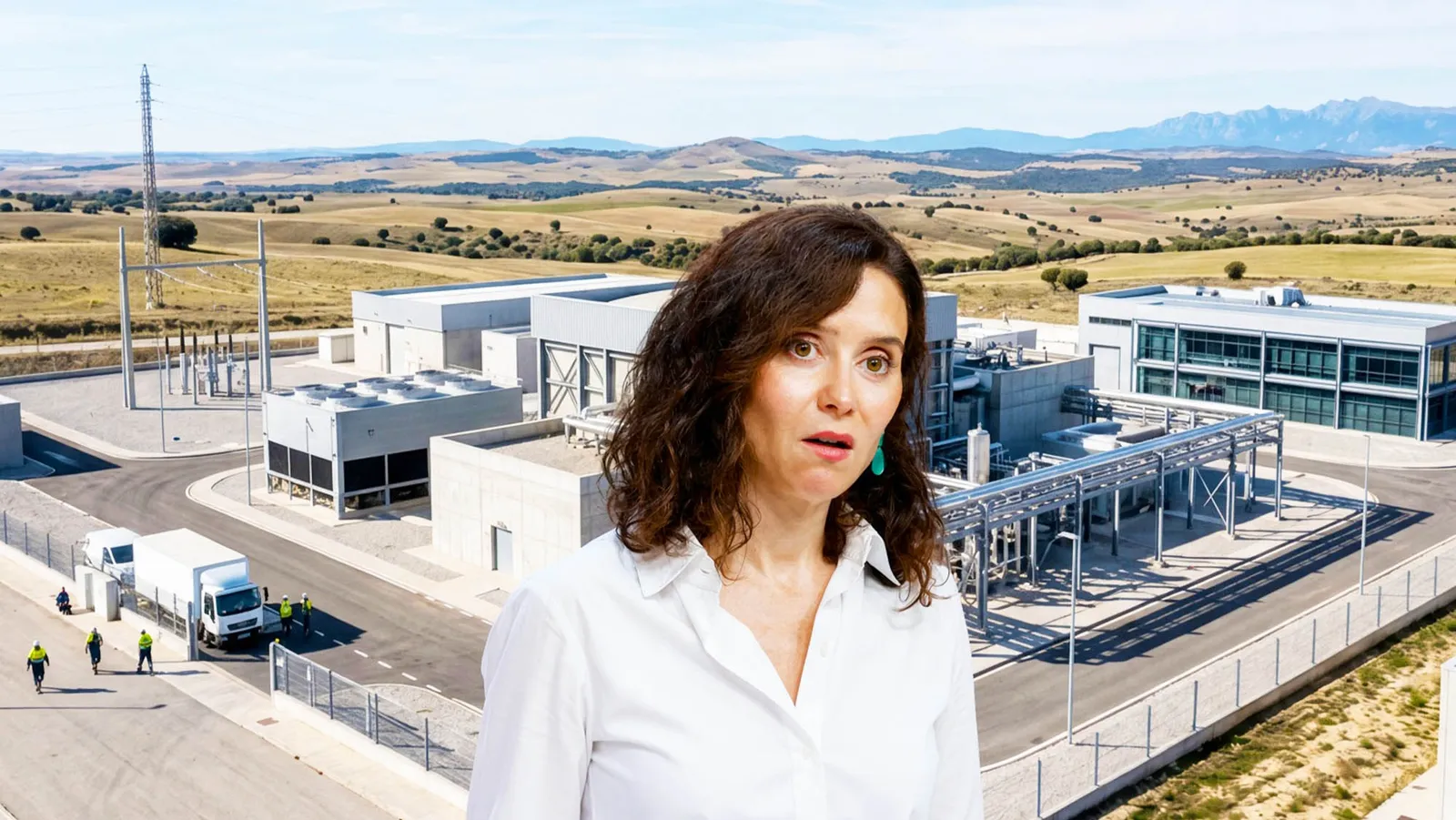
Ayuso wants to prevent another power outage in Madrid by relying on the nuclear energy from modular SMR reactors.
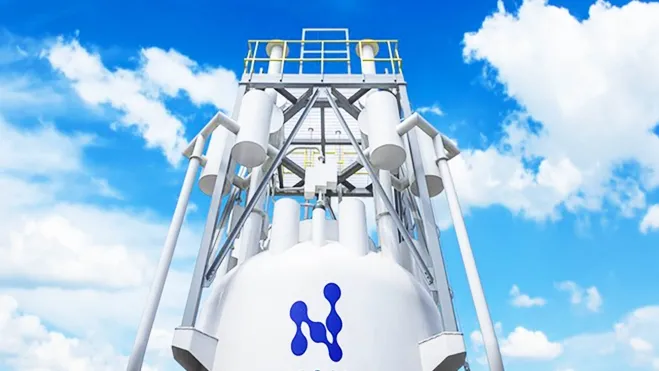
Small modular reactors (SMR) are nuclear facilities designed to generate electricity on a smaller scale than conventional power plants.
Their capacity is usually below 300 megawatts electric (MWe) per unit, compared to over 1,000 MWe that large commercial reactors can achieve.
Ayuso’s plan: it’s better to conduct research first before investing in construction
Its operation, like that of any fission nuclear power plant, relies on releasing energy by splitting atomic nuclei, primarily those of uranium. The heat generated produces steam that drives a turbine connected to an electric generator. The main difference lies in the design: SMRs aim to manufacture most of their components in industrial facilities and transport them later to the final location.
This modular construction would allow for standardizing processes, reducing on-site work, and adjusting the installed capacity to meet each consumer’s needs. Some designs also consider using residual heat to produce hydrogen or supply thermal energy for industrial processes.
The Community of Madrid announced in September 2025 a strategy to expand research on nuclear energy. This initiative involves the departments of Education, Science and Universities, as well as Environment, Agriculture and Interior, with participation from the Madrilenian Institute for Advanced Studies (IMDEA Energía).
The planned actions include new research areas, participation in European initiatives related to modular reactors, and the recruitment of specialized scientists. The goal is to develop knowledge and explore the possibilities of this technology amid rising electricity demand.
The power outage in April 2025 intensified the debate over supply security, though it does not by itself prove that Madrid needs to build a nuclear power plant. For now, the regional strategy is one of research: it does not equate to approval for installing reactors nor to a construction project with defined location, budget, and timeline.
Less space and passive safety systems
They can also reduce the number of components that need to be assembled on site and facilitate gradual capacity expansion. However, the advantages vary by model: not all modular reactors use the same technology, fuel, or cooling systems.
The British project by Rolls-Royce, for example, features pressurized water reactors with a capacity of about 470 MWe per unit, exceeding the typical 300 MWe limit used to define SMRs. Its development reflects European interest in this technology, but its projected timelines and costs cannot be automatically applied to other facilities.
Costs, waste, and doubts about their viability
The main concerns regarding SMRs are economic and environmental. Mass production could reduce construction costs, but this would require deploying sufficient units and maintaining a stable industrial chain. In contrast, the first facilities may have to bear high costs for design, licensing, and manufacturing.
It has also not been proven that a modular reactor can be operational within 500 days under any circumstances. Such a timeline depends on the design being approved, components being available, and the site being prepared. Nuclear licensing procedures, infrastructure construction, and commissioning tests can significantly extend the schedule.
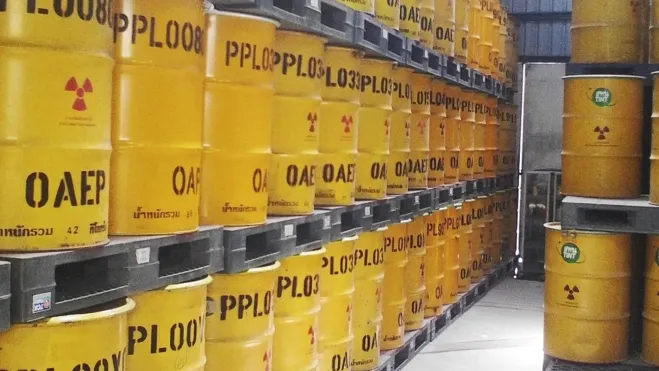
The management of radioactive waste represents another challenge. SMRs do not eliminate spent fuel nor the need to store and handle it safely. Additionally, the quantity and characteristics of the waste vary depending on the reactor design and fuel used.
In Madrid, any proposal to install such facilities would also need to address issues related to water usage, land planning, environmental protection, and social acceptance. The authorization for a nuclear power plant falls under the jurisdiction of the state, not solely the regional government.
The major tech companies behind a system yet to be proven
The interest from major tech companies such as Google and Amazon reflects the need for continuous power supply to data centers and other high-energy-consuming facilities. Google has announced deals related to the development of advanced reactors, while various corporate projects are exploring the use of nuclear energy to meet demands that variable energy sources cannot always satisfy on their own.
However, the commercial deployment of SMRs is still in its early stages. Madrid’s initiative opens up avenues for research and participation in Europe’s energy debate, but it does not yet answer fundamental questions: how much it would cost to generate electricity, when it could become available, and what the impact of a specific facility would be.