
With its concept car Vision GT, Xiaomi shines as a star at IFA in Berlin
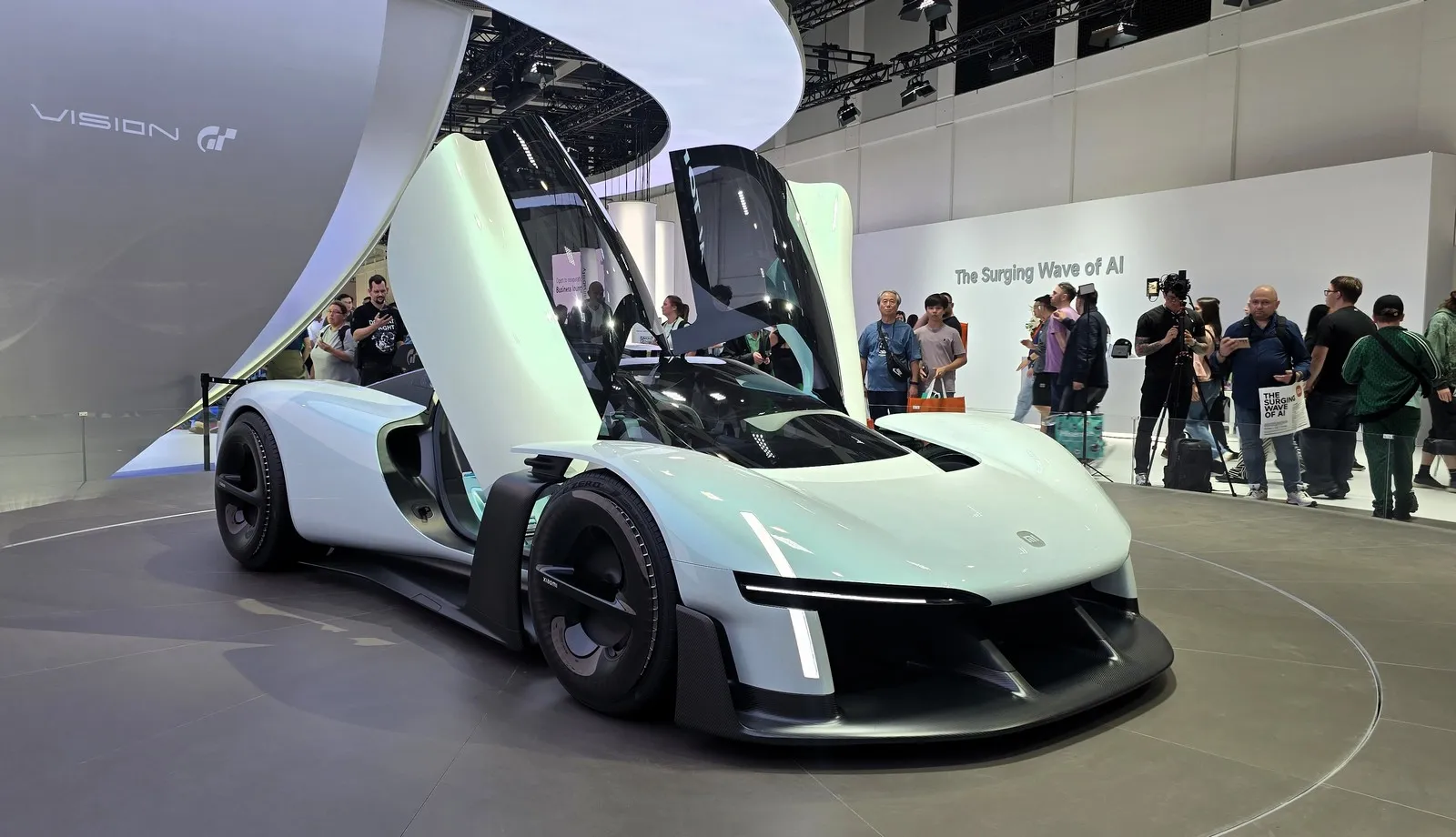
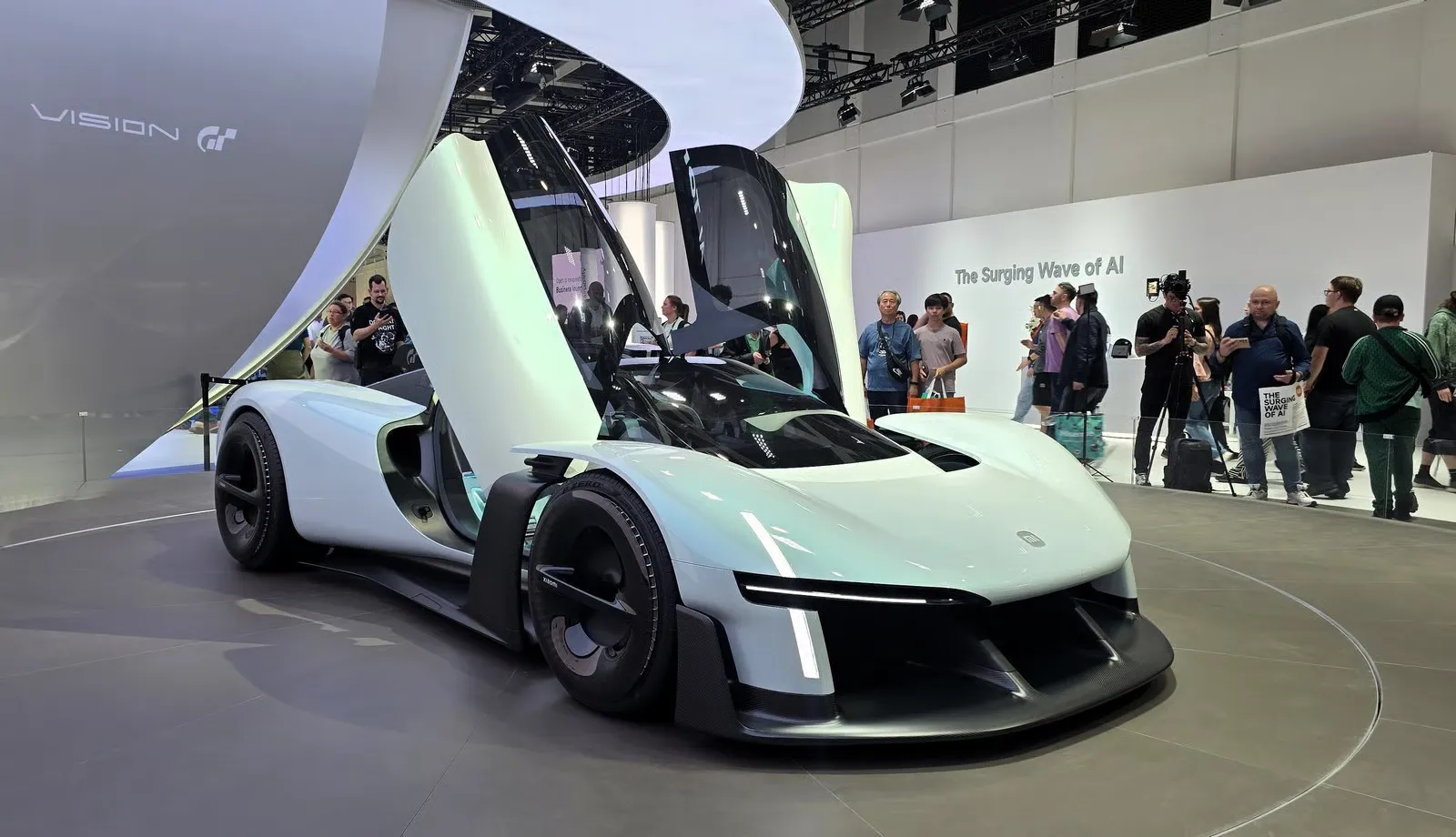
Xiaomi made a strong presence at the Berlin electronics trade show for the first time, showcasing its virtual hypercar, Vision Gran Turismo. This spectacular technological display somewhat overshadowed the main event: the signing of agreements with its first eight distribution partners in Germany on September 3.
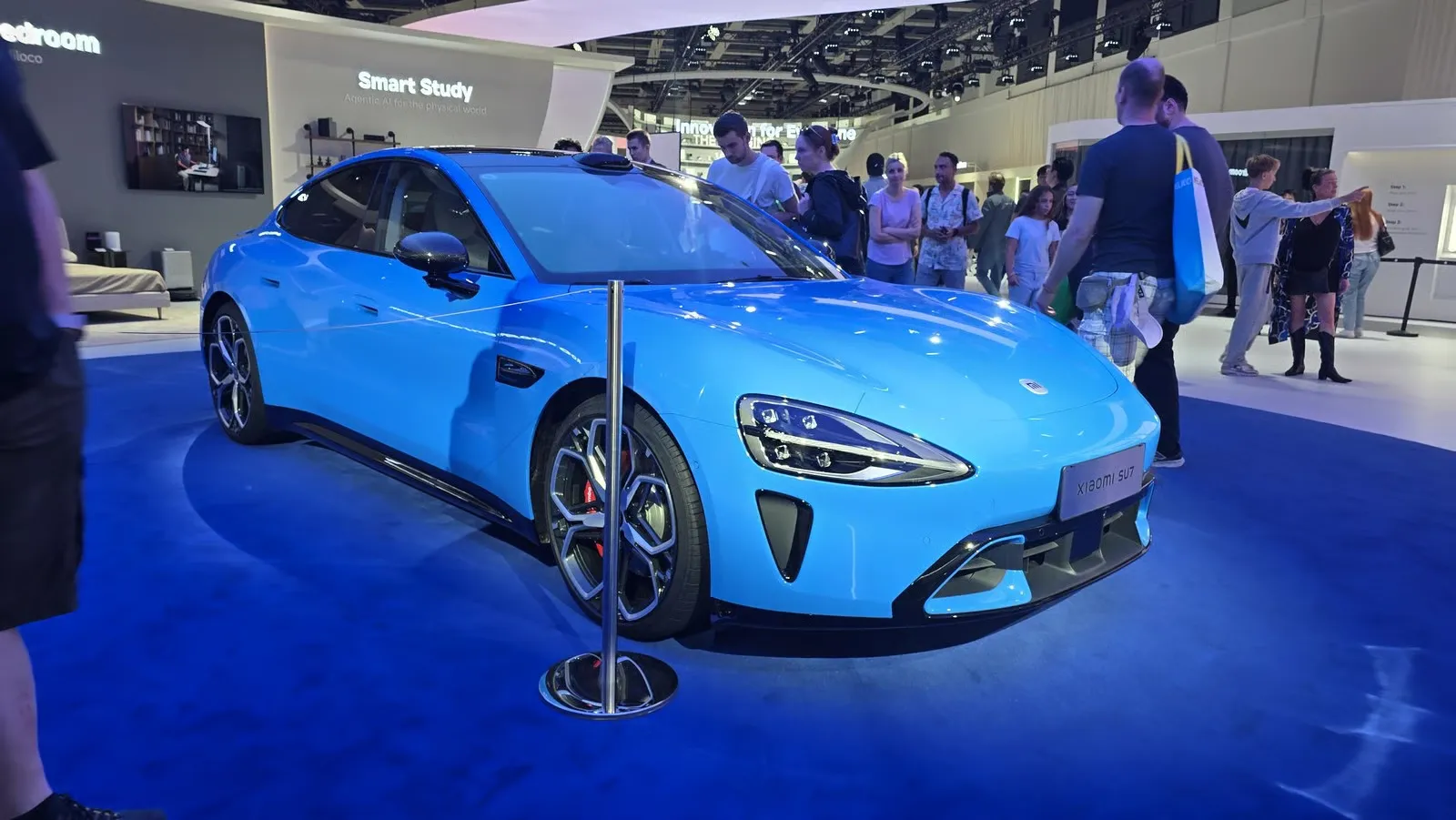
There are cars that are sold and those that are displayed. At IFA Berlin, held from September 4 to 8, Xiaomi chose to combine the two by presenting its Vision Gran Turismo concept car alongside the Xiaomi SU7, an impressive electric hypercar with butterfly doors.
A 1,900-horsepower hypercar that will only be driven… virtually
We’ll be clear right away: the Vision GT is not a production model, and it never will be. It’s a stylistic exercise created as part of the Vision Gran Turismo program. Launched in 2013 by Polyphony Digital, this initiative encourages car manufacturers to envision a vehicle free from all industrial or regulatory constraints. The result then makes its way into the virtual garage of Gran Turismo 7 on PlayStation.
On paper, its specifications are astonishing: a carbon fiber monocoque, a 900-volt architecture, an advertised power output of up to 1,900 horsepower, carbon-ceramic brakes, and advanced aerodynamic design claiming a drag coefficient of 0.29.
Xiaomi is the 36th brand to join the program, and the first of Chinese origin, alongside Mercedes-Benz, Porsche, Ferrari, and BMW. For a brand that delivered its first car only in March 2024, being admitted to this exclusive club brings significant legitimacy.
Barcelona, Beijing, Berlin: The tour of a concept car
The Xiaomi Vision GT is not new to public view. Unveiled on February 28 in Barcelona as part of the Mobile World Congress, it made its Chinese debut at the Beijing auto show in late April, and now it is on display at IFA in Berlin.
Behind the showcase, eight German distribution groups sign deals with Xiaomi
The introduction of this concept comes at a time when Xiaomi has provided further details on the launch of its electric vehicles in Europe. On the sidelines of the exhibition, the company signed agreement protocols with eight German automotive distribution groups: Emil Frey Germany, Ernst Dello, Autohaus Dinnebier, Fett & Wirtz, Hahn Automobile, LUEG Mobility, Penske-Jacobs Innovation, and SPT Avior.
This is a clear display of strength. Moreover, these are not young startups from the tech sector but established companies in the German market with experience in selling premium brands. In other words, Xiaomi does not intend to follow Tesla’s 100% direct sales model. It will rely on the traditional network, including dealerships and after-sales services.
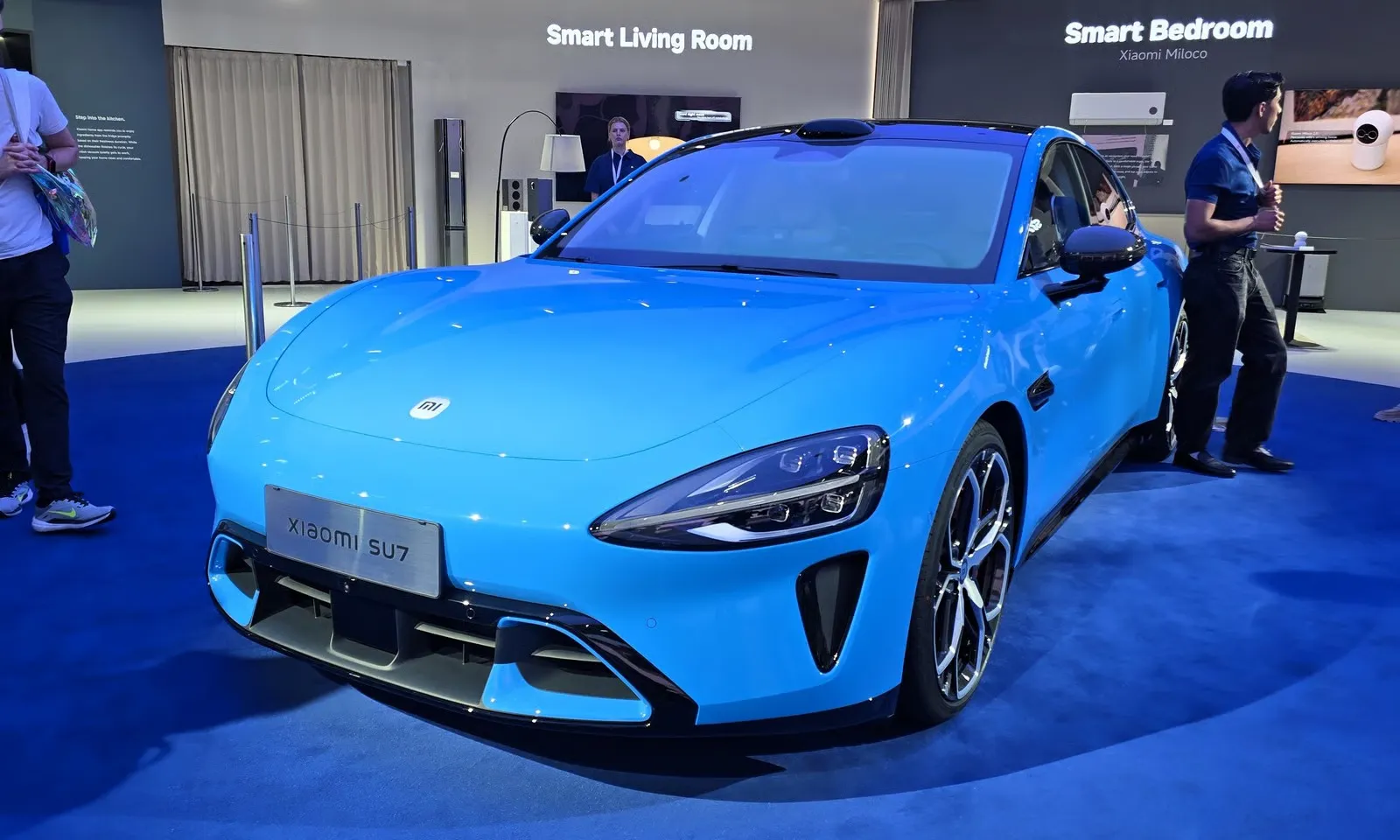
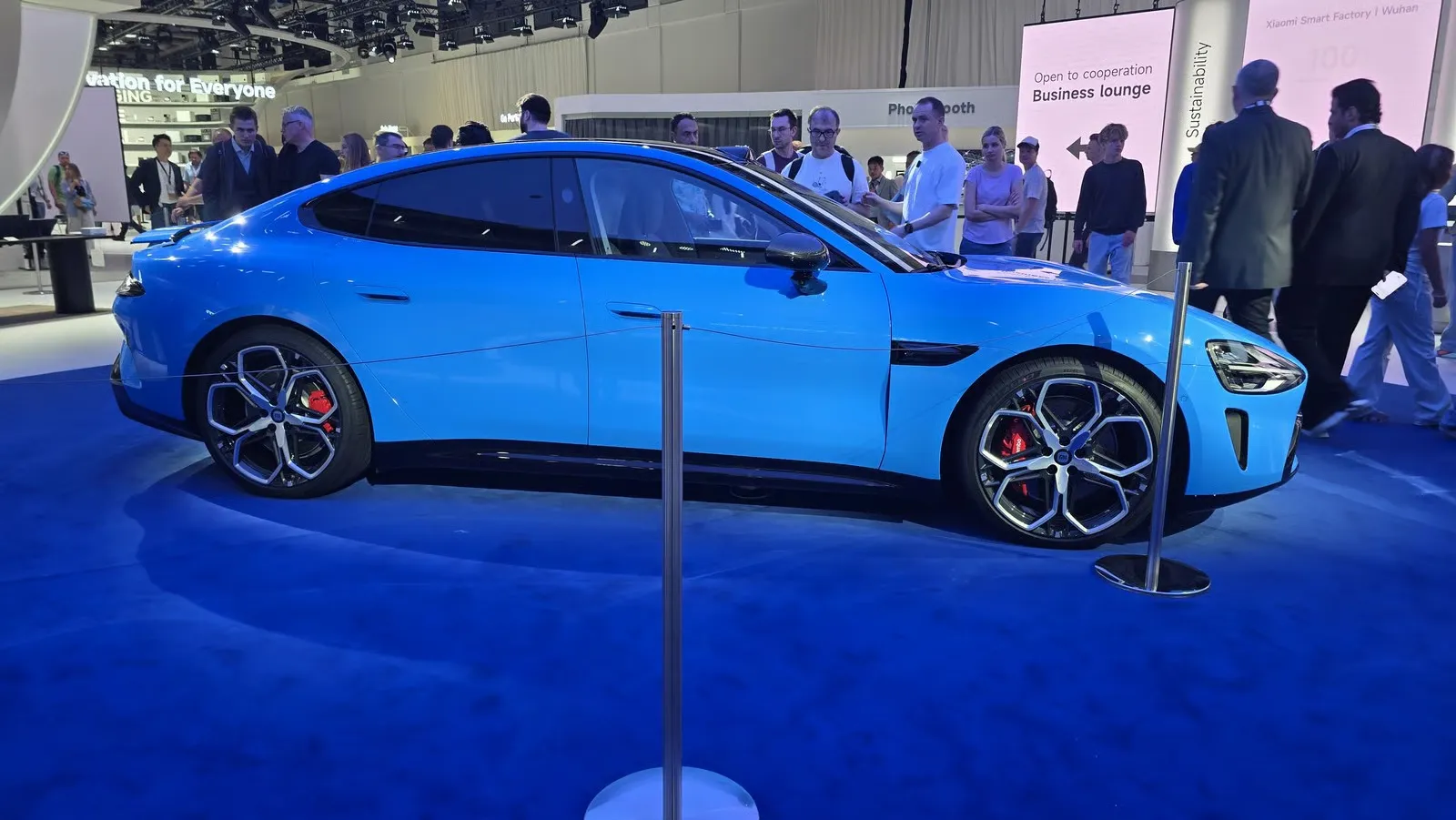
An important clarification: these agreements remain letters of intent rather than final franchise contracts. Beyond the publicity, it will be necessary to monitor what actually happens behind the scenes. At this stage, neither the number of sales outlets nor the territories or specific models have been specified. Xiaomi also states its intention to expand this type of partnership to other European markets, with a target date set for 2027. In France, nothing has been confirmed yet, but it is known that the Emil Frey group is present there through the import of Mitsubishi and Subaru brands. Pricing details are equally unavailable, as is information on the range of models offered; the presence of the Xiaomi SU7 and SU7 Ultra in Berlin serves as an indicator. However, the Xiaomi YU7 SUV also has clear advantages in a European market that favors this type of vehicle design.
Finally, there are the issues that no one in Berlin talks about, yet which will determine the actual timeline for their arrival in Europe: European approval of models, logistics for spare parts, and network setup. These are all challenges that cannot be resolved at a booth...
Also read
Xiaomi YU7: We got behind the wheel of China’s star electric SUV!
IFA is getting closer to the automotive world
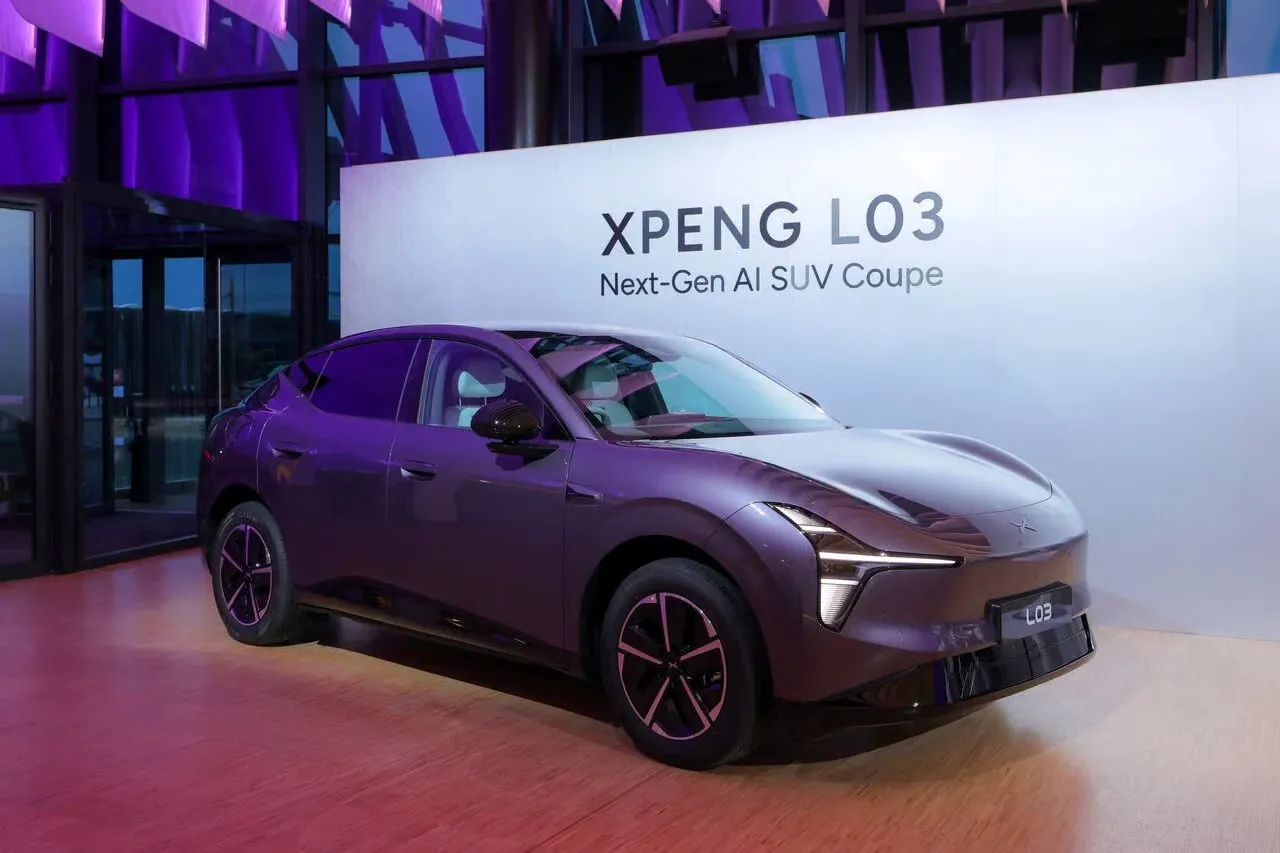
Xiaomi’s presence in Berlin also says something about the trade show itself. Historically focused on consumer electronics and home appliances—the so-called “white” category in industry jargon—IFA had not previously been accustomed to hosting automobile manufacturers. This edition marks a shift: the Mobility section moved to CityCube, a 200-meter-long testing track was set up, and most importantly, Volkswagen is exhibiting for the first time in its history at Messegelände, featuring a Volkswagen ID. Polo transformed into a mobile 3D printing workshop. The Chinese brand XPENG is also present with its new Xpeng L03.
Also read
Xpeng L03: our review of the electric SUV arriving in France at an amazing price
This scenario bears some resemblance to that of CES in Las Vegas, which over the 2010s evolved into a full-fledged automotive event, to the point where it competed with other industry shows. In Berlin, it seems the same trend is underway. Moreover, this year’s schedule favors IFA: since the IAA Mobility in Munich takes place every two years, alternating with the Paris Motor Show, there will be no major German automotive exhibition in 2026. The next one will be held from September 7 to 12, 2027, precisely the year Xiaomi plans to enter its European market...
Photo credit: Xiaomi, D. Nogueira