
With this new partnership between Nio and Geely, can battery swapping finally take off in Europe?
China’s leader in battery swapping has moved closer to Geely. Should we see this as an opportunity for the wider adoption of this technology in Europe?
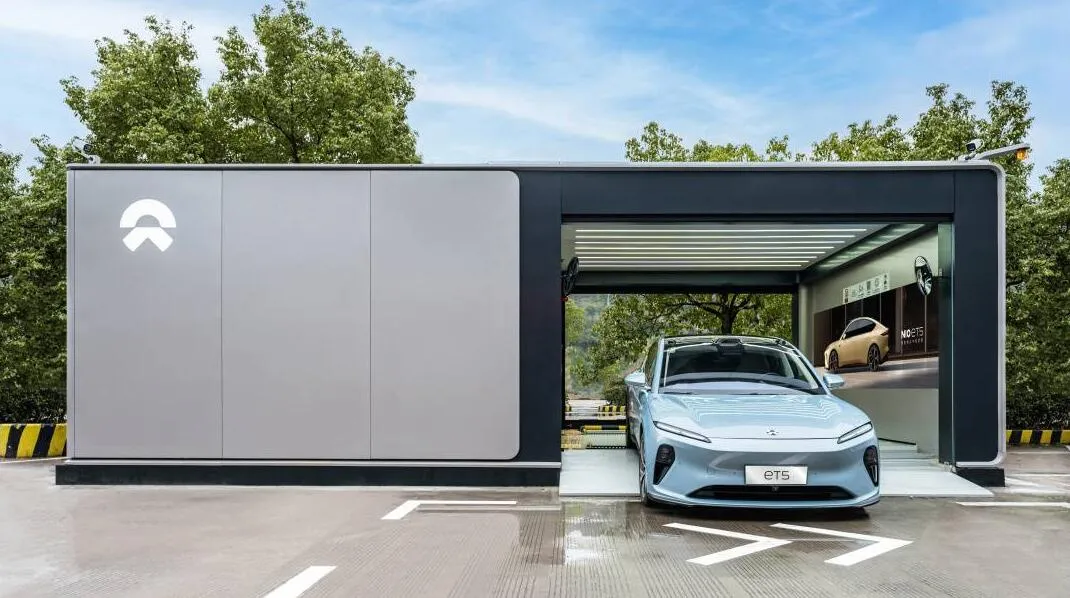
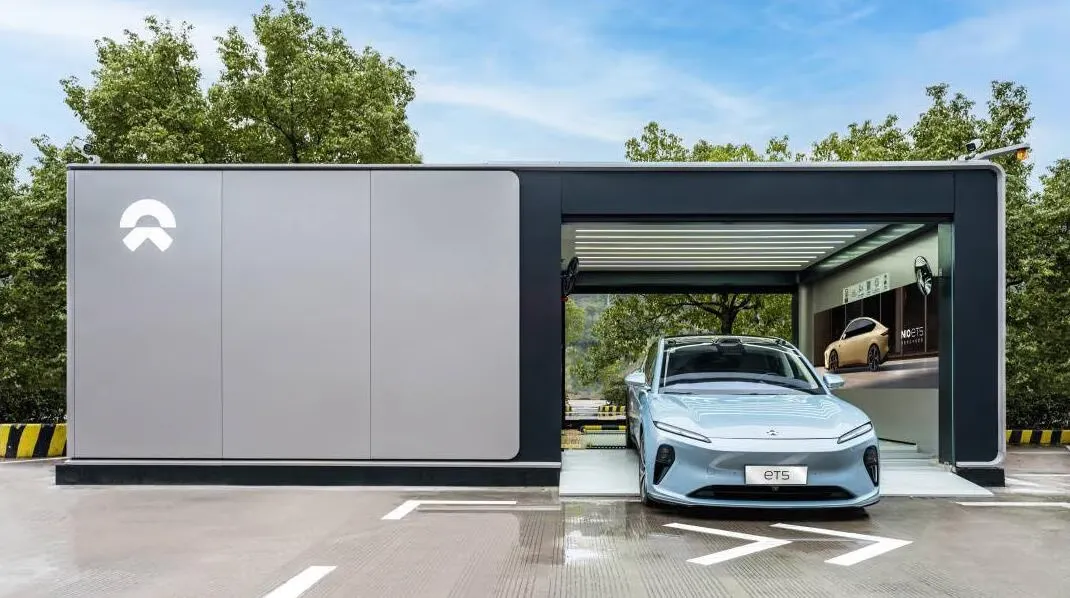
Since launching its first model in 2018, Nio has focused entirely on battery swapping. The deployment of swap stations has accelerated over the past two years, with Nio Power now operating more than 4,000 swap stations in China. This is still not enough, as the number is expected to exceed 10,000 by 2030.
Also read
Nio electric cars in France are not coming any time soon
Despite the emergence of charging technologies that make battery swapping less attractive, this technology remains a priority, and Nio is benefiting from the entry of a major partner. While a partnership with CATL was discussed earlier this summer, it is ultimately Geely that steps in. This Chinese giant, which already has its own battery swapping network, will soon own 30% of Nio Power.
The two automakers are no strangers to each other, having already entered into a partnership on this topic in 2023. Geely has confirmed its intention to develop new compatible models. In the long term, it is likely that Geely and Nio vehicles will be able to use shared charging stations.
With Nio struggling in Europe while Geely is stepping up its efforts, could this open new prospects for battery swapping technology there? It’s unlikely. In fact, Geely is deeply focused on accelerating charging speeds and is not expected to change course.
In China, it limits battery swapping to captive fleets such as taxis, corporate vehicles, and commercial trucks. The new agreement is unlikely to change this situation but will merely provide more support for its existing offerings. Moreover, it does so with minimal cash outlay. The deal is estimated at 2 billion euros, but in reality, Geely only spends 84 million euros. The remaining amount comes from transferring all shares of its subsidiary Yiyi Power to Nio Power.
