
Actual range of the Leapmotor B05 on the highway at 130 km/h
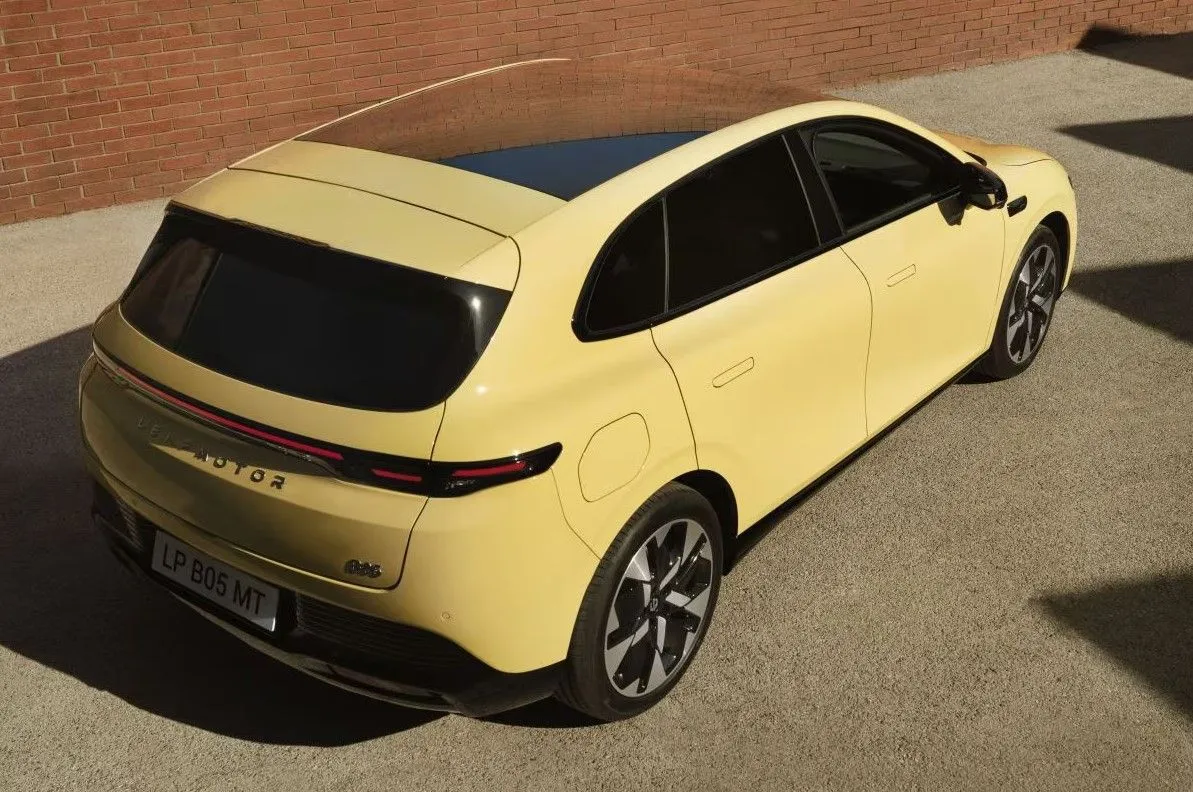
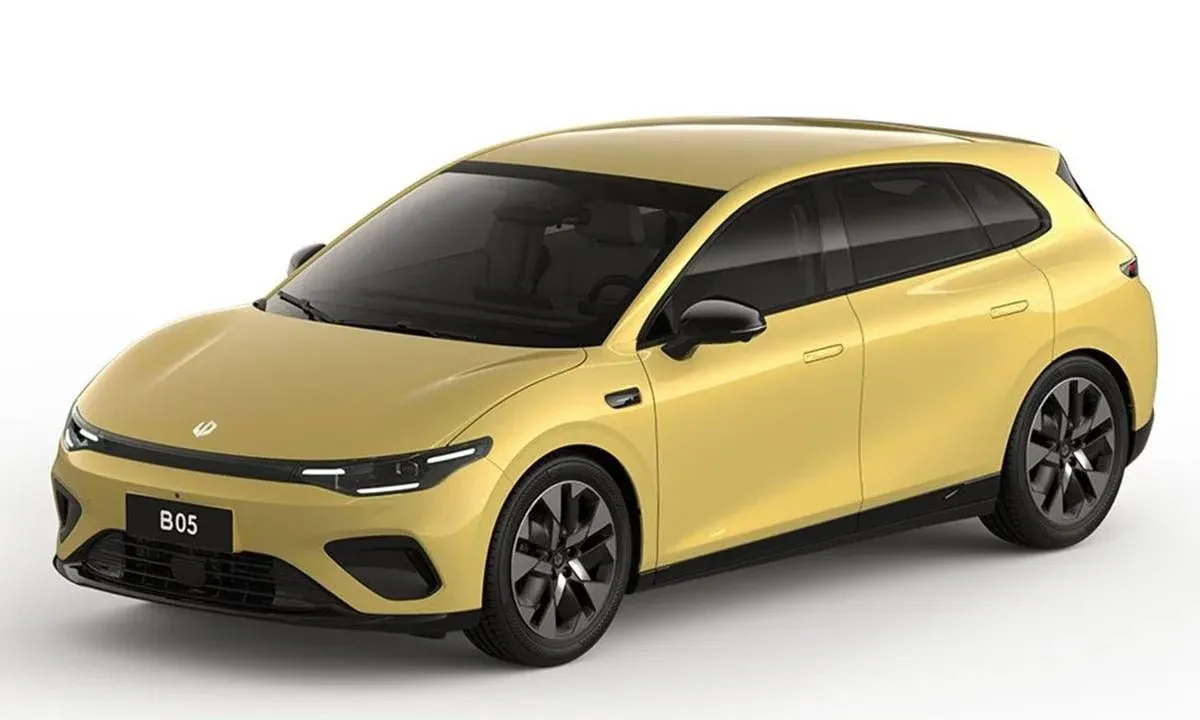
The Leapmotor B05 is one of those electric cars that, on paper, boasts many of the features currently sought after by the market. It has an eye-catching design, more than sufficient power, a battery with reasonable capacity, and an attractive price.
But while the certification figures are one thing, something entirely different happens when the car is on the road and has to deal with highway speeds. A real-world test allows us to verify exactly that, and the results yield a less optimistic conclusion than its technical specifications might suggest.
The Leapmotor B05’s problems emerge on the highway
During the test conducted by YouTuber Yoann, various driving routes were covered to measure energy consumption at different speeds. In the first few kilometers, the results were quite good, with readings around 15 kWh/100 km when the average speed was moderate. Under these conditions, the B05 demonstrated that its propulsion system could operate with reasonable efficiency.
However, things change as soon as the speed increases. On the highway, energy consumption soared to between 23 and 24 kWh/100 km, a figure that becomes quite high for an electric compact car equipped with a 67.1 kWh battery. The test itself showed values in this range when the car maintained a steady speed.
And this is where it’s important to put those 24 kWh/100 km figures in perspective. While saying a car consumes between 23 and 24 kWh/100 km might seem like just another number, for an electric vehicle with a 67.1 kWh battery, it means the available range drops significantly.
With that consumption level, using the full capacity of the battery from 100% to 0%, the Leapmotor B05 could theoretically travel about 280 kilometers before reaching 0% battery.
But in a real trip, almost no one uses 100% of the battery. It’s common to start with around 90% and arrive at the next charger with about 10%, reserving that margin to avoid running out of battery and to provide some safety against unexpected situations. This means that in practice we’re using approximately 80% of the battery, which is around 53.7 kWh.
With a consumption of 24 kWh per 100 km, those 53.7 kWh allow for approximately 224 kilometers of driving on a single charge. Even if we slightly expand the usage range to 90%-10%, the resulting driving range remains considerably lower than what the WLTP figure indicates.
Rapid charging is indeed one of its strengths. The B05 can achieve up to 174 kW in DC, and Leapmotor claims around 17 minutes to go from 30% to 80% charge.
Leapmotor B05: Driving Experience
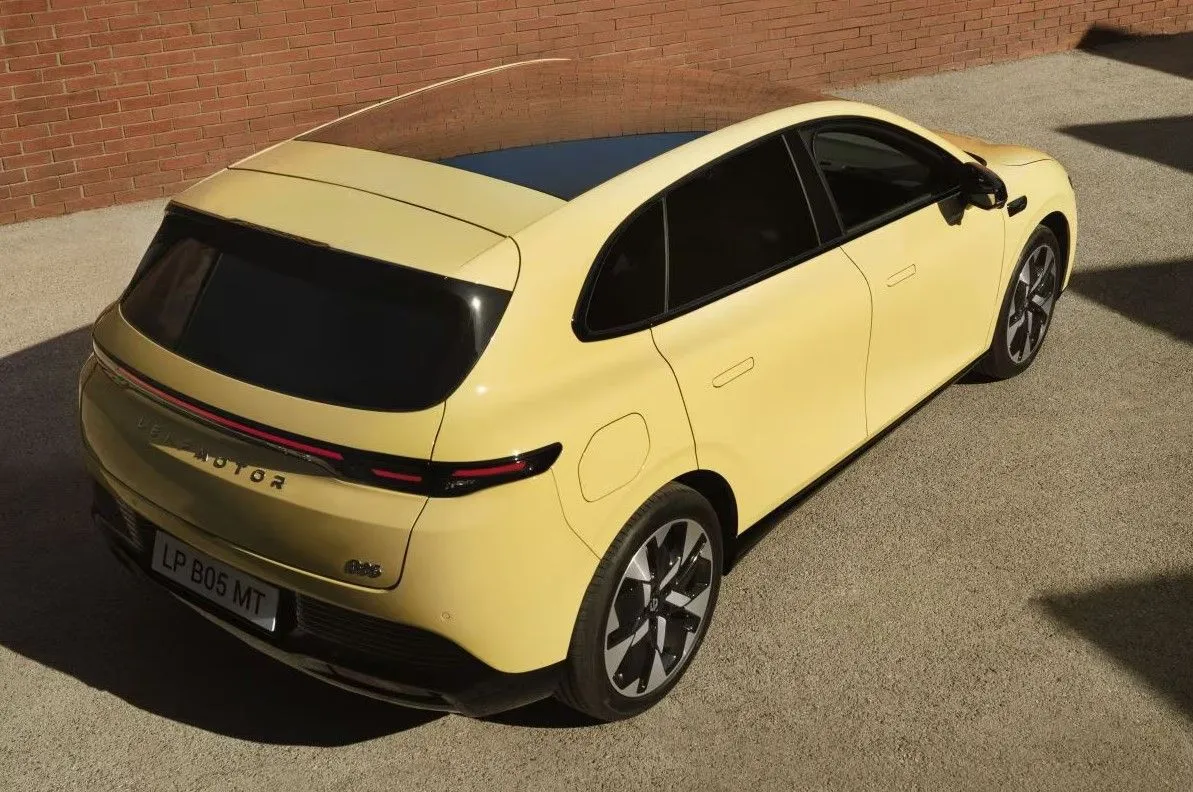
Regarding handling, the tester noted that the impression during testing is that the B05 is more focused on comfort than on delivering a sporty driving experience. The accelerator response is quite gentle, and regenerative braking isn’t particularly strong either. The car accelerates well, but it doesn’t give off the strong impression of being a 218 HP model.
On the road, its overall behavior is pleasant. The B05 features rear-wheel drive, a 50:50 weight distribution, and suspension tuned in collaboration with Stellantis’ chassis experts. This setup provides a good balance between stability and comfort, though the car’s character is more akin to a comfortable compact than a sporty sedan.
The driving aids also deliver a great feel. The adaptive cruise control and lane-keeping system worked properly during testing, allowing the car to stay in its lane on the highway quite naturally. The lane-keeping function turns off when the turn signal is activated and then activates again, a solution that is especially convenient during overtaking.
The adaptive cruise control also performs well when another vehicle joins ahead. The B05 gradually restores the selected distance, and overall its performance is satisfactory. This is one area where Leapmotor’s compact car manages to offer a technological experience that meets the current expectations for this segment.
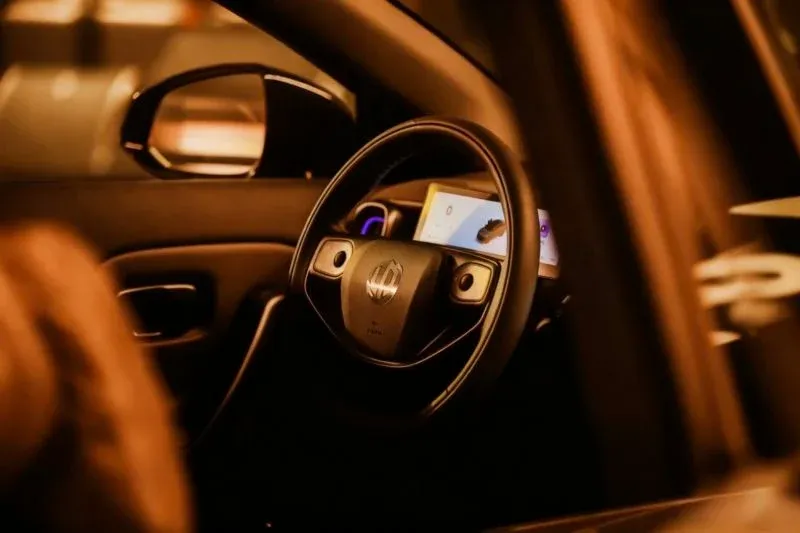
On the highway, however, another minor issue arises. Noise levels increase, and the sound insulation is quite inadequate. It doesn’t become a serious problem, but it is part of those small drawbacks that appear when using the B05 on highways.
Inside, Leapmotor opts for a design that is fairly standard, featuring a 14.6-inch central screen and an 8.8-inch digital dashboard. The brand’s operating system handles most of the car’s functions, supplemented by various assistance and connectivity systems.
Leapmotor B05 Test: Conclusion
This conclusion is particularly important because the B05 doesn’t have a small battery. With 67.1 kWh, one would expect sufficient range for long trips with few stops. In reality, highway driving requires these expectations to be significantly lowered to avoid unpleasant surprises after purchasing the car.
A high consumption and low efficiency that may not matter much in daily use, where it performs normally for its class, but which can significantly impact the driving experience. And that is precisely the less attractive aspect of the Leapmotor B05: when every kWh needs to be utilized most, it starts consuming more energy.
Speed
Consumption
Range at 100%
Practical range 90%-10%
90 km/h
14 kWh/100 km
479-516 km
383-413 km
110 km/h
15.8 kWh/100 km
425 km
340 km
130 km/h
24 kWh/100 km
280-292 km
224-233 km
