
Automakers' association calls for a subsidy for new used electric cars
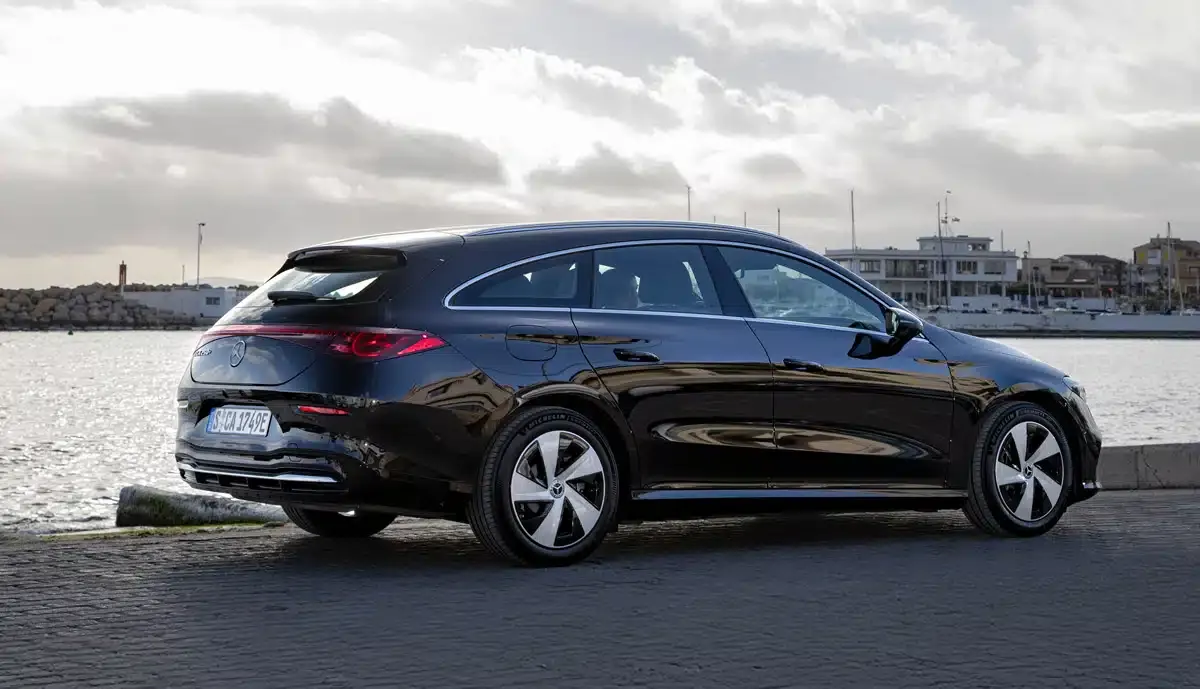
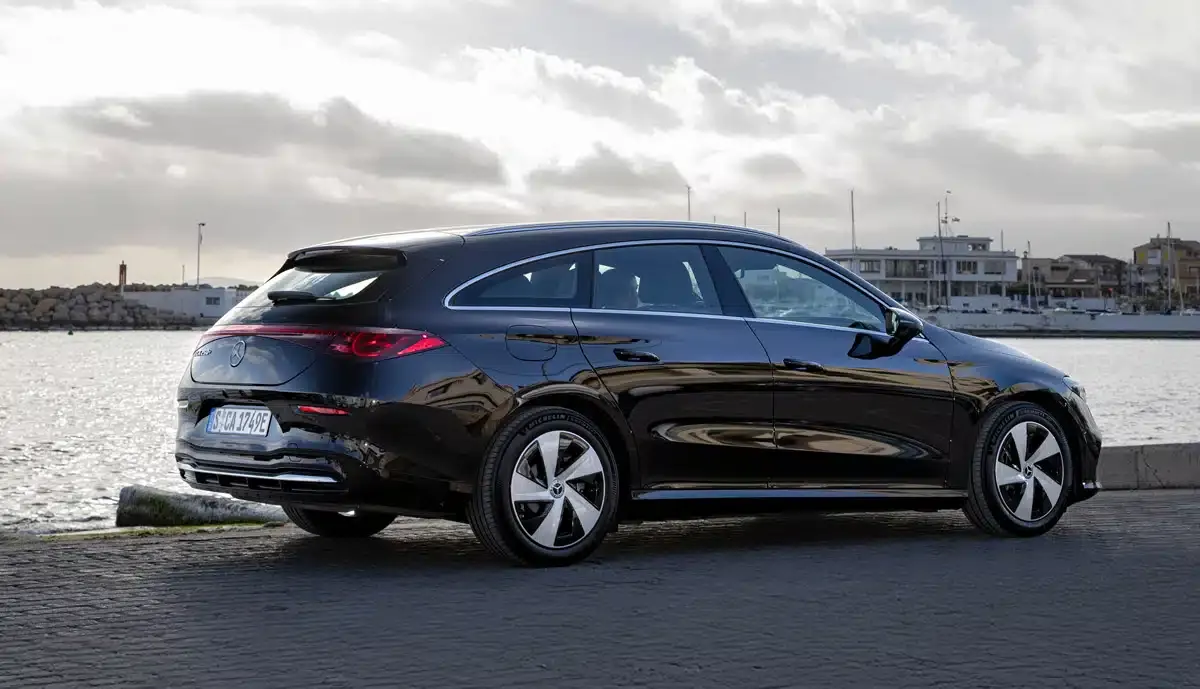
Image: Mercedes‑Benz (illustrative)
Starting in 2026, the sale of new electric vehicles and certain hybrids to private customers below specific income thresholds will be supported by a government purchase subsidy. According to the Association of German Automobile Dealers (VAD), customers have been asking dealers more frequently about electric cars since then. Interest in cheaper vehicles has particularly increased. The association cites the dynamic fluctuations in fuel prices and new attractive models from various brands as additional factors influencing demand.
"Electrified vehicles will prevail. Even without subsidies, bans, and quotas," says the VAD. At the same time, the association cites an analysis of subsidy figures showing that German manufacturers benefit far less than proportionally. Subsidies have the least impact on German brands.
As a change, the VAD suggests expanding subsidies to young used cars up to 14 months old. This would make a larger number of vehicles available to a broader segment of potential buyers. German corporate brands are particularly sought after in the market for young used cars: Among vehicles 10 to 18 months old, they led from January to July 2026 with nearly 200,000 title transfers.
The association expects that an increase in the subsidy will revitalize this market segment and, through typical market effects, also have a positive impact on the sales of new vehicles from these brands. According to VAD, cheaper used cars could also attract more customers with lower incomes. Another argument put forward by the association is that the share of subsidized vehicles, currently at 5.5 percent, would increase significantly as a result.
VAD is critical of the renewed discussion regarding “local content,” meaning possible requirements for the proportion of locally produced components. Such regulations have led to bureaucracy, difficulties in defining standards, and costs, especially for car dealers, due to the highly interconnected global supply chains. Therefore, the association warns against “taking this complex and regulation-intensive path.”
Also interesting
About the Author
Thomas Langenbucher is an expert in electromobility with professional experience in the automotive industry and finance sector. Since 2011, he has been covering electric vehicles, sustainable technologies, and mobility solutions for ecomento.de. Learn more.
Reader Interactions