
Weller: “Electric cars will succeed even without subsidies”
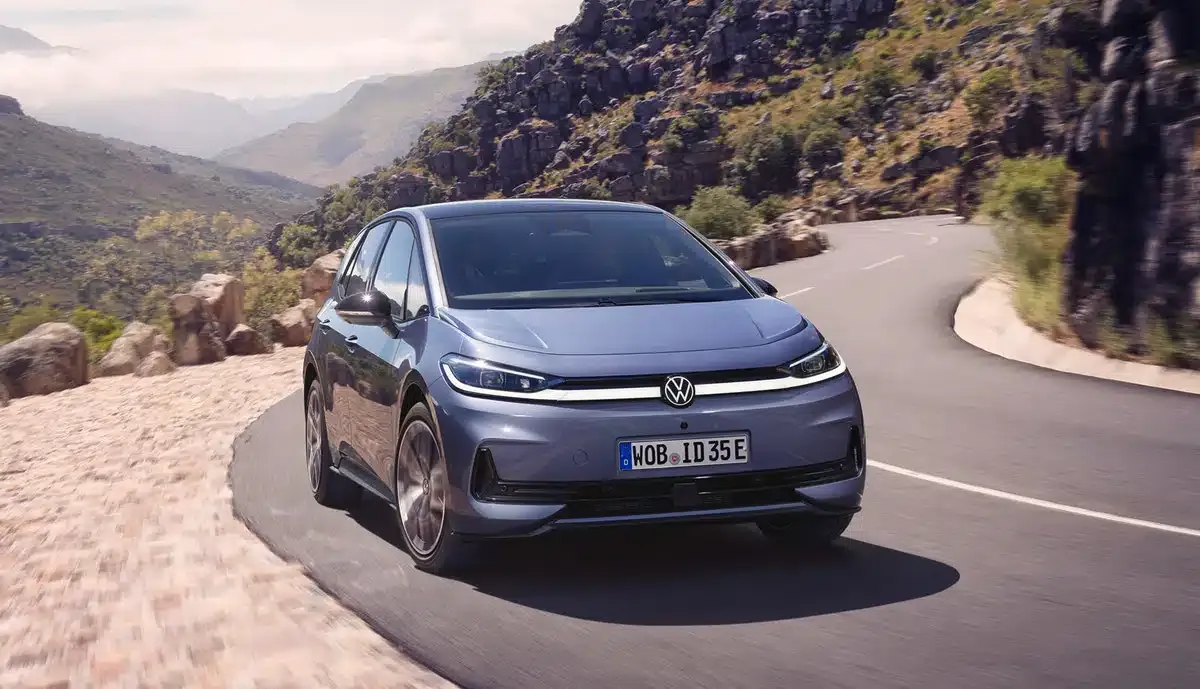
Image: VW (illustrative)
Burkhard Weller’s automobile dealership chain employs over 2600 people across Germany and operates 43 branches. This group of auto dealers is one of the key suppliers for major brands such as BMW and Toyota, but it also includes emerging Chinese brands like BYD in its portfolio. In an interview with Handelsblatt, Weller discussed topics including the development of electric mobility and the competition faced by local manufacturers from Chinese producers.
The industry veteran has observed market changes driven by Japanese manufacturers in the past, whose market share once reached 15 percent before dropping by about half. He expects a similar trend with Chinese brands, which, according to him, are currently growing primarily through price advantages.
A BYD model is comparable to a VW in many aspects but costs almost 10,000 euros less. “We only started working with BYD in January—and from scratch we sold numbers that were surprisingly positive,” reported the car dealer. However, he believes that once Chinese manufacturers raise prices to improve their margins, sales will normalize again.
“No threat at all to German premium manufacturers”
Despite the competition, Weller sees no threat to German premium manufacturers like BMW. He attributes this to their image, as customers pay extra for prestige here, just as they do with brands such as Mercedes or Porsche. BYD’s customers are more price-sensitive and seek functional features like trunk space, while BMW customers have different expectations regarding things like the suspension and fast driving on highways.
Electric vehicles now account for 36 percent of orders at Wellers Autohandel, up from around 20 percent last year. He attributes this to increased range, as electric cars with a range of over 400 kilometers reduce concerns about charging infrastructure. Regarding charging infrastructure, he advocates for strengthening existing facilities. In particular, there should be more charging options at gas stations, as new electric vehicles can draw power almost as quickly as internal combustion engines refuel.
According to Weller, the repair shop business will continue to exist despite the rise of electric vehicles, as electric cars require more frequent tire changes due to their weight and their complex electronics necessitate repairs. Although the profitable oil change service will disappear, the business as a whole is not going away.
Weller criticized the government’s electric car purchase subsidy as being ineffective for advancing electric mobility. Before the subsidy was introduced, sales had “completely stalled” as everyone waited for the incentive set to take effect on January 1, 2026. Currently, he observes early adoption effects but expects a looming sales downturn in the entry-level segment once the subsidy ends. Additionally, Chinese manufacturers such as BYD and MG benefited disproportionately from the subsidies, which contradicts the EU’s tariffs on electric vehicles from the People’s Republic of China.
Weller also criticized the fact that the business of electric used cars was under pressure due to the subsidy. These vehicles were not being promoted, even though price-sensitive customers would prefer to buy a used electric car. His fundamental view on subsidies and electromobility: “The electric car subsidy is complete nonsense. Electric cars will succeed even without a subsidy.”
Also interesting
About the author
Thomas Langenbucher is an expert in electromobility with professional experience in the automotive and financial industries. Since 2011, he has been covering electric cars, sustainable technologies, and mobility solutions for ecomento.de. Learn more.
Reader interactions