
Auto & Climate: Europe is all of us (and it imposes nothing on us)
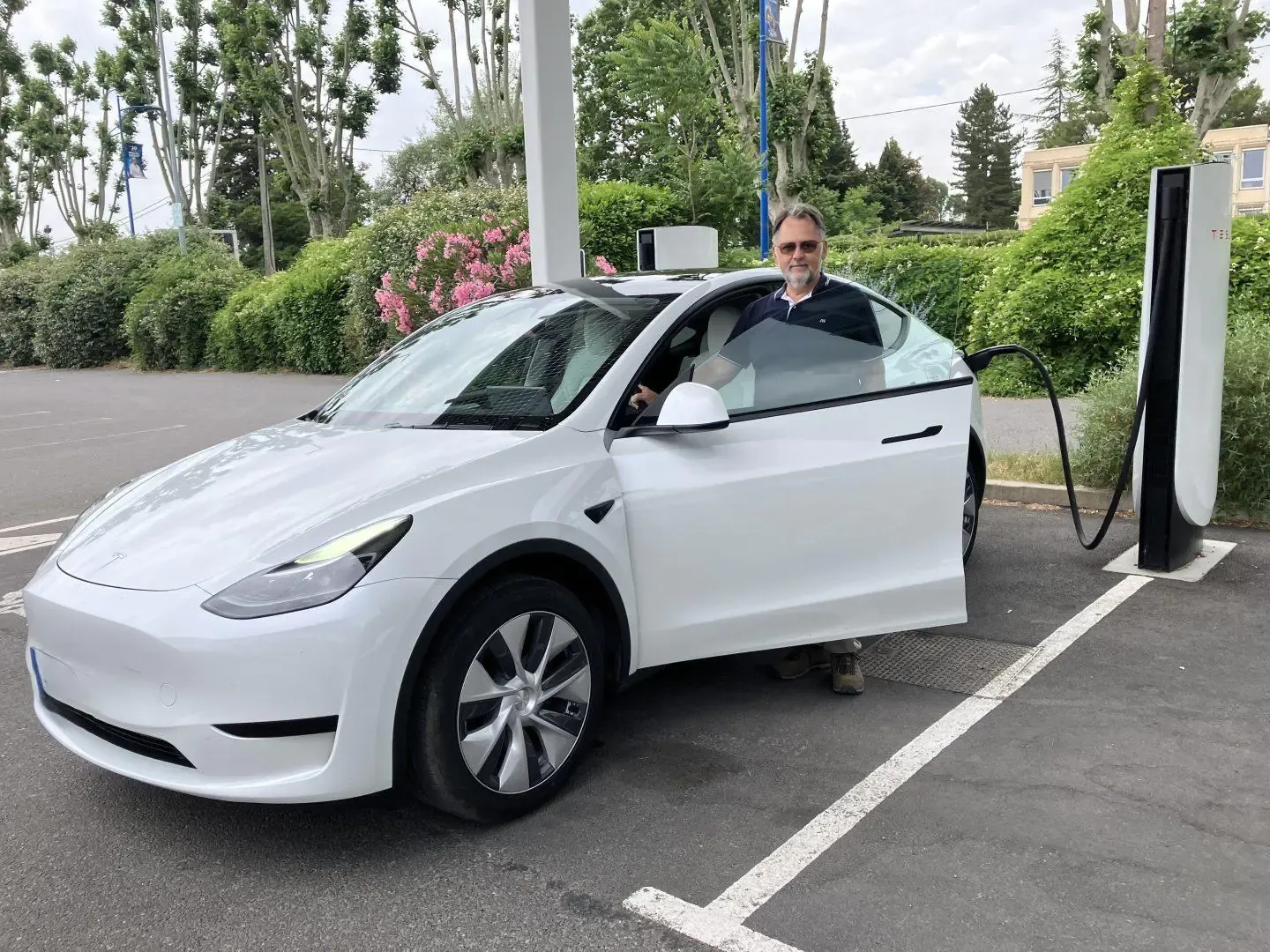
Engineer Ivone Benfatto has worked abroad for most of his life. Now retired, he resides in France; but as a consultant for a Chinese company, he is about to head to Shanghai, where he will spend the next 3 years. Readers of Vaielettrico know him from his reports from China and his in-depth articles on charging, batteries, and autonomous driving. He is a citizen of the world, but his homeland is Europe. And he is clearly tired of seeing it neglected. To contact us: info@vaielettrico.it.
"Today I read some articles about job cuts at Volkswagen, and then I saw on LinkedIn the usual comments like: ‘Ah, Europe… Europe has decided… Europe is imposing this on us…’, as if there were some higher entity called ‘Europe’ that, almost like an emperor, makes decisions and imposes them on citizens and states."
I unfortunately don’t have time to write an article on it, but I thought it might be interesting for Vaielettrico to produce a piece, let’s call it an “education on civic matters,” that explains simply how the decision-making process of the European Union actually works.
Because, from what I know, it’s ultimately a democratic system in which we citizens are much more involved than is often made to seem.
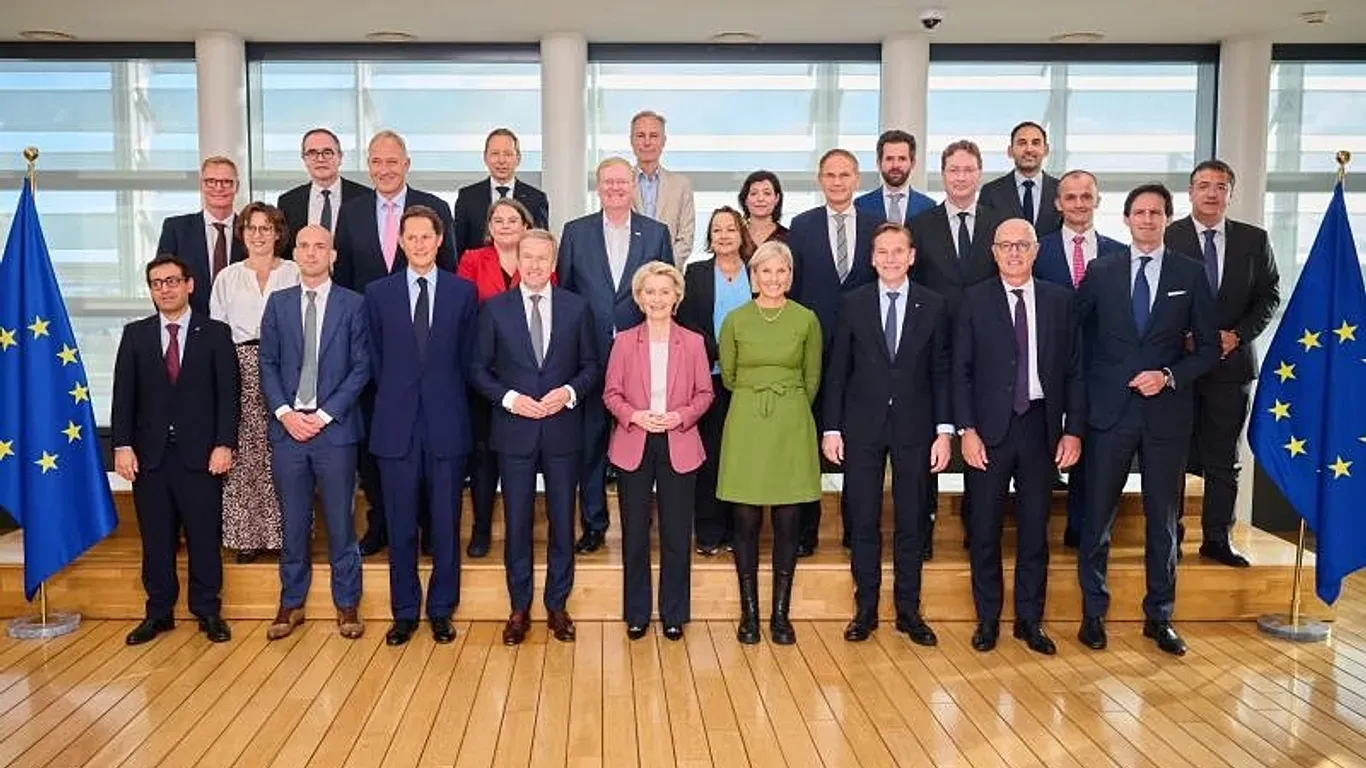
The European commissioners do not fall from the sky: they are appointed by the member states, which in turn are governed by governments elected at the national level. The Commission as a whole must then obtain approval from the European Parliament, which we citizens elect directly.
And most importantly, in most European legislation, it is far from enough for “the Commission to decide.” The Commission proposes, but the laws must still be approved by the European Parliament, that is, by the representatives we have elected, and by the Council of the European Union, composed of ministers from the member states’ governments.
So perhaps, rather than constantly saying “Europe imposed this on us,” it would be more accurate to say: “Our representatives, directly or indirectly chosen by us, approved a certain strategy a few years ago, and now we can discuss whether that strategy has produced the desired results or not.”
If we think today that a certain decision was wrong, we should perhaps first ask ourselves: Who did I vote for in the European elections? What position did they hold? What did my political group vote for? The same naturally applies to the national government that represented us in the Council.
Personally, I am not at all convinced that what is happening today in the European automotive industry is simply the result of EU policies; in my view, the causes are much more complex. But that would be another article.
The point I think is useful to remember is much simpler: “Europe,” when we talk about its decision-making system, includes us as well. And that’s exactly why it’s important to understand how it works, to vote, and then to hold those we’ve elected accountable for their decisions, rather than seeing Brussels as an external entity making decisions above our heads.“ Ivone
Response – Dear Ivone, there isn’t much to add to what you’ve written (and we fully agree). All decisions by the European Union are the result of the rigorous democratic process you’ve aptly summarized. It’s even “too democratic,” one might say, as it requires unanimous approval from all 27 member states. This does not happen in any other democracy in the world, where decisions are made by majority vote. This doesn’t mean all of Brussels’ choices are correct. But any judgment must always stem from the collective interest. In that regard, any form of sovereignty is a contradiction in terms.
READ ALSO: Marchesini (Confindustria): “Europe will become a third power if it solves the energy puzzle” and watch the VIDEO
Previous Article
Kia EV3 after Leapmotor: AC charging issue (resolved)