
Electric cars are 33% cheaper to operate in the EU than gasoline cars. Even public charging still has an advantage.
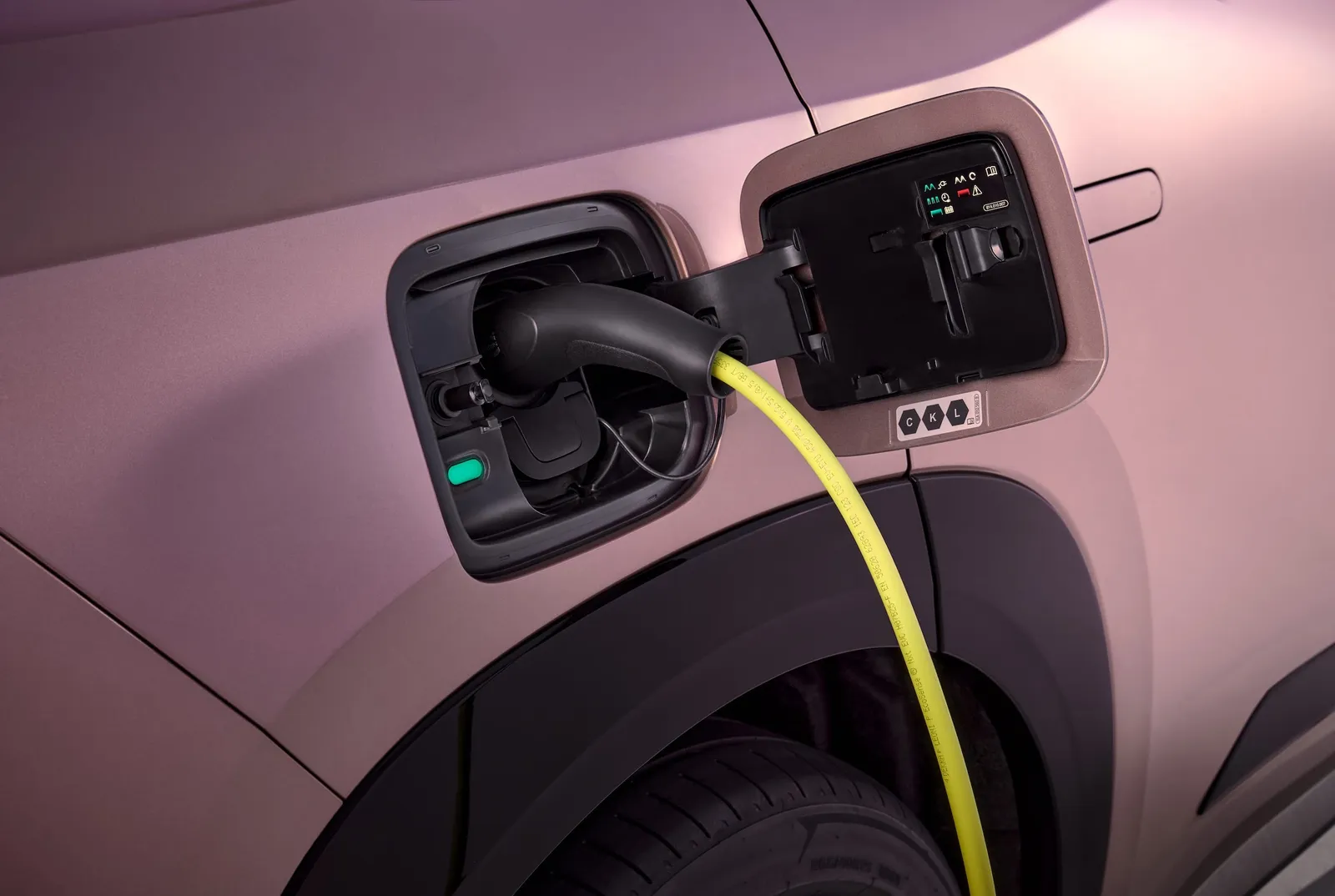
In 2025, the operating cost of an electric car in the European Union was 33% lower than that of a gasoline car. This is according to the ICCT EV Transition Check 2026 report. Interestingly, even BEVs charged solely at public stations were 28% cheaper than gasoline cars.
ICCT adds another caveat. After the oil market crisis that began in February 2026, energy costs for internal combustion engines rose by 12-36% at the start of the year, while those for electric cars remained largely unchanged. This is no longer a paper advantage.
Car and battery prices have dropped
The report combines two factors. First, fuel is expensive. Second, electric cars and batteries have significantly become cheaper. Between 2020 and 2025, global battery costs dropped by 35%. During the same period, the purchase prices of electric cars in Germany, after adjusting for inflation and vehicle specifications, fell by 18%. In contrast, prices of gasoline cars rose by 2%.
Marie Rajon Bernard from ICCT states bluntly: “Drivers of electric cars in Europe pay about one-third less than those using gasoline cars.” She adds that these savings are hard to ignore. It’s difficult to argue against this, though as usual, the details lie in driving habits and charging methods.
ICCT also claims that by 2025, electric cars reached the same price level as gasoline vehicles in the three largest market segments. The data is based on prices of 100,000 vehicles from Germany. Additionally, the offering has expanded significantly. The number of BEV models available on the market quadrupled between 2020 and 2025.
In Europe, there is also an increase in production. By 2025, the share of fully electric powertrains in the market reached 18%. Peter Mock from ICCT notes that car prices have not dropped as quickly as battery prices, so there is still room for further reductions. In short, manufacturers still have room to lower prices.
From a Polish perspective, this conclusion seems quite reasonable. With current average fuel prices of 7.4 zł/l for gasoline and 8.5 zł/l for diesel, along with electricity costs of around 1.1 zł/kWh at home, 1.8 zł/kWh for off-peak AC use, and 2.1 zł/kWh for peak DC use, the math generally favors EVs. Even without taking advantage of night-time tariff discounts.
Electric trucks and the PHEV issue
The second focus of the report is on trucks. ICCT estimates that in long-distance transport within the EU, electric trucks could reach cost parity with diesel by 2030. In Germany, this point is expected to be reached already now thanks to exemptions from road tolls. As a result, electric long-distance trucks have 11% lower purchase and operating costs compared to diesel ones.
The report also examines emissions throughout the entire life cycle. An electric car is supposed to produce 73% fewer greenhouse gases than a gasoline car. For long-haul trucks, the difference compared to diesel reaches 86%.
Plug-in hybrids are also discussed in the report. ICCT calculates that the actual emissions of PHEVs are on average 4.6 times higher than the certification values. This is the old utility factor issue, only it becomes increasingly problematic for manufacturers year by year.
The most interesting part of this report is that the advantage of EVs no longer relies solely on cheap charging at home. How do you calculate your costs—using AC or mainly DC?
LovEV Newsletter
Want more content like this?
Sign up—we’ll send you a weekly summary once the newsletter starts.