
Electric cars have become cheaper than hybrids. China is overtaking Japan in this area.
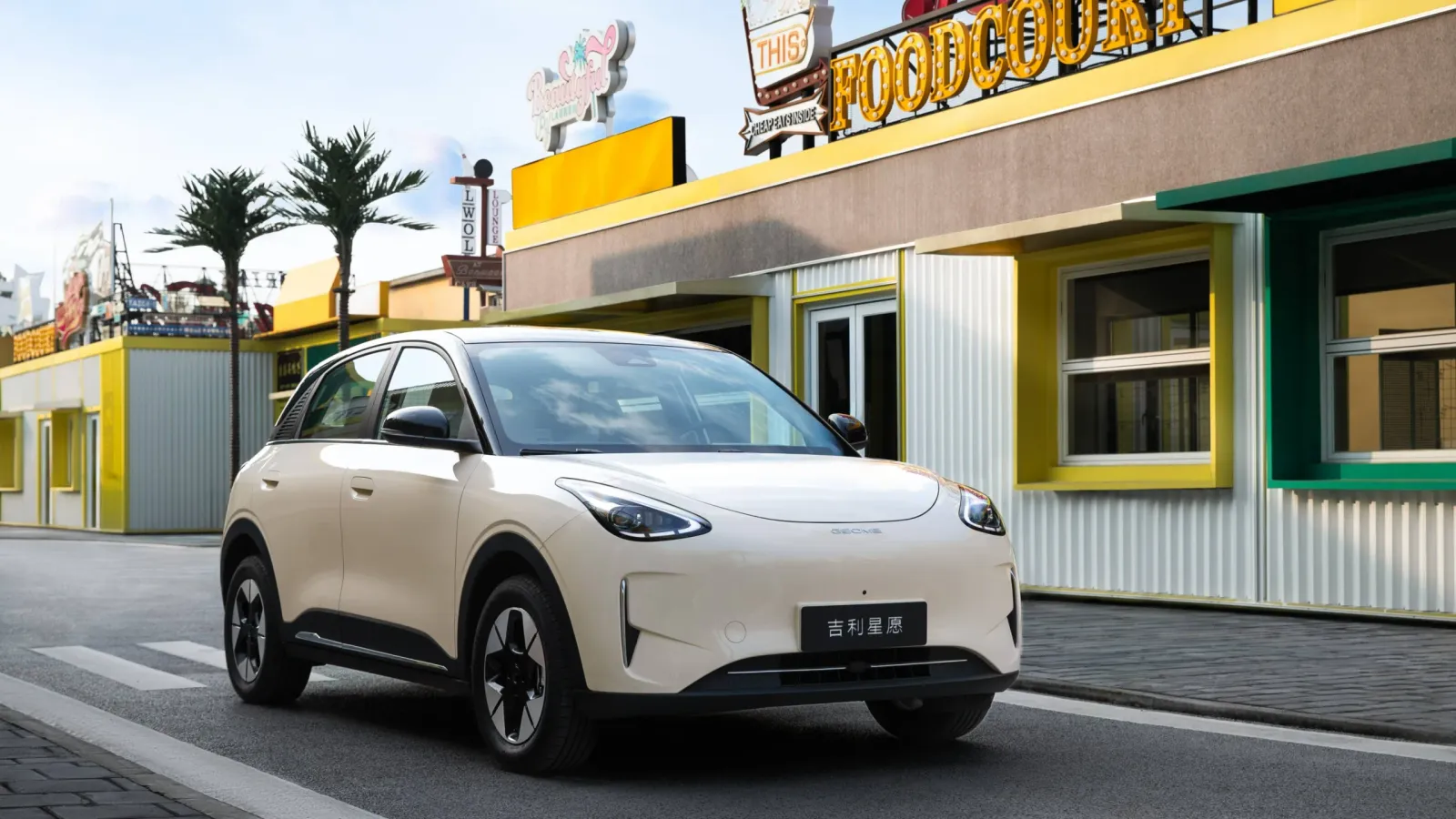
The global average price of a battery-powered electric car dropped to around $37,000 in 2025, below the average hybrid price of $39,000. This is according to data from Mobility Global cited by Nikkei Asia, and it represents a quite symbolic moment for the market: the argument that “EVs are simply too expensive” no longer holds as strongly as it did just a few years ago.
Between 2020 and 2025, the average price of BEVs fell by about 9%, while hybrids rose by 16%. This reverses the trend that many manufacturers and consumers had become accustomed to. Not long ago, hybrids were seen as the “reasonable option,” while electric cars were considered expensive toys for early adopters. Today, the situation is increasingly reversed, at least based on global average figures.
Batteries are getting cheaper and doing most of the work
There’s no great secret here. In an electric car, the battery typically accounts for 30-40 percent of the total vehicle cost. If the battery gets cheaper, the car gets cheaper as well. And battery packs for passenger cars rose by 37 percent between 2020 and 2025.
The Chinese supply chain plays the biggest role here. China already accounts for about 80 percent of the global lithium battery market, and for several years it has been expanding production so rapidly that prices had to fall. This is no longer just a cost advantage—it’s an industrial advantage.
The second piece of the puzzle is LFP. Lithium-iron-phosphate cells are cheaper than traditional ternary batteries and do not require expensive materials like cobalt. Until recently, Europe viewed them with some skepticism due to their lower energy density. Now, Renault and Volkswagen are increasingly incorporating LFP into their models. The reason is simple: an Excel spreadsheet has begun to outweigh prejudice.
Chinese EVs pressuring competitors
That’s not all, as the price drop isn’t solely due to cheaper components. There is also aggressive expansion by Chinese manufacturers. In 2025, China exported 1.64 million electric vehicles. In 2020, that figure was less than 100,000. This represents a growth of over 16 times in five years.
This particularly affects Japan, which has built up an advantage in hybrids over the years. If BEVs now cost on average less than HEVs, Japan’s narrative about a “transition phase” becomes less convincing. Hybrids still make sense for many customers, of course. But they are no longer the obvious answer when it comes to price.
A good example is Japan and the new BYD Racco, an electric kei car. The model received over 1,000 orders in two weeks, with the company aiming for 10,000 orders by the end of 2026. For a market heavily reliant on local brands, this is no longer just an interesting development.
Toyota and Nissan can already see the wind blowing
Toyota is not abandoning its “multi-pathway” strategy, which involves targeting everyone at once: hybrids, internal combustion engines, and electric vehicles. The problem is that the market may start to assess which of these paths actually lead to a reasonable final price.
Nissan, on the other hand, is trying to leverage Chinese manufacturing capabilities. The plan involves exporting electric vehicles produced in China to other markets, aiming for 300,000 units per year. The first model in this initiative is the Nissan N7 electric sedan, which made its debut in China in April.
The International Energy Agency estimates that BEVs and PHEVs will account for around 30 percent of global new car sales by 2026. If battery prices continue to fall, the price advantage of electrified vehicles could increase further. At that point, the biggest challenge for some manufacturers won’t be technology but rather having told customers for too long that now isn’t the time.
In your opinion, will hybrids remain a “safe choice,” or will prices drive the market to shift more quickly toward BEVs?
LovEV Newsletter
Want more content like this?
Sign up — we’ll send you a weekly summary once the newsletter starts.