
Analysis: Which households will receive electric vehicle subsidies
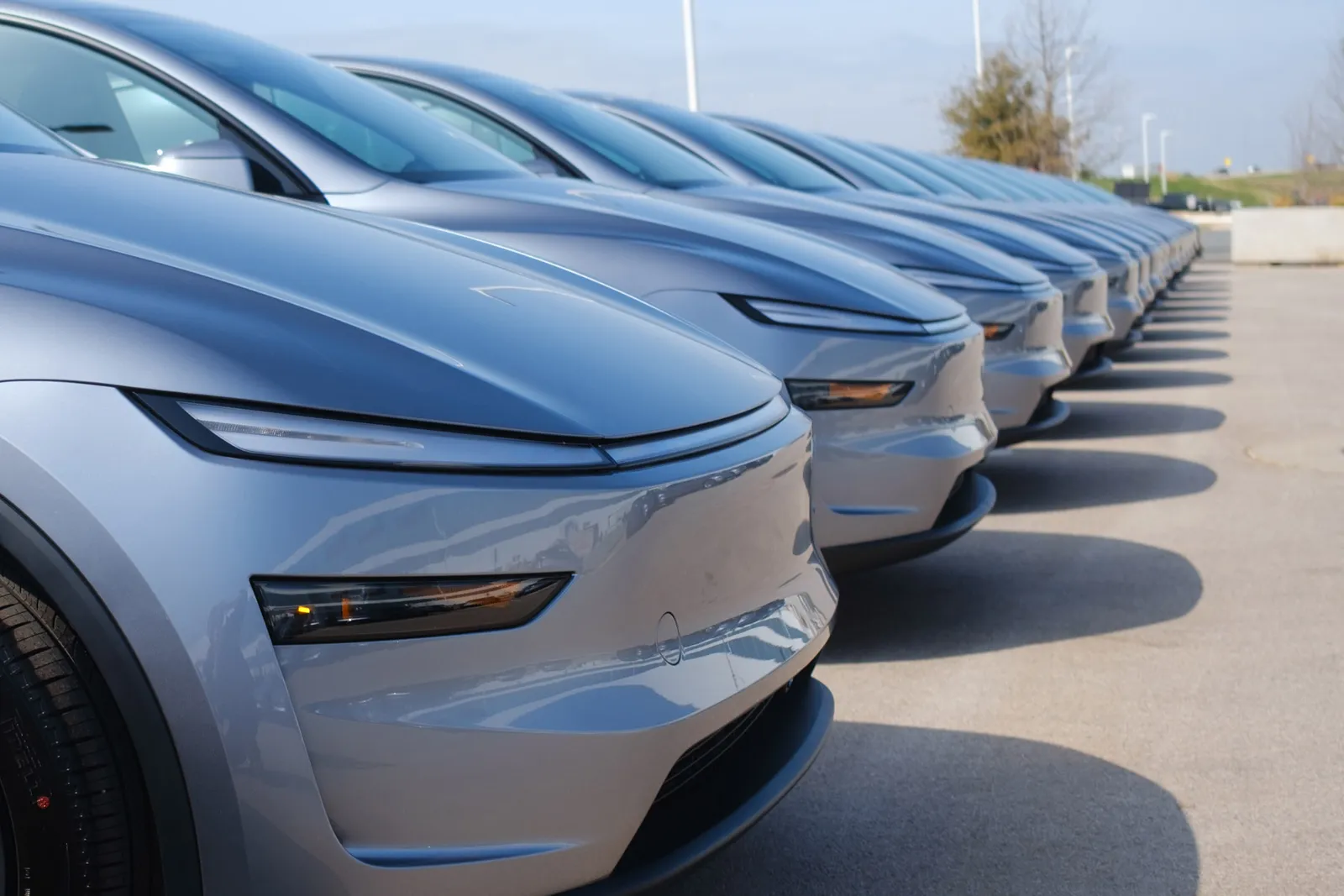
The BAFA is increasing transparency by releasing a monthly statistic on electric vehicle subsidies, including details on applicants and the models supported. It shows that these subsidies primarily benefit households with relatively low incomes. Additionally, Tesla remains by far the most popular individual brand.
The new BAFA report shows, as of August 1, 2026, details such as the number of grants awarded and the amount of funding disbursed. It also includes breakdowns by type of propulsion and financing, income level and households with children, as well as by manufacturer, brand, and model. With this statistics, BAFA aims to ensure transparency following rumors a few weeks ago that German subsidies primarily benefited Chinese brands.
The statistics provide information on applications that have already been approved. As of August 1, there were exactly 26,875 such approvals. The number of applications submitted is nearly four times higher: As reported last week, the threshold of 100,000 subsidy applications was recently surpassed. Therefore, BAFA will have a lot of work to handle these applications in the foreseeable future.
According to BAFA, as of August 1, a total of 117 million euros were disbursed to applicants who received approved funding. In terms of vehicle types, 92 percent of the applications were for pure electric cars, while only 8 percent were for plug-in hybrids. The applications were split almost evenly between purchase and leasing options.
The typical applicant is also outlined by BAFA statistics: roughly half of all previously approved applications fall into the lowest income category (annual taxable household income up to 45,000 euros). This is because the subsidies are tiered based on income as well as the number of minor children in the household. The next two income categories together account for another approximately 13,000 applications. The top two categories have even fewer than 1,000 applications each. In other words, the support indeed reaches those who need it most: people with relatively low to moderate incomes who might not be able to afford a new electric car without subsidies.
Interestingly, the vast majority of applicants did not specify any minor children: alone, 17,000 applications came from “households without children eligible for subsidies,” according to BAFA. This also makes it clear that many recipients do not receive the full subsidy amount of 6,000 euros. This is evident from the total subsidy amount disbursed compared to the approved applications: on average, 4,350 euros per household is allocated.
Let’s take a look at the manufacturers, brands, and models that are particularly popular among those who have successfully applied so far. Below is a summary of the approvals by corporation (Top 10):
Ranking
Corporation/Group
Number
1.
Volkswagen AG
6,239
2.
Tesla
4,590
3.
Stellantis
3,838
4.
Hyundai Motor Group
2.973
5.
Renault Group
1.659
6.
Stellantis / Leapmotor (Joint
Venture)
1.456
7.
BYD Company
1.338
8.
BMW Group
1.324
9.
Ford Motor Company
968
10.
Toyota Motor Corporation
393
The ranking is fairly rough in that entire corporate brands are grouped together under their respective categories. Among the leaders, Volkswagen includes brands such as Skoda, VW, and Cupra. In fact, Tesla is the top performer when looking at individual brands. Additionally, this assessment differs from Germany’s overall electric vehicle registration figures because it takes into account more vehicles produced abroad. “Automobilwoche” conducted a detailed analysis of the origins, concluding that 7,590 of the subsidized electric vehicles were manufactured in Germany and 6,622 in China (not only by Chinese brands but also by international manufacturers that produce there). Alone, over 3,000 Tesla Model Y vehicles come from Brandenburg. The ranking of the top 10 subsidized models is as follows:
I have the following:Ranking
Model
Quantity
1.
Tesla Model Y
3,067
2.
Skoda Elroq
2,148
3.
Tesla Model 3
1,517
4.
Hyundai Ioniq
1,092
5.
VW ID.3
958
6.
Cupra Born
768
7.
Leapmotor T03
754
8.
Fiat 500e
647
9.
Citroen e-C3
620
10.
BMW iX1
609
Notably, it isn’t a BYD electric vehicle from China that makes it into the top 10, but rather the Leapmotor T03 in the category of electric compact cars, which is sold in Europe through the joint venture between Stellantis and Leapmotor. Overall, Leapmotor performs exceptionally well in terms of incentives received. However, Tesla, Skoda, and VW’s flagship models remain unchallenged. Premium vehicles are relatively rare in the upper part of the rankings, but they are not excluded from incentives either (there is no strict price limit, only an income threshold). As a result, some electric Porsche models also appear in the BAFA statistics.