
Australia develops another method for producing clean, cheap, and efficient hydrogen using a metal that reacts with water and can be reused
01/11/2026 07:00
Updated to
01/11/2026 07:00
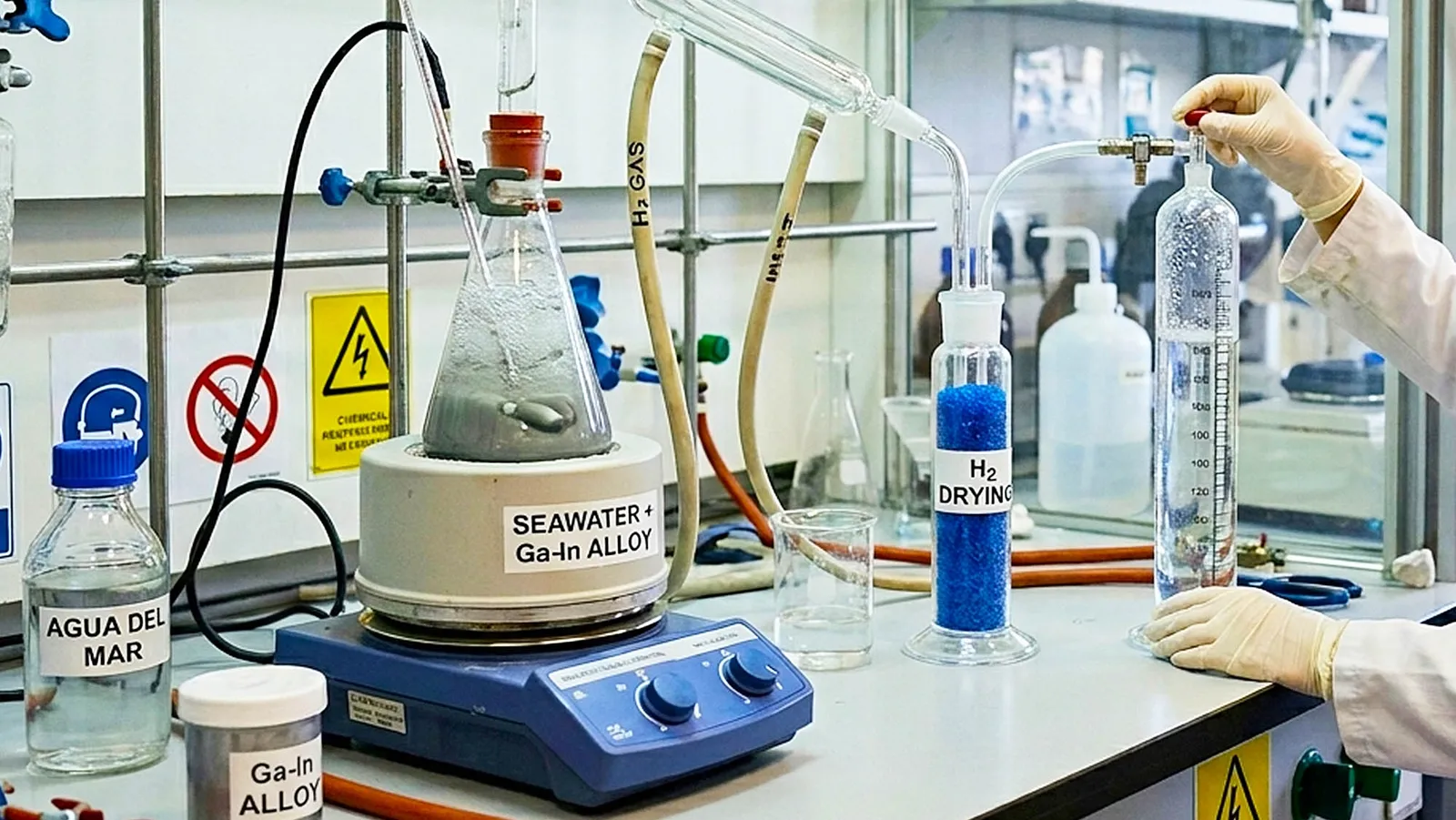
Hydrogen has been identified for years as one of the potential pillars of the energy transition, but its production remains limited by high costs, high energy consumption, and dependence on purified water.
In this context, a team from the University of Sydney has developed an alternative method that aims to overcome these barriers by using solar light and liquid metal.
Sea water, light, gallium, and recyclable
The advancement, published on February 10, 2026, proposes a system capable of generating hydrogen from both freshwater and seawater, significantly expanding its applicability compared to conventional technologies.
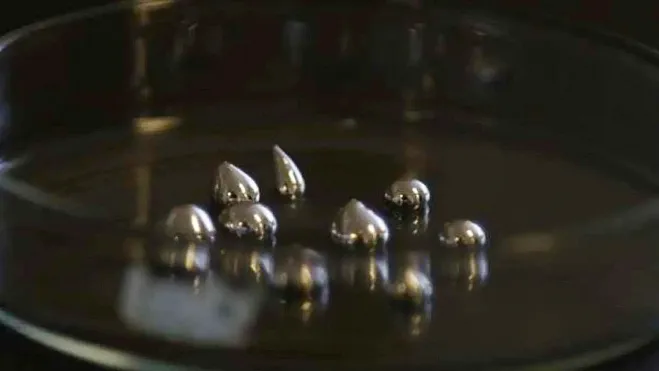
The process relies on the use of gallium, a metal with a low melting point that can remain in a liquid state near room temperature. In the experiment, small particles or droplets of gallium are introduced into water and exposed to light (solar or artificial), which triggers a chemical reaction on their surface.
The key lies in the photothermal behavior of the system. Light heats the gallium, initiating oxidation at the interface between the metal and water. As a result, hydrogen and a byproduct, gallium hydroxide, are generated.
As stated in a publication in the scientific journal Nature, radiation serves a dual purpose: it not only provides thermal energy but also breaks down the oxide layer that naturally forms on the metal, allowing the reaction to continue sustainably.
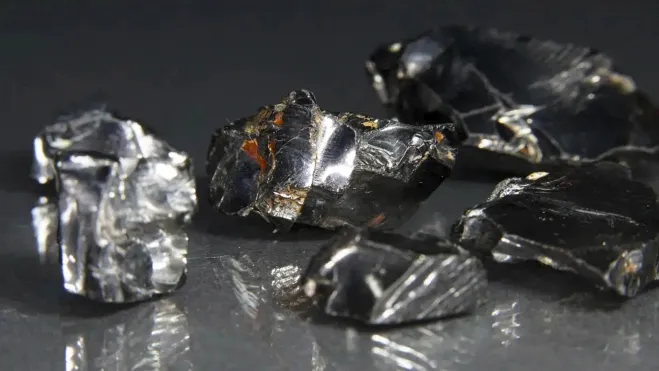
One of the most significant aspects of this system is its circular nature. The generated oxihydroxide can be reduced later to regenerate the original gallium, enabling the material to be reused in successive cycles. This approach reduces resource consumption and enhances the long-term viability of the process.
Compared to traditional methods such as electrolysis, which require electricity and, in many cases, treated water, this system eliminates both dependencies. The ability to work directly with seawater avoids the need for desalination, one of the factors that increase the cost of green hydrogen production.
In terms of performance, the device has achieved a maximum efficiency of 12.9% under experimental conditions. Although this figure is still far from the standards required for industrial deployment, researchers consider it competitive for a technology still in its early stages.
The development has been led by Professor Kourosh Kalantar-Zadeh from the School of Chemical and Biomolecular Engineering and his team, who present this system as a new approach to “extracting” hydrogen directly from water through simpler and potentially scalable processes.
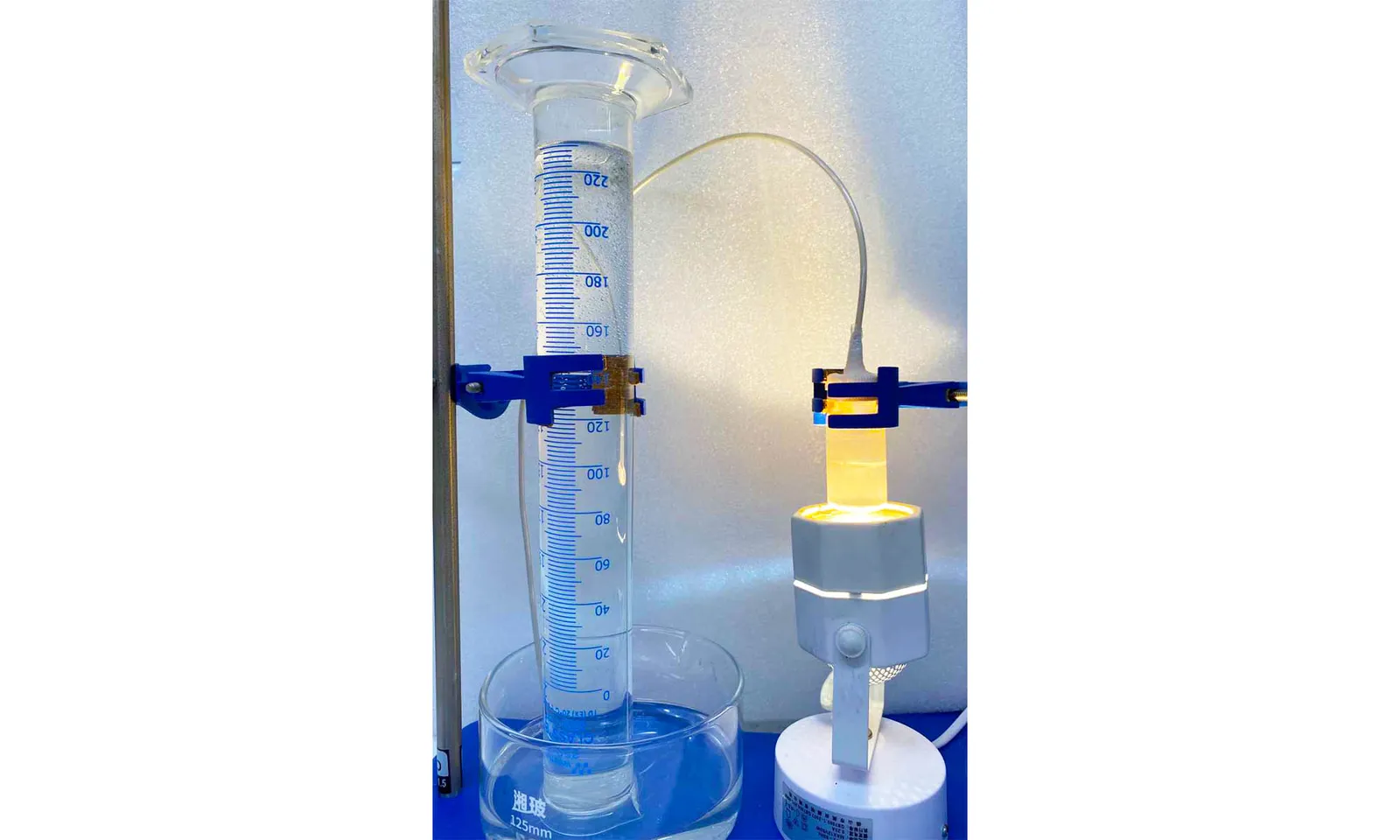
Beyond its current efficiency, the value of this advancement lies in its shift in approach. The method demonstrates that it is possible to produce hydrogen without relying on complex infrastructure or limited inputs, using only three abundant or accessible elements: water, including seawater, light, and a reusable metal.
The team is already working to improve performance and move toward larger-scale systems. The goal is to determine whether this technology can evolve from a laboratory test to a viable industrial solution.