
Australia is building a giant power plant beneath the mountains, but its estimated cost soars to 12 times higher, reaching 15,000,000,000 €.
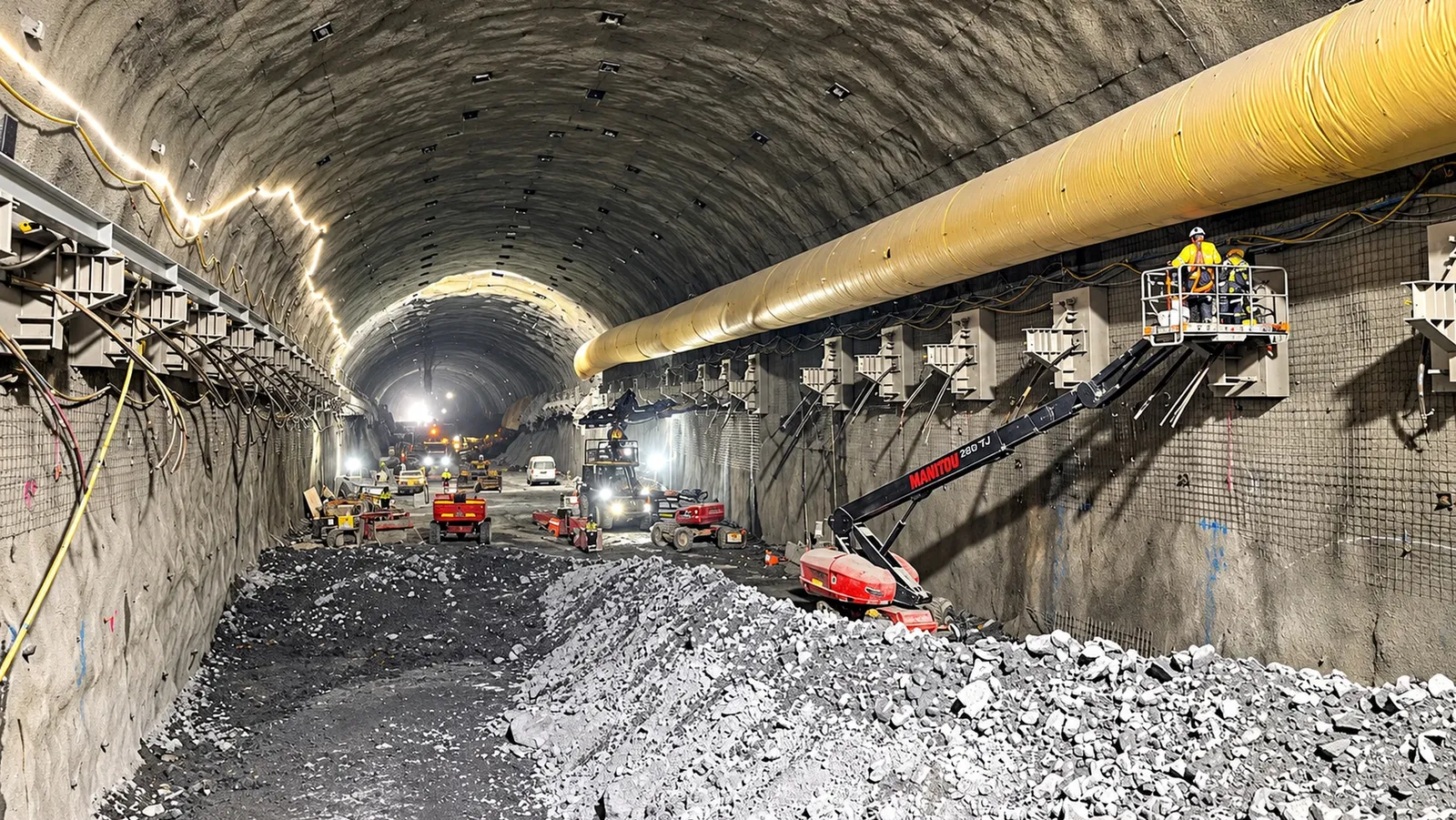
Australia is building one of the world’s largest energy storage infrastructure projects, but the initiative has also become an example of the challenges that can arise with large-scale engineering projects. The massive Snowy 2.0 hydroelectric plant, located beneath the mountains in the southeast of the country, could end up costing as much as 15 billion euros, roughly twelve times more than initially estimated.
The new estimate represents another significant increase in the budget for a facility that construction began on in 2019 and was supposed to become operational several years earlier than currently planned. Its full commissioning has been delayed until the end of 2029.
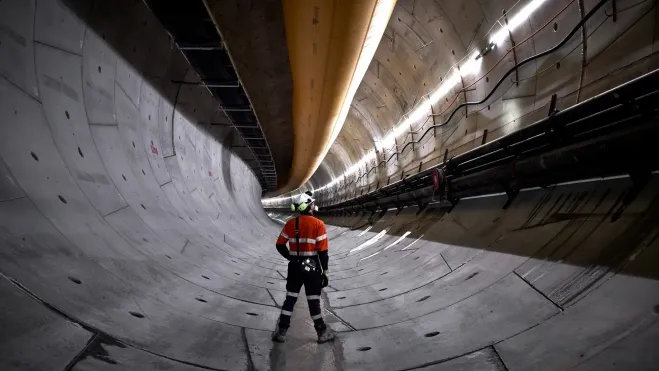
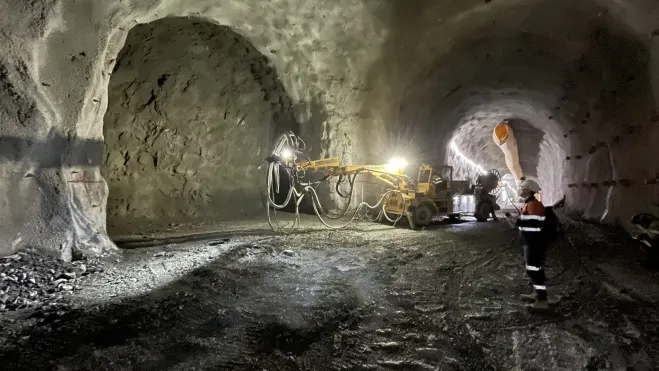
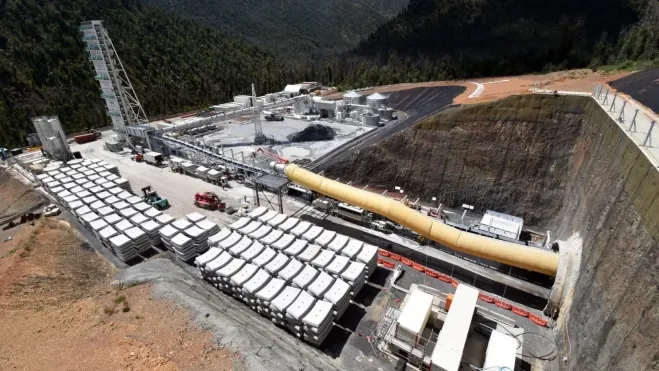
Behind these figures lies an extraordinary engineering feat: an underground power plant, dozens of kilometers of tunnels dug beneath the mountains, and a system capable of storing enormous amounts of electricity using only the movement of water between two reservoirs.
A giant water battery hidden beneath the mountains
Snowy 2.0 is located in New South Wales’ Snowy Mountains and aims to expand the historic Snowy Mountains Scheme hydroelectric complex, one of Australia’s most important energy infrastructure projects.
The project will connect two existing reservoirs, Tantangara and Talbingo, through a network of tunnels approximately 27 kilometers long. Inside this network, a large underground hydroelectric plant is being built, equipped with reversible turbines that can both generate electricity and pump water into the upper reservoir.
Its operation will be similar to that of a giant battery. When there is an abundance of electricity from solar or wind farms and prices are low, the facility will use that energy to pump water uphill. Later, when demand increases, it will allow water to flow down through the turbines to generate electricity and feed it back into the grid.
The future facility will have a generation capacity of up to 2,200 MW and an energy storage capacity of 350,000 MWh, equivalent to 350 GWh. According to Snowy Hydro, this latter figure is comparable to the combined capacity of approximately 26 million household batteries.
The company claims that once completed, Snowy 2.0 will be able to supply enough electricity to power around three million homes for a week. This long-duration storage capacity is precisely one of its main advantages over other technologies.
From 1.200 to 15,000 million euros
The main problem with Snowy 2.0 lies not in its technological approach, but in the extraordinary increase in its costs and the successive delays that have accumulated since it was announced. When Australia’s then Prime Minister Malcolm Turnbull introduced the project in 2017, the initial budget was around 1.2 billion euros. The original plan called for it to become operational by 2021.
However, development began to face significant difficulties. By 2023, after several years of work, the estimated cost had risen to about 7 billion euros, and the completion date was pushed back to 2028. The latest revision published by Snowy Hydro now sets the budget target at approximately 13 billion euros. The company also considers a scenario of up to 15 billion euros to address potential contingencies.
This means the estimated maximum cost is about twelve times higher than the initial budget announced. However, this is not a final figure—it represents estimates of the total cost for construction and commissioning. Factors contributing to the increased cost include complex geological conditions, difficulties in tunnel excavation, productivity issues, and rising costs for materials, equipment, and labor.
Over 5,000 workers and construction will continue until 2029
Despite the delays, Snowy 2.0 is still making progress. The latest official update indicates that 65% of the excavation using tunneling machines has been completed, along with approximately 90% of the large underground caverns. Additionally, the company states that 96% of the construction design is finished, up from 44% when the project was reviewed in 2023. This progress should offer greater predictability for the remaining work, although technical and financial risks still exist.
Currently, over 5,000 people are working at the various sites of Snowy 2.0. Construction of the underground power plant has already begun, with one of the tunneling machines having completed 8.6 kilometers of excavation work so far. Meanwhile, the Australian government continues to support this infrastructure despite rising costs. Its officials believe abandoning it would put at risk existing investments and delay the deployment of storage capacity deemed strategic for the power system.
According to an economic study commissioned by Snowy Hydro from consulting firm GHD, the project could contribute around 11 billion euros to the national economy during its construction and reduce wholesale electricity costs by more than 4.2 billion euros by 2075. These are estimates of future benefits, not savings already achieved.