
Although Toyota sells twice as many electric cars worldwide, there is a key market where it is not performing well.
02/11/2026 09:00
Updated to
02/11/2026 09:00
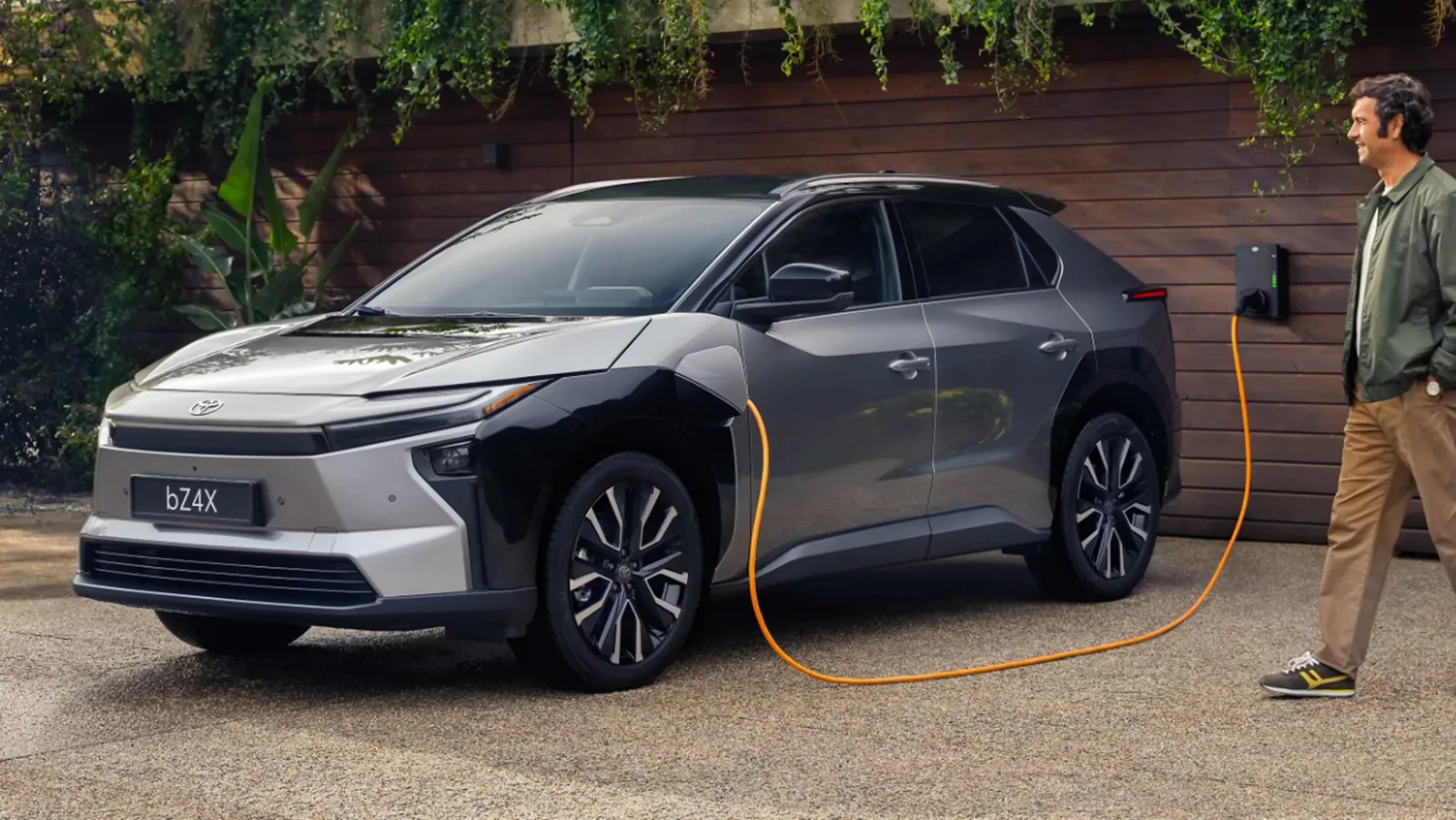
Toyota is facing a contradictory situation in its transition toward electric vehicles. The Japanese manufacturer, including its Lexus brand, sold 309,766 fully electric vehicles worldwide from January to September 2026, a 127.4% increase from the same period the previous year. However, its sales in China, one of its most important markets, dropped by 19.7% in September, marking eight consecutive months of decline. The company itself acknowledges that reduced demand for gasoline and hybrid vehicles is behind much of its commercial difficulties in this Asian market.
Toyota sells 127% more electric cars globally
Toyota's electric vehicle strategy is beginning to show significant commercial results after several years during which the Japanese manufacturer focused on hybrid vehicles.
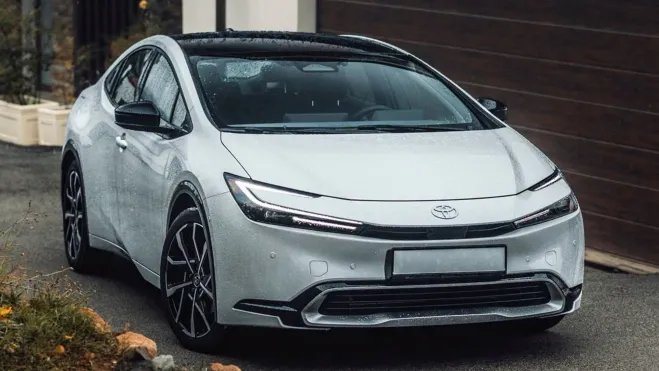
In the first nine months of 2026, Toyota and Lexus's global sales of pure electric vehicles increased by 127.4%, reaching 309,766 units. This growth is partly due to the refresh of models such as the Toyota bZ4X and Lexus RZ, as well as the introduction of new models like the C-HR+, Urban Cruiser, and bZ4X Touring.
However, electric cars still account for about 4% of Toyota and Lexus’s global sales, so their growth starts from a relatively small base.
In Europe, the trend is also positive. Toyota Motor Europe reported 104,832 electric cars sold by September, a 136% increase, within its broad sales territory that includes countries outside the European Union.

China becomes Toyota’s biggest problem
The situation is very different in the Chinese market. In September, Toyota and Lexus sold 19.7% fewer vehicles than a year earlier, marking their eighth consecutive month of decline.
From January to September, cumulative sales were slightly above 1.05 million units, a 18.9% decrease. Toyota itself acknowledges that rising gasoline prices have weakened demand for conventional internal combustion engines and hybrid vehicles.
Meanwhile, local manufacturers such as BYD, Geely, and other competitors are expanding their offerings of electric and plug-in hybrid vehicles with increasingly competitive prices and technologies. As a result, Toyota has sold more vehicles in Japan than in China during the first nine months of the year.
Toyota needs to accelerate its transformation in China
China’s declining sales performance is also affecting global results. In September, Toyota and Lexus’s worldwide sales dropped by 2.2% to 860,107 units, marking three consecutive months of decline.
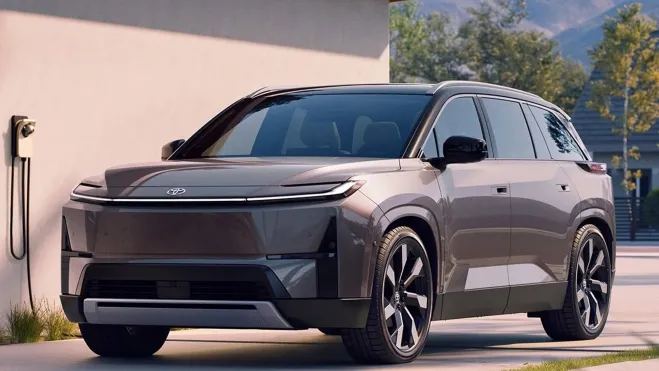
To regain ground, Toyota is accelerating the development of electric vehicles tailored for China through its local partnerships with GAC and FAW. Additionally, the company is building a new Lexus factory in Shanghai, where it plans to adopt industrial techniques such as gigacasting to reduce costs and speed up production.
The paradox is clear: while hybrids continue to drive Toyota’s sales in markets like the United States and Europe, they can no longer sustain its market position in China.
The growth of its electric vehicles shows that the brand is making progress in this technology, but it still needs to significantly increase its volume to offset the loss of buyers for its traditional models.