
Audi has to pay its customers to keep their electric cars.
Undoubtedly, it's a challenging time for dealerships when it comes to electric cars. Sales are rising, but technology is also advancing rapidly, causing cars that are four or five years old to become quite outdated. That's exactly what's happening in the United States right now, where Audi has launched a very unusual campaign to try and reduce the number of electric cars returning to dealerships.
The reason is related to one of the major problems facing the electricity market today: the sharp drop in the value of used cars. Leasing contracts signed three or four years ago were calculated using residual value projections that, in many cases, are now far from current market prices. When those cars return to the dealership, the difference can become a significant problem for the brand.
Audi has decided to act before a large portion of those vehicles return to their dealerships. Rather than waiting to receive them and then trying to sell them as used cars, the brand is offering substantial discounts to certain customers to buy the same car they already own. This approach can benefit all parties and also allows Audi to reduce its exposure to particularly high depreciation rates.
Discounts of up to $10,000 to keep the car
The campaign started in September and is aimed at American customers who own an Audi electric car and are nearing the end of their leasing contract. According to an email sent by Audi to dealers, the program called “Audi BEV Lessee Buyout Option Incentive” offers various discounts depending on the model.
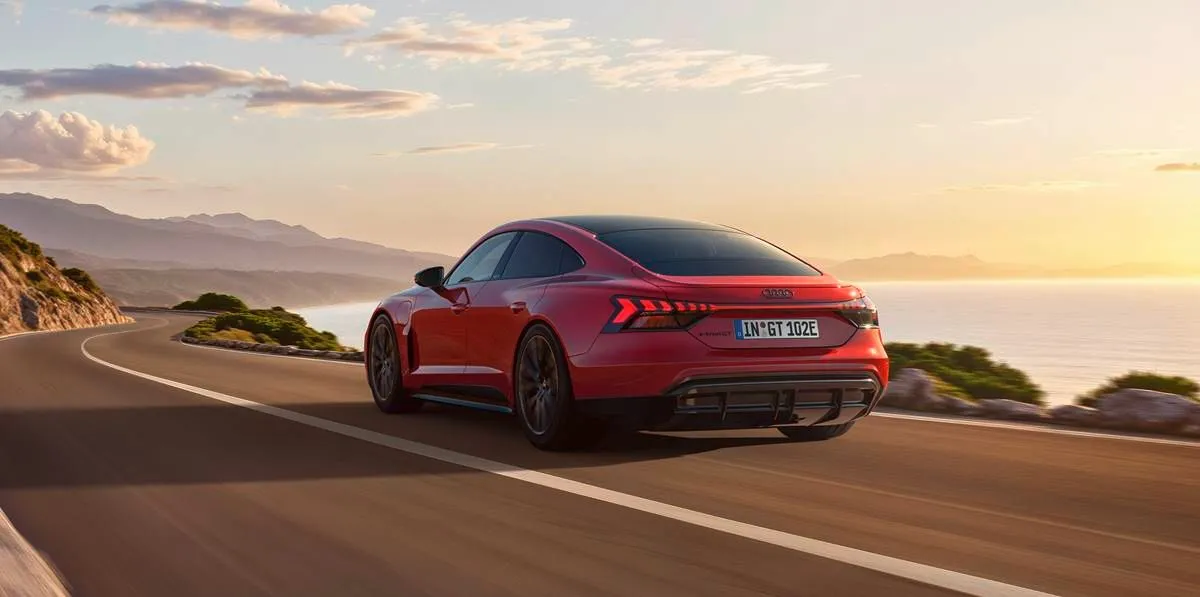
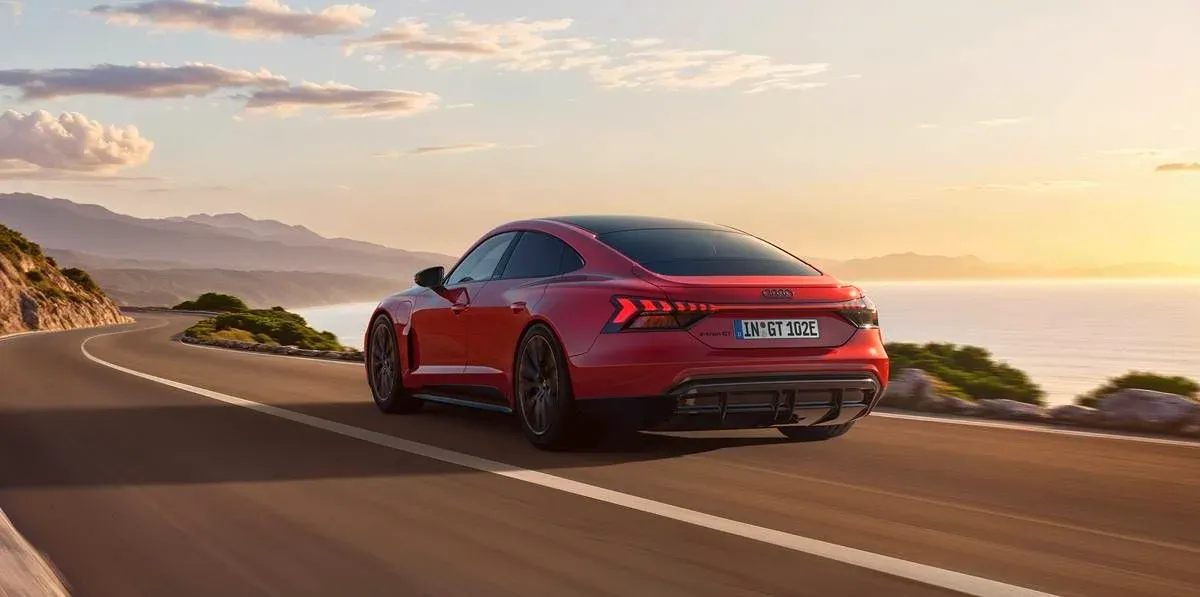
The Audi e-tron GT is the model that receives the largest incentive, with a discount of up to $10,000, or about 8,770 euros at current exchange rates. The customer can apply this amount to the purchase price specified in their leasing contract if they decide to keep the car at the end of it.
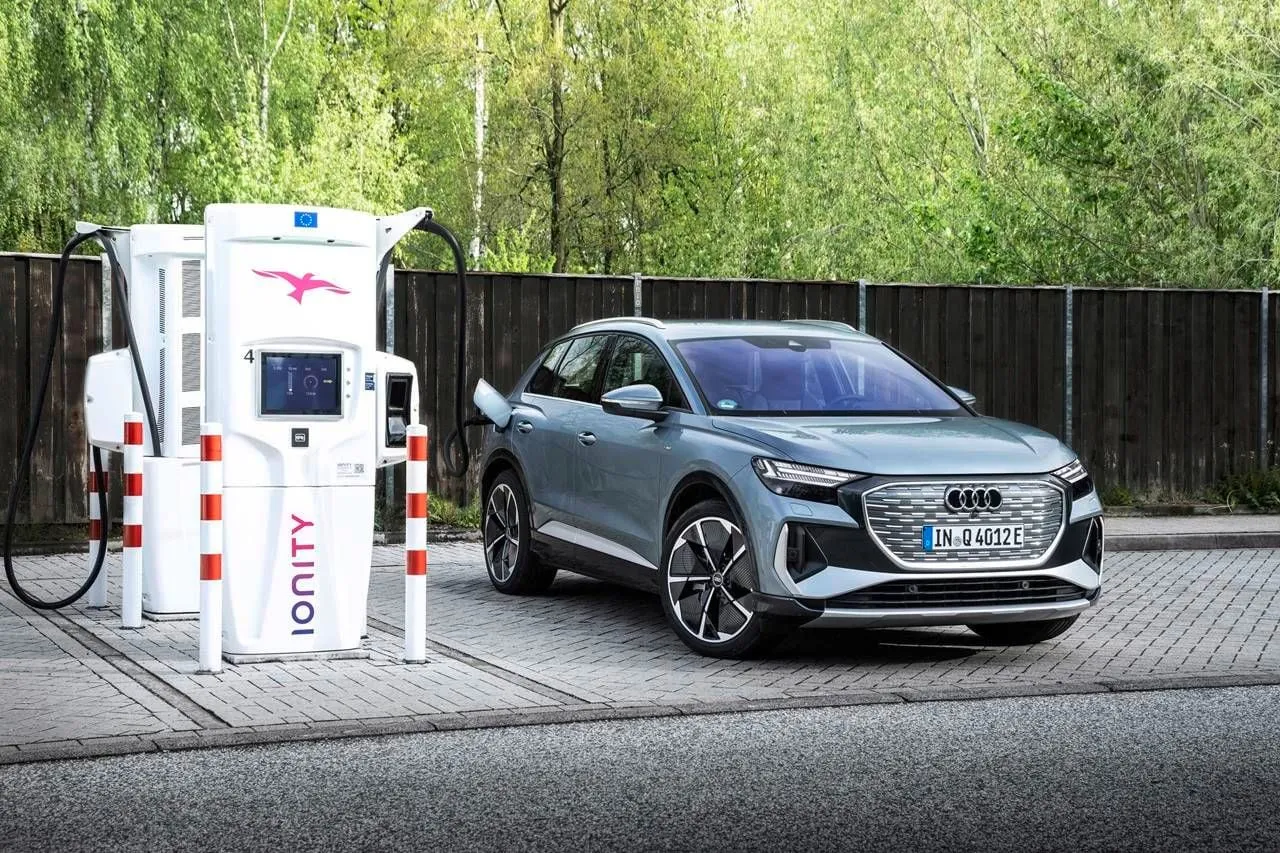
For the Audi Q4 e-tron, the discount amounts to approximately $5,000, or about 4,385 euros, while the Audi Q8 e-tron comes with a discount of $4,000, roughly 3,508 euros. Additionally, the discount on the Q4 e-tron has increased from the $3,000 initially offered by Audi during the summer.
Audi has also reserved an incentive for dealers. For each purchase transaction completed under the program, the distributor receives an additional $500. This gives dealers another reason to facilitate the transaction: they can sell the car already assigned to a customer and avoid having to take it in, refurbish it, and then find a buyer on the used market.
The transaction has another unique feature as well. The customer already knows the car very well, including how it functions and its condition, so they don’t need to start from scratch with a different model. For Audi, this helps keep that customer within the brand and prevents a vehicle whose residual value has dropped significantly from ending up directly in the used market.
And that is precisely one of the keys to this entire movement. Audi isn’t reducing the price of a new car to boost sales, but rather of a car that has already been sold under a leasing agreement and could become a financial problem when returned to the dealership.
The situation becomes clearer when looking at what’s happening with some of the more expensive electric models. The Audi RS e-tron GT is a particularly striking example: units that originally cost around 120,000 euros can now be found in the United States for less than 48,000 euros, even with relatively low mileage.

The difference is enormous and highlights the problem faced by leasing contracts signed when it was expected that these cars would retain a much larger portion of their value. If the manufacturer now recovers a vehicle whose resale price was calculated years ago, it may find that the market is willing to pay considerably less for it.
In that scenario, offering several thousand euros to the customer to keep the car can be a much simpler alternative. Audi reduces the number of vehicles returning to its dealerships, avoids some of the losses associated with their subsequent sale, and keeps the customer within the brand.
The Q8 e-tron case also has a unique aspect. Audi stopped selling this model in the United States over 18 months ago, so a customer who now ends their contract does not have an electric replacement with equivalent size and design in the current U.S. lineup.
This makes the incentive an even more attractive option for some customers. Instead of returning the Q8 e-tron and looking for another model, they can purchase the same car they are already familiar with at a discount on the buyback price specified in their contract.
Audi’s situation reflects an increasingly obvious problem in the electric vehicle market: the severe depreciation of certain models, especially premium ones, is rendering the residual value estimates made just a few years ago outdated. Rapid technological advancements and discounts on new cars have further complicated matters, making it more profitable for Audi to encourage customers to keep their existing vehicles rather than having them recycled and tried to sold later in the used market at much lower prices.