
Listen up: an electric version of the failed Audi Ressuscite, a Tesla Cybercab trapped by a pedestrian, a Dacia Spring under 12,000 euros, and China cutting its subsidies for electric cars… Welcome to Regen No. 81
Too busy? Regen summarizes the key electric vehicle news for you every Sunday in just a few lines.
New Electric Cars and Announcements
The biggest announcement this week comes from Romania, manufactured in Slovenia. The new generation of Dacia Spring uses the Twingo platform, offers 250 km WLTP range, starts at 17,900 €, and drops to as low as 11,720 € with the maximum subsidy.
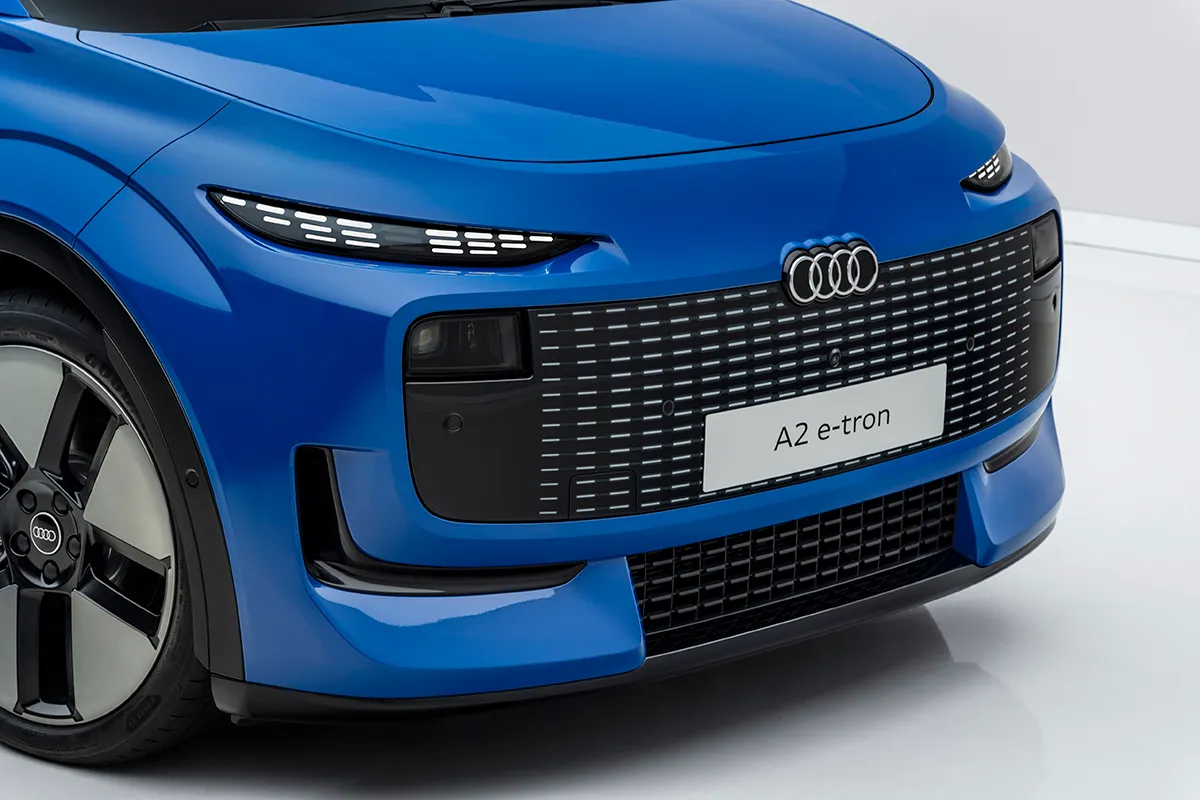
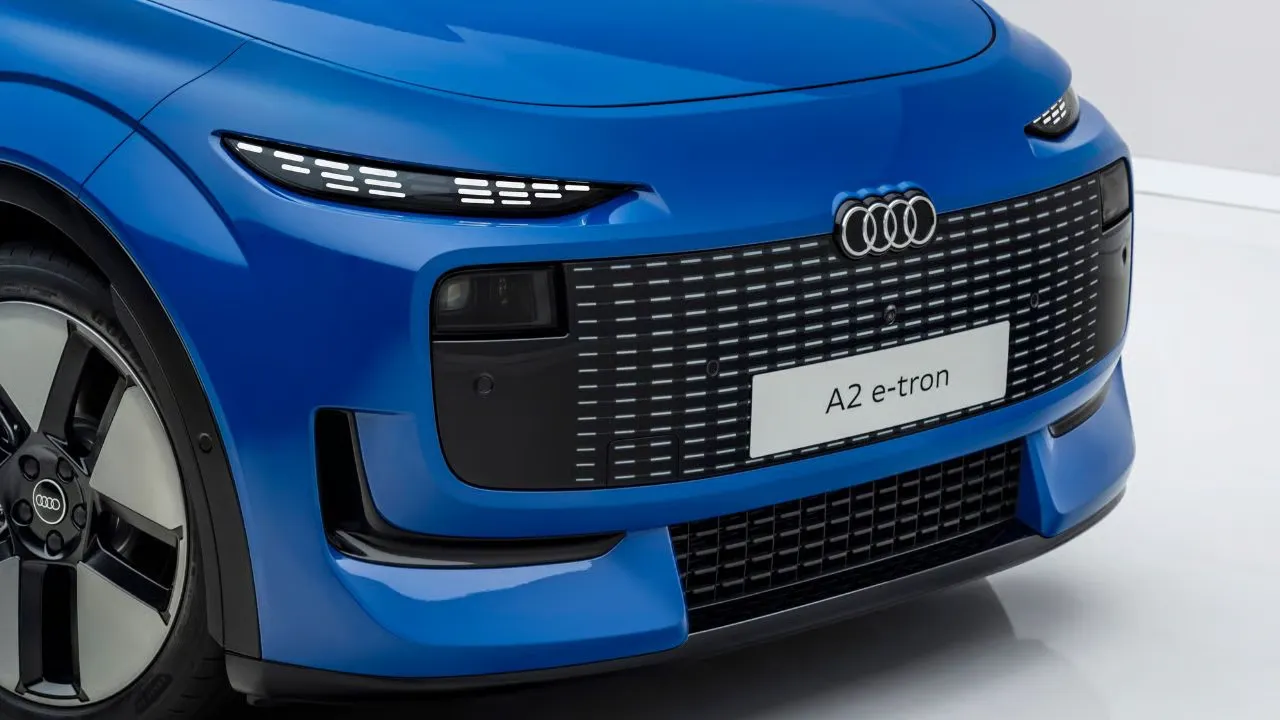
Another major news item this week falls into a different category: Audi is bringing back the A2 in an e-tron electric version, that small aluminum monospace everyone thought was better left forgotten (I don’t know why either—personally, I liked the concept of a compact urban monospace).
At Mercedes, the electric monospace VLE is available for order starting at 82,344 euros, with a 115 kWh battery. With additional options, the price exceeds 130,000 euros. Sure, it’s a Merco, but it’s still a bit steep for a van.
Nissan has found a way to refresh its lineup without much effort: by borrowing from Renault. After the Micra based on the R5 platform, here’s the Pixo, derived from the Twingo, unveiled on September 23. One colleague even suggests taking this logic to its extreme with a Nissan Cube based on the Renault 4. Would you sign on?
Instead of replacing them, Volvo is giving the EX40 and EC40 a significant refresh, featuring a 11.2-inch central screen and the introduction of Gemini. The XC40 they’re based on dates back to 2017, showing impressive longevity in these turbulent times.
I misread it; I thought Polestar was going into Formula 1. Far from it—the Swedish-Chinese manufacturer reveals a glimpse of the Formula 2030 concept, which previews the style of the next Polestar 2 and the future Polestar 7 SUV. From what we can see, it’s beautiful but doesn’t stand out much from the current lineup, which is already quite desirable.
Industry, Economy, and Regulations
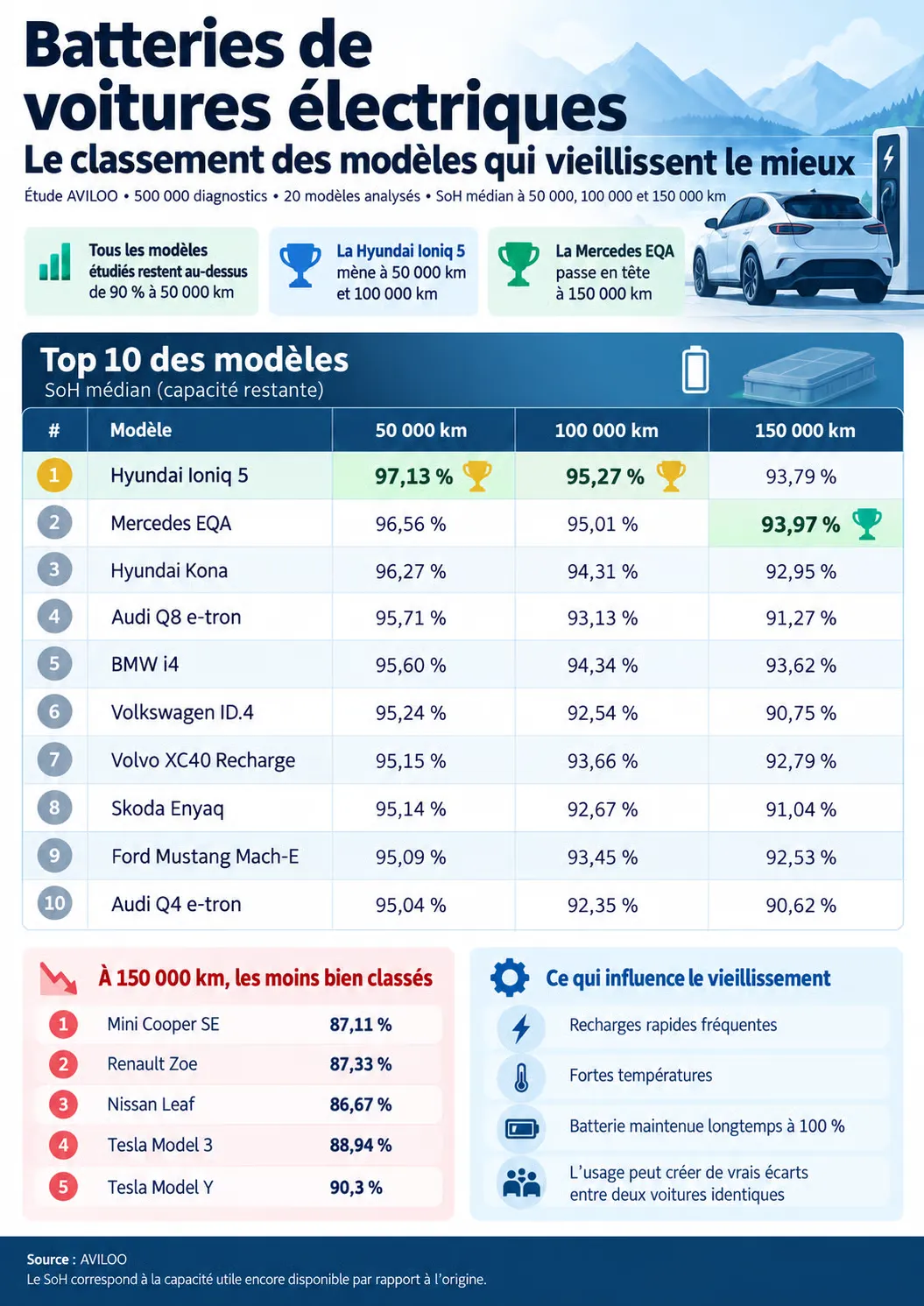
The striking figure that partly explains the rush toward electric vehicles, new or used.
Good news on this front: the industry is committed to displaying battery health status on used electric vehicles. This is likely the most useful measure introduced this year to reassure buyers.
In Wolfsburg, there are problems for the rich: Volkswagen Group’s new electric vehicles are selling too well. The ID.Polo, Skoda Epiq, and Cupra Raval have received tens of thousands of orders, stretching delivery times. Who would have thought a 25,000 euro electric car could still find buyers?
On the geopolitical front, Beijing is asking its automakers not to bring their price war to Europe, as the domestic market has already significantly eroded their profits. Meanwhile, China is starting to remove tax incentives for electric vehicles, introducing a battery tax and cutting purchase exemptions in half.
Stellantis, which seems determined to build partnerships with Chinese firms, is said to be in talks with Huawei and JAC to save Maserati. The purists have long moved past the PLS model.
The upcoming arrival of such vehicles in our region is exciting! A Xiaomi SU7 equipped with numerous sensors was caught being charged in Alsace. The Chinese manufacturer continues its testing ahead of a European launch scheduled for 2027. Another prototype was previously spotted in Metz in February.
While Elon Musk makes promises, Xpeng takes action: the company has just opened a fully automated production line for its Iron humanoid robot, aiming for mass production by the end of 2026.
And speaking of Tesla, this video of a pedestrian deliberately blocking a Cybercab in Austin illustrates the limitations of robotaxis: programmed to avoid any risk, they stop immediately when their path is blocked. Without a steering wheel or pedals, it’s impossible to regain control...
Rechargeable hybrids are gaining in range but running on electric power less and less often. Batteries that keep getting larger yet remain rarely plugged in. Is this really the best of both worlds?
Regarding insurance, policies for hybrid and connected vehicles are evolving, with France Assureurs reporting an average 11% higher compensation cost for electric vehicles. The windshields packed with sensors play a role in this.
ZF is introducing kits to repair electric motors without replacing the entire unit. Worn-out tires should no longer mean having to replace an entire electric axle. Could electric cars soon be just as easy to repair (or tinker with) in one’s garage as those old-fashioned gasoline cars?
Horse Powertrain, the joint venture between Renault and Geely, unveils a rechargeable hybrid drive train designed for an SUV with over 1,100 horsepower. The Twingo does not confirm this information.
News on batteries and charging
The solid-state battery, long promised for five years away, is moving forward: ProLogium has started mass production of its cells in Taiwan.
At CATL, the CEO is concerned about the race to develop new models in China and calls for stricter battery regulations after several incidents.
In France, shared charging infrastructure is expanding rapidly, with over 18,000 buildings equipped by the second quarter—representing a 45% increase in just one year. When considering all 252,000 buildings with parking facilities, the rate is only 7.2%. There is still some room for growth.
In Düsseldorf, there are charging stations built directly into the sidewalks, made by Rheinmetall. They are very discreet, so they’re not always easy to find when looking for a place to charge.
For those who charge at home, here’s an overview of EDF’s Tempo option—it’s very advantageous during “blue nights” but problematic for electricity-powered households on “red days.”
Should you unplug your car when lightning is threatening? No major incidents have been reported to date, and fast charging stations come equipped with strong surge protectors. On the other hand, there’s still no news about a lightning strike that could fully charge your car in a nanosecond. But what are engineers doing?
Pro Tips
A major announcement in road transport: Vinci and its partners are investing 90 million euros in heavy truck charging stations. About twenty sites equipped with MCS technology are designed to extend a truck’s range by 4 hours and 30 minutes within 45 minutes, matching the duration of the driver’s mandatory break. The first such station will open in Vierzon this autumn.
Bluebus is coming to an end as Bolloré Group shuts down the service after 15 years and nearly 700 buses delivered, never reaching a critical scale. The two fires in Paris in 2022, which kept RATP’s 149 buses in storage for two years, clearly had an impact.
V2G is starting to gain momentum: in Germany, Enercity uses twelve Volkswagen ID.Buzz vehicles from its own fleet to store electricity and then feed it back into the grid when it’s profitable to do so.
Finally, a little curiosity (and a detour from our usual topics): Renault unveiled the Niagara, a pickup designed for Latin America. It will launch with a flex-fuel engine, followed by a hybrid version, but never an electric one.
This Week’s Figure
12,000. That’s the price in euros for the cheapest version of the new Dacia Spring.
This Week’s Infographic
That’s all from me for today. See you next Sunday for another issue of Regen!