
Audi launched an electric car brand in China to compete in the market, and now it has a problem at home.
22/09/2026 13:00
Updated to
22/09/2026 13:00
Add Hybrids and Electrics as Google’s preferred source for free.
Stay informed with the latest news updates.
Activate now
To keep up with the rapid pace of Chinese brands and fierce local competition, Volkswagen Group made what some would call a bold decision: creating a dedicated division focused on Chinese customers in partnership with SAIC, one of the leading manufacturers in that Asian giant.
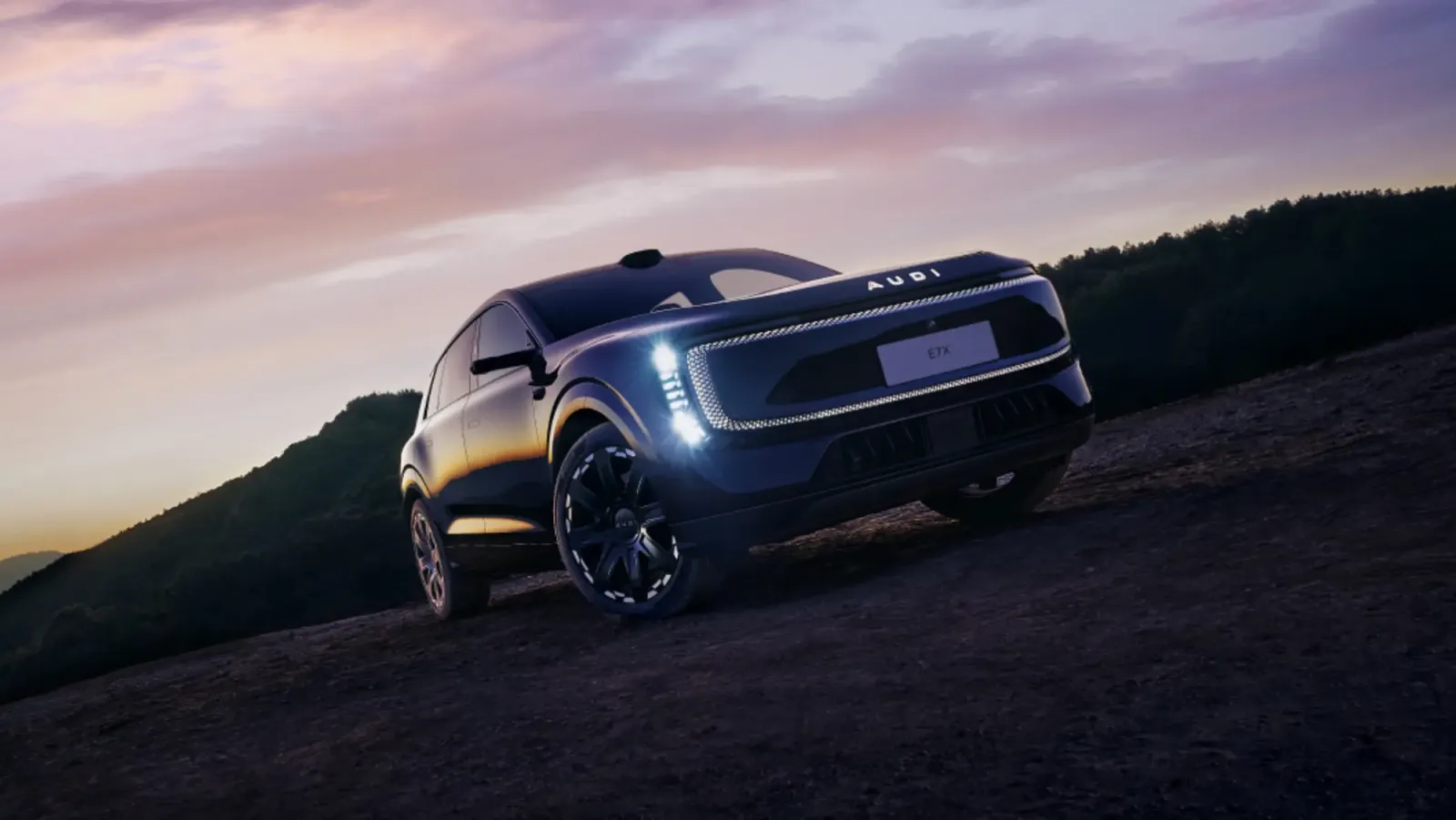
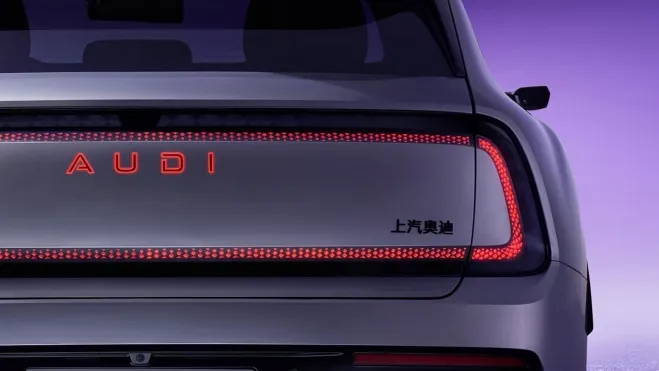
The new brand abandoned the iconic four-ring logo in favor of displaying the name “AUDI” in uppercase, alongside a range of 100% electric vehicles designed from scratch to meet that country’s technological demands. However, the brand has encountered an unexpected situation: the regional models have ended up crossing borders.
An unofficial entry that raises alarms
What started as a project focused solely on the Chinese domestic market has unexpectedly ended up in the European market. The German independent importer Auto China began introducing to Germany units of the E5 Sportback and E7X models, developed under the Asian sub-brand. Through separate processes for individual homologation and registration, the company sold these vehicles within the territory of its parent company.
Audi’s response was swift. The company has filed legal actions against the importer to prevent these models from entering European territory. Official sources from the manufacturer confirm that legal proceedings have been initiated to protect its distribution rights and define the markets intended for each vehicle. As a result of this conflict, the importing company has removed the affected models from its lineup.
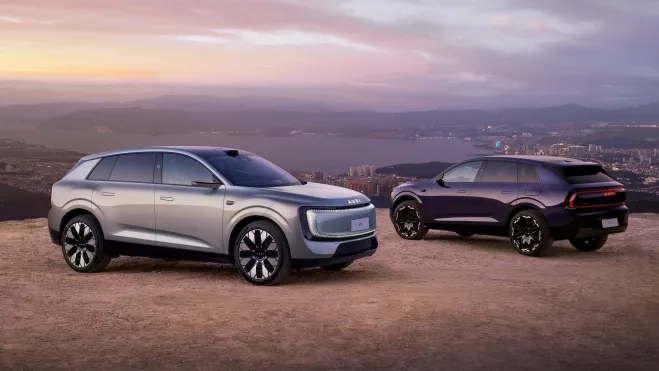
Beyond licensing disputes or the protection of official sales networks, there are complex technical factors that explain the manufacturer’s firm stance. AUDI models are built on a software architecture, connectivity, and diagnostic systems that differ significantly from those used in the European e-tron lineup.
An official workshop or dealership in Europe lacks the diagnostic tools, repair manuals, and specific parts needed to service a vehicle designed according to Chinese market standards. In the event of a problem with the high-voltage system or a software malfunction, the customer would be left unprotected because the European network cannot provide warranty coverage or support for these products outside their home market.
A strategic dilemma regarding global technological development
This situation highlights an underlying challenge in the electric vehicle industry. The lineup created for China stands out for its high performance, propulsion systems with up to 579 kW of power, and next-generation digital platforms at highly competitive production costs.
The interest of some European buyers in importing these units reflects how demand is beginning to show tangible differences between the technological offerings intended for China and those available in the European market. The decision to pursue legal action resolves the legal gap, but it leaves an important debate open for the future of global brands: how to harmonize technological advancements and development cycles across different regions without altering their positioning or business structure in their home markets.