
Audi is taking action against the direct import of its electric vehicles from China
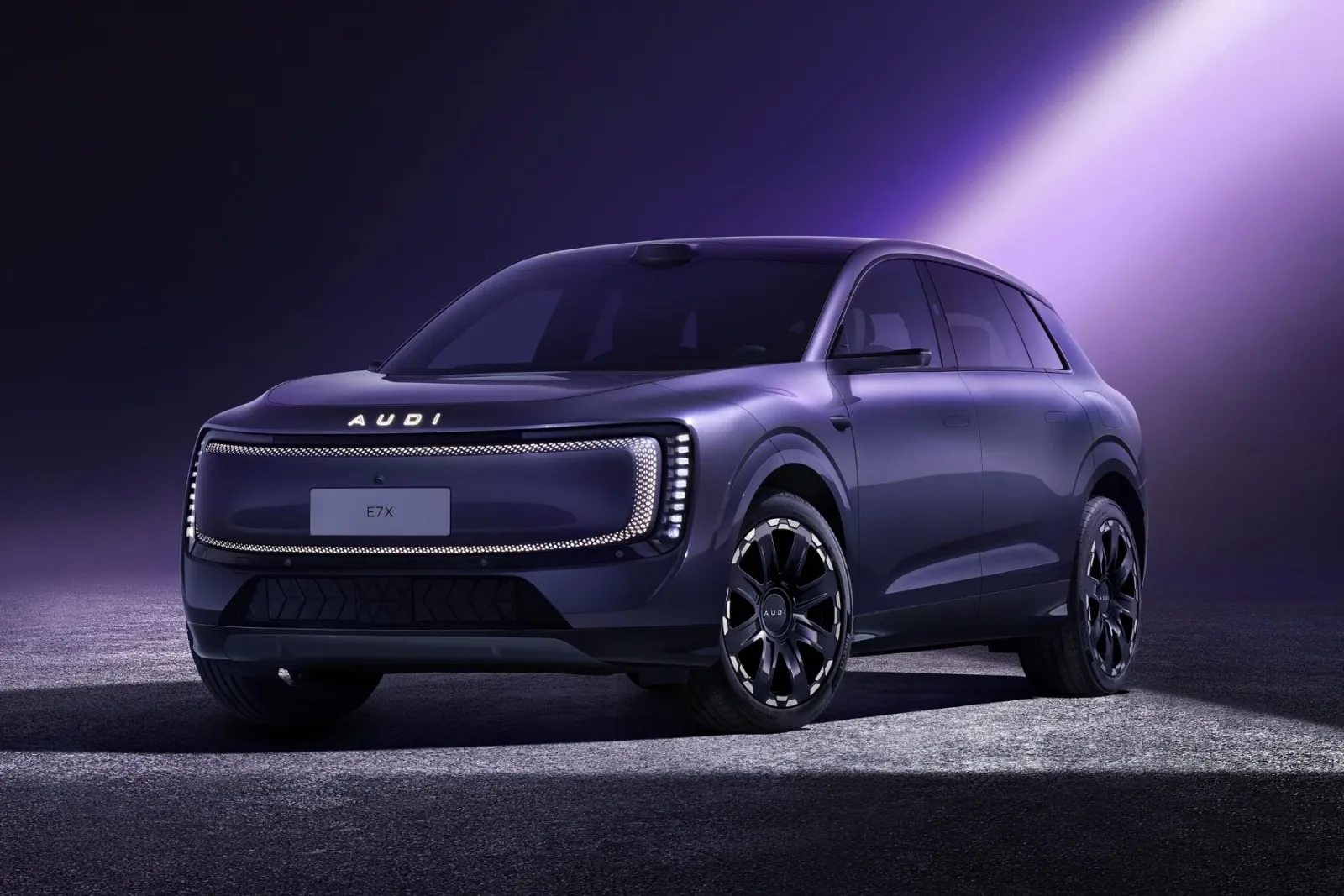
Audi is taking legal action against importer Auto China to prevent the company from importing Chinese versions of its AUDI models. Specifically, the dispute concerns the electric vehicles E5 Sportback and E7X developed for China, which are identifiable by the absence of the ring logo.
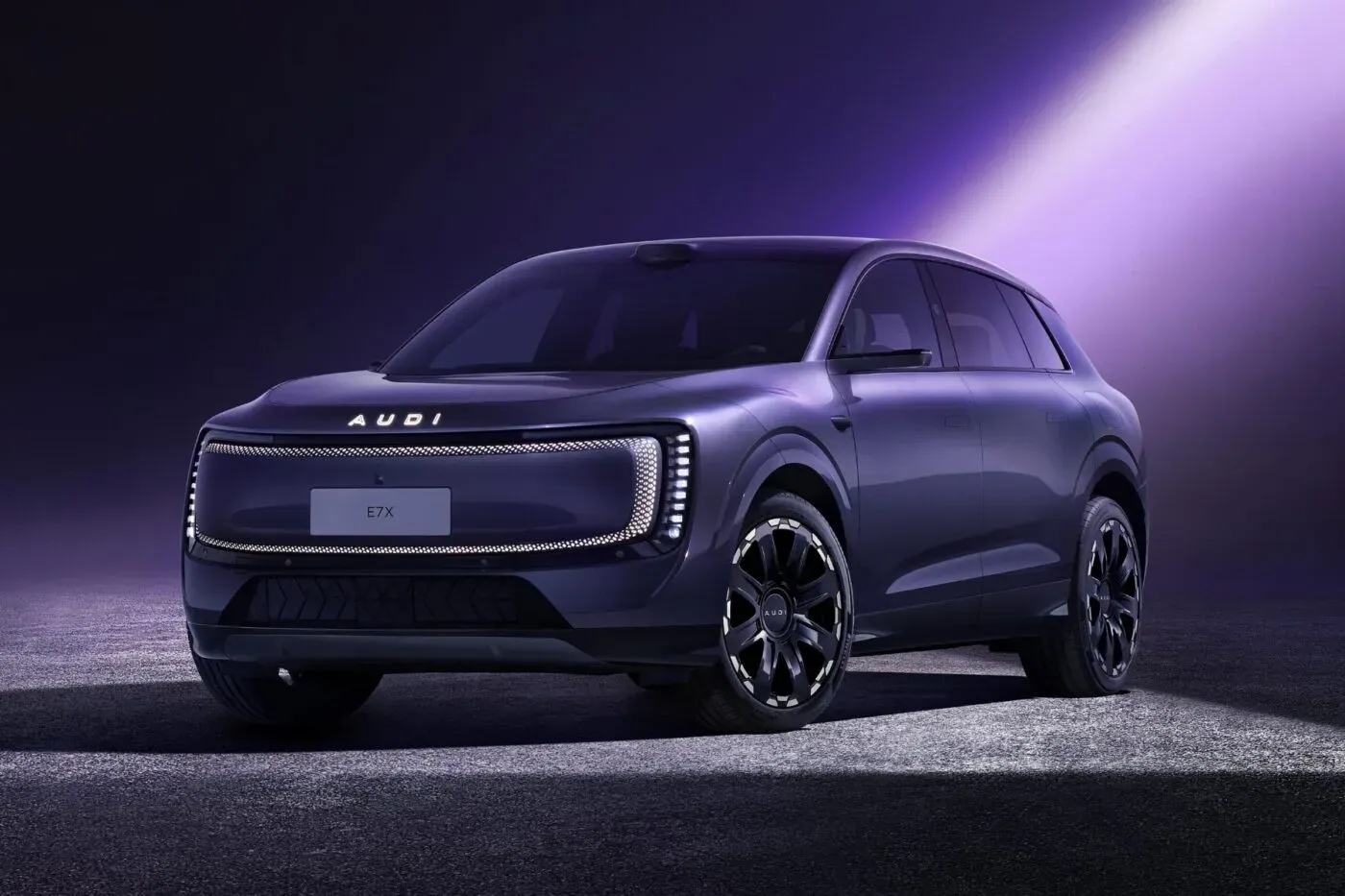
The AUDI E7X, as it was recently launched in China.
Image: Audi
In August, it was reported that through the importer Auto China, the two electric models AUDI E5 Sportback and AUDI E7X are now available on the German market as well. This was done without Audi’s official import permission. Initially, Auto China seemed to get away with it, but the company in Ingolstadt has had enough now: “We have taken legal action against the importer and will firmly enforce our rights,” a company spokesperson said to Automobilwoche. Although Audi does not want to explain what specific measures will be taken during the process, they are already having an effect: the AUDI models are no longer listed for sale on the importer’s website.
In addition to AUDI models, Auto China still offers vehicles from Chinese brands such as Xiaomi, Zeekr, SAIC, Maextro, and Jetour for the German market. Notably, in addition to AUDI’s electric vehicles, those from Li Auto have also disappeared from the website. This shows that the business of direct importers is delicate. Several companies have been promising to bring China-specific electric vehicles to Europe for some time now, but they often lack official permission. Whether and how long their parallel imports will be tolerated by the manufacturers is akin to playing a game of chance. In April, Volkswagen won a legal battle against an importer of the Chinese ID.6 Crozz model.
With Auto China, one of these players was now the first to aim at importing AUDI vehicles—a brand known for being created solely for China and lacking its classic ring logo. Specifically, Auto China offered the two electric Audi models, the E5 Sportback and E7X, for the German market. The importer set a price of 59,980 euros for the E5 and 72,900 euros for the E7X. As Automobilwoche reported in August, “internal sources at the importer say there is strong interest in these models, with some units already sold.” The E5 Sportback has reportedly been spotted in Hamburg and Frankfurt as well.
Audi itself remained cautious regarding parallel imports according to the report: “The vehicles developed and produced under this joint venture are specifically tailored to the specific needs and requirements of our Chinese customers and are designed exclusively for the Chinese market,” a spokesperson said at the time to Automobilwoche. The Ingolstadt-based company did not initially outline any concrete measures against parallel imports or express criticism toward them. This situation has now changed significantly, albeit with a one-month delay.
Auto China is just one of many players aiming to turn the import of Chinese electric vehicles that are not yet available here into a business. The Chinese e-commerce platform China EV Marketplace and the portal Autohelden also allow European customers to buy road-legal electric vehicles and plug-in hybrids directly from China and have them delivered home.
The new development is that customers no longer have to handle customs clearance themselves with the initial suppliers and pick up the electric vehicle at the port. This used to require a lot of effort, but now some platforms take care of it. However, there are also several drawbacks to consider: the imported vehicles are built to Chinese specifications — they all use the Chinese charging standard GB/T instead of the CCS connector commonly used in Europe. Although they can be charged at CCS charging stations using an adapter, this may affect charging performance. Additionally, the relatively low prices in China cannot be transferred 1:1. Import costs naturally increase due to factors such as transportation, EU homologation, and customs duties.