
Audi A2 e-tron: developed almost two years faster
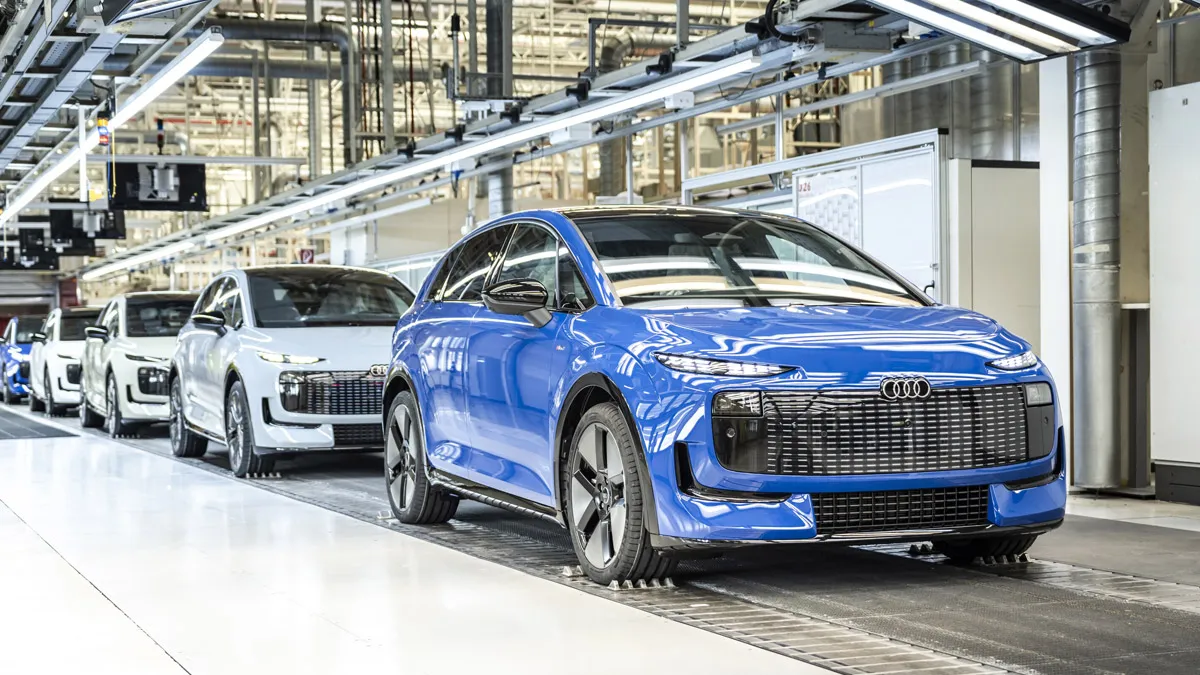
The Audi A2 e-tron is now rolling off the production lines in Ingolstadt. What’s more interesting than this launch is how Audi managed to get the car there so quickly. The electric A2 reached production readiness 21 months faster than similar previous Audi projects. And that says a lot about the brand’s direction.
Audi A2 e-tron reached production line 21 months faster
Audi’s start on producing the Audi A2 e-tron isn’t particularly surprising. The model was officially unveiled recently, and the first units are set to reach customers this year. But behind this launch lies a much more interesting story.
Audi has significantly reduced the time required to move from developing a new model to mass production. For the A2 e-tron, the manufacturer claims this was achieved 21 months faster than in previous similar automotive projects. This does not mean, however, that the entire A2 e-tron was developed in just 21 months. Audi does not disclose exactly how much time the whole development process took. It is clear, though, that nearly two years were cut from the usual timeline. For a traditional European automaker, this represents a significant advancement.
And this acceleration doesn’t appear out of nowhere. European automakers are under pressure to respond faster to market changes. Chinese brands in particular have shown that new electric models can be developed and updated at a rapid pace. Audi CEO Gernot Döllner previously said that China and the United States are driving much of the technological advancement these days, leaving Europe behind. The A2 e-tron is meant to demonstrate that Audi can match that pace.
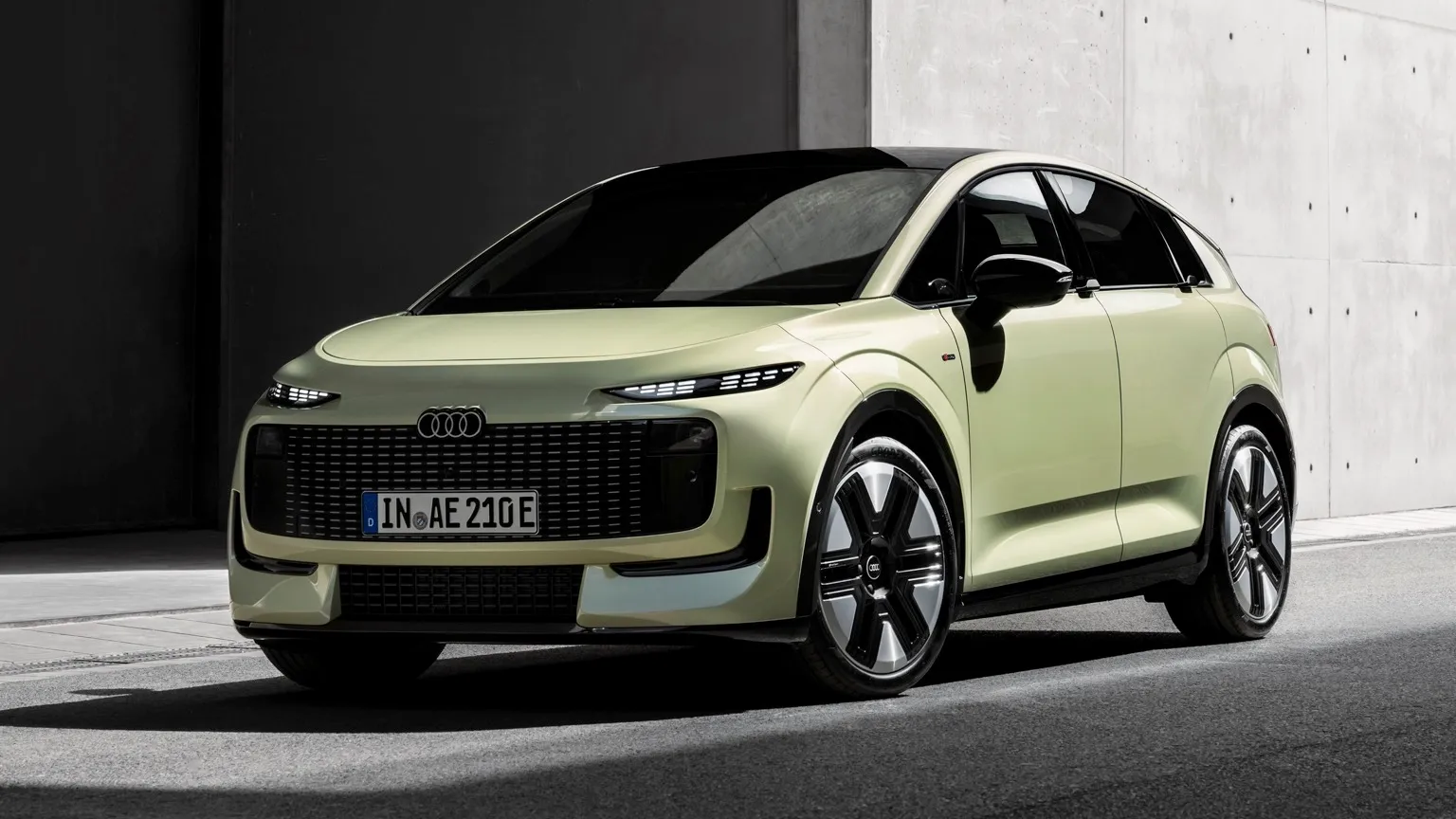
The Audi A2 e-tron was supposed to be less complicated
At Audi, faster development doesn’t simply mean assigning more people to the same project. The company has focused on making both the car and the production process less complex. As a result, the number of components relevant to production has been reduced, and there are fewer variants that the factory needs to account for. This might sound like boring factory jargon, but its impact is significant. The fewer component combinations there are, the simpler logistics and assembly become.
Audi therefore introduces the so-called “string-of-pearls” principle in Ingolstadt as well. Six days before an A2 e-tron is assembled, the order of customer orders is determined. This same sequence is maintained throughout the entire production process. As a result, suppliers know exactly in what order components are needed and can deliver them accordingly. Audi requires less storage space and does not need to reorganize components before sending them to the production line. It is certainly not a spectacular technique that owners of an A2 e-tron will ever see. However, for the cost and speed at which Audi can build cars, it can be quite important.
The new Audi is built in large part using existing machines
Perhaps even more interesting is that Audi did not simply set up a completely new production line for the A2 e-tron. The body of the electric A2 is manufactured in Ingolstadt alongside that of the Audi A3. For this purpose, Audi repurposes over 1,200 existing production tools, including welding equipment and about 250 robots that were previously used for other Audi models.
This reuse not only saves raw materials but also reduces investment costs. And that latter aspect is particularly significant for a relatively compact electric car.
An electric entry-level Audi must not only run efficiently but also be able to be built at acceptable costs. A completely new factory or production line makes this calculation much more difficult. Therefore, Audi is taking a different approach: making maximum use of what already exists and investing only where it truly yields benefits. In this way, the A2 e-tron is essentially as much an efficiency project for Audi itself as it is an efficient car for its future owner.
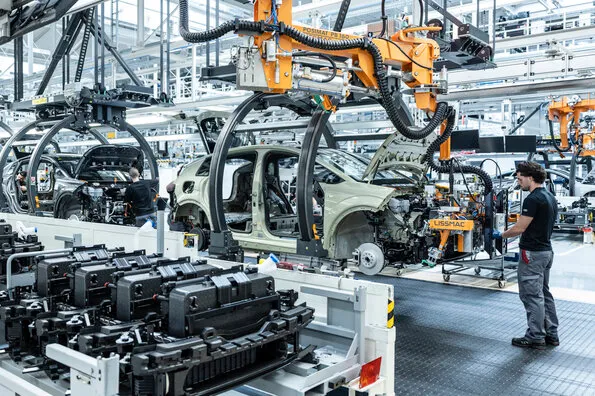
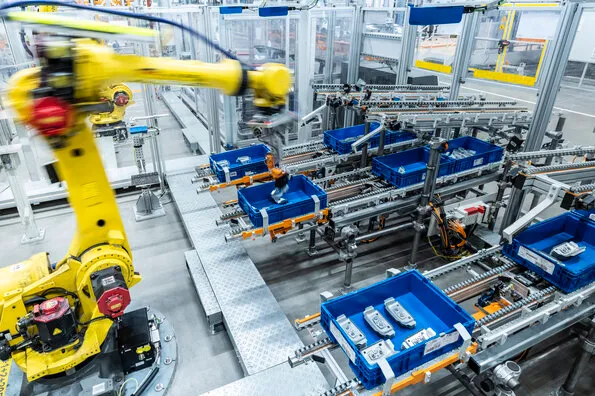
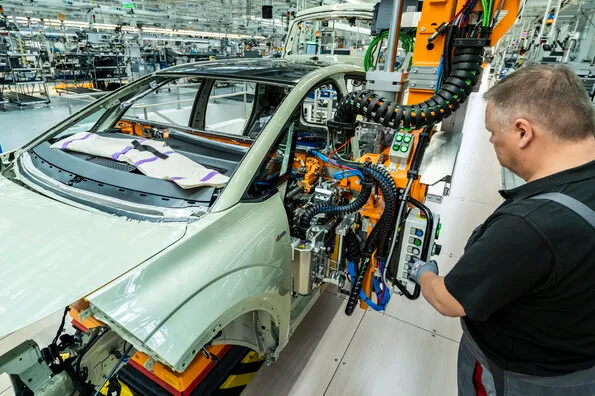
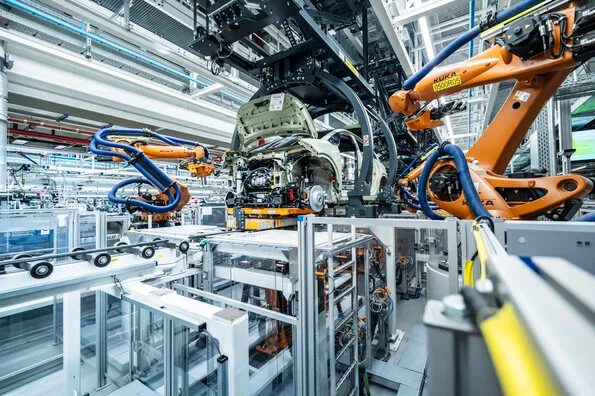
Meanwhile, automation continues to advance at Ingolstadt. The A2 e-tron is, for example, the first model for which Audi fully automates wheel installation at this location. Robots take over tasks that were previously performed with partial automation. Robots are also being used more intelligently in body building. With cameras and image recognition, they can identify small sheet metal parts from unordered bins, pick them up, and send them further along the production line.
In the IT area, too, significant changes are taking place. Audi uses its Edge Cloud 4 Production to centrally manage various applications. As a result, more than 450 industrial PCs along the assembly line are no longer needed. Additionally, AI assistants are employed to help workers search for information on production processes or assist maintenance teams in identifying faults. These are all relatively small changes, but together they aim to make the factory cheaper, faster, and more flexible.
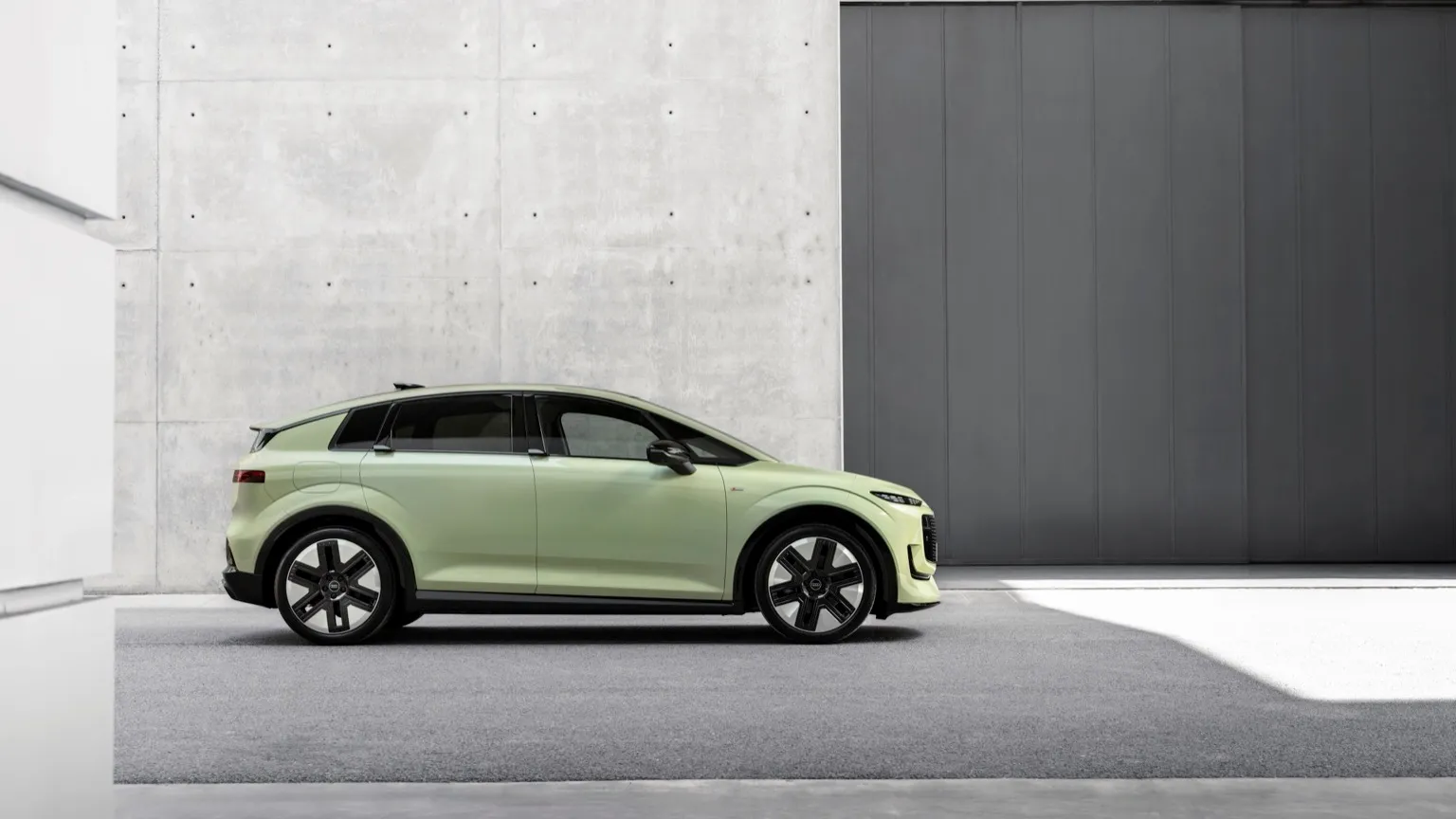
The A2 e-tron must primarily prove that Audi can act faster
That is ultimately the real news value of this production start. The A2 e-tron must not only be a new electric Audi but also a blueprint for a different way of developing and producing cars. This is not an unnecessary luxury for Audi. The European automotive industry is simultaneously trying to reduce costs, make electric cars more affordable, and speed up development. Chinese competitors, meanwhile, are not waiting around.
That is precisely why the A2 e-tron is an interesting experiment. Audi did not attempt to build a completely new production world around this car but instead used existing machines, robots, and production lines more intelligently. At the same time, the development process has been significantly shortened, with deliberate cuts to options and complexity.
The car itself must also make efficiency its hallmark. According to Audi, the most fuel-efficient version consumes 12.8 kWh per 100 kilometers under WLTP standards, with a maximum range of up to 646 kilometers depending on the version. This makes the A2 e-tron the most fuel-efficient production Audi to date.
Faster development is now the real test
For Audi, a 21-month time savings is a more impressive figure than the simple fact that the first cars are already rolling off the assembly line. At the same time, an interesting question remains: can European automakers truly increase their development pace significantly without compromising reliability, finish quality, or software performance?
Audi states that the A2 e-tron reached the desired level of maturity earlier in the pre-production phase. That sounds good, but we won’t get the real answer until the first production cars are driving with customers for an extended period.
For now, one thing is clear: at Audi, efforts are being made not only with the car itself but also behind the scenes to accelerate progress significantly.
Text by: Arjan Hordijk
Source: Audi