
All-Risks Insurance: Is It Really Necessary in 2026?
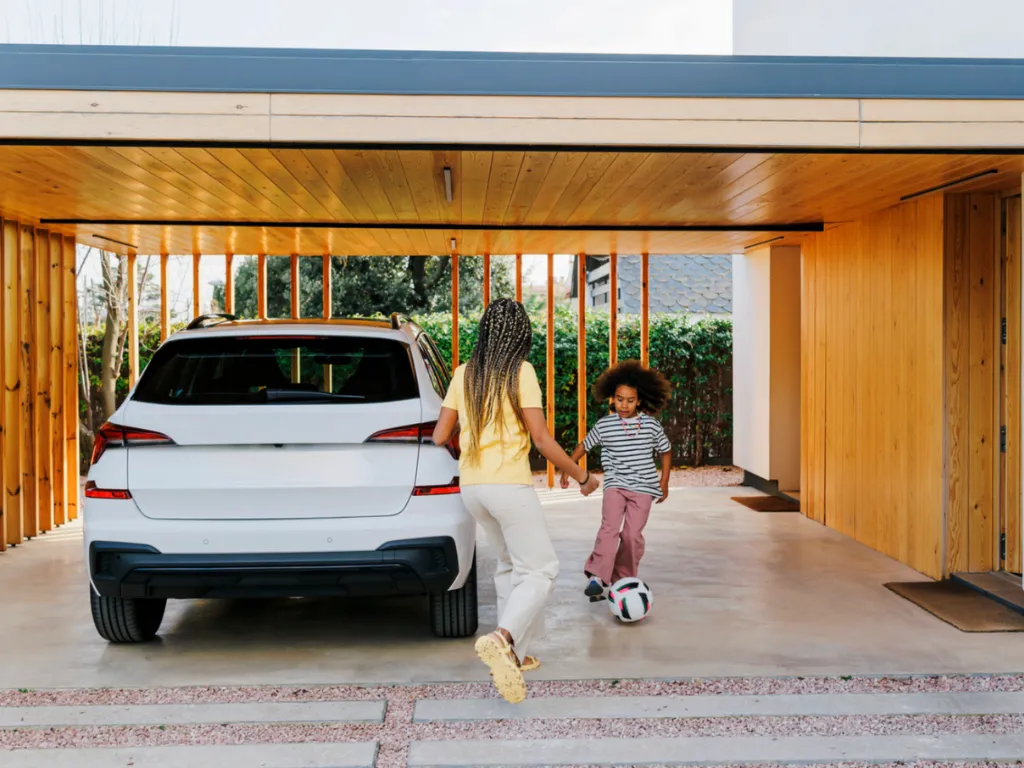

This is the most protective coverage option on the market, but also the most expensive. The difference between third-party and comprehensive insurance exceeds 400 € per year. So, is it unnecessary luxury or true protection? The answer depends far less on your budget than on the age and value of your car. Here’s a breakdown.
Third-party, extended third-party, comprehensive: a quick guide to avoid mistakes
Three types of contracts dominate the French market, and they are not in the same category.
Third-party insurance represents the legal minimum. It only covers damages you cause to others. Your own car remains your responsibility as long as you are at fault.
The extended third-party coverage adds useful protection benefits to the basic package: theft, fire, glass breakage, natural disasters, and sometimes roadside assistance.
Comprehensive coverage, on the other hand, compensates for damages to your own vehicle, even when the accident is your fault or no third party can be identified. It’s the only option that covers you if you accidentally hit a pole in a parking lot by yourself. A comprehensive car insurance policy generally includes theft, fire, glass breakage, vandalism, and weather-related events, along with enhanced roadside assistance. At L’olivier Assurance, you can view the details of what each coverage option includes online before getting a quote, allowing you to compare the scope of coverage rather than just the prices.
This distinction is far from theoretical: it determines who will pay for repairing or replacing your car.
The True Cost of All-Risk Insurance in 2026
Let’s look at the figures—they speak for themselves. According to comparison site surveys, the average price of third-party car insurance in 2026 is around 640 € per year, compared to approximately 1,050 to 1,115 € for all-risk coverage. The national average across all policies is around 750 € per year, an increase of nearly 8% over the past year.
These averages hide significant variations. An experienced driver with a 0.50 bonus can find all-risk insurance costing around 40 € per month. A young driver in an urban area will easily spend over 1,400 € per year on the same coverage. Geography also plays a major role: the PACA region has rates near 1,000 €, while Brittany remains around 675 €.
Remember especially the order of magnitude: switching from third-party to comprehensive insurance costs an average of 200 to 300 euros more per year. It is this additional cost that must be weighed against the value of your car.
Situations where comprehensive insurance is necessary
Four situations make it difficult to avoid the comprehensive coverage.
Your car is new. It retains a high value for up to five years. An uninsured accident at fault would leave you with a loan to repay and no car to get to work.
You are on an LOA or LLD. Most leasing contracts require comprehensive insurance by contract. It is not even a matter of negotiation.
Your vehicle is financed through a loan. As long as the bank has not been repaid, it is better to have insurance that can step in.
You wouldn’t be able to buy the same car again tomorrow. That’s the real test. If losing the vehicle would strain your budget, comprehensive insurance isn’t a luxury—it’s protection.
Add to this a common scenario: frequent drivers and those who park in the city streets are statistically more exposed to collisions and damage.
Situations where extended third-party coverage is sufficient
Conversely, full coverage loses its relevance for older cars. The reason lies in two words: resale value. In the event of an accident, the insurer compensates you based on the vehicle’s market value at the time of the incident, not the price you paid for it.
For a 12-year-old city car valued at 2,500 €, paying 900 € per year in comprehensive insurance means spending more than one-third of the insured asset’s value each year. The calculation is straightforward.
The most commonly used empirical rule: if the annual extra cost of a comprehensive policy exceeds 10 to 15% of your car’s resale value, an extended third-party coverage plan represents the best compromise. You retain coverage for theft, fire, and glass damage—which account for most everyday claims—without paying for excessive coverage.
This trade-off between budget and level of protection was detailed by our colleagues at Challenges in their article on affordable car insurance that doesn’t compromise on coverage.
Before making a decision: three things to check
The name of the policy plan doesn’t tell you everything. Three elements deserve careful attention.
Deductibles. A full-risk policy with an 800 € damage deductible loses much of its appeal for minor accidents. Some plans offer a deductible waiver, while others provide a specific glass break deductible of 80 to 150 €.
New car value. It extends compensation at the purchase price for six, twelve, or twenty-four months. For a new vehicle, this is a decisive factor.
Exclusions. Driving without a license, unreported loan of the vehicle, undisclosed commercial use: reasons for denial exist, so it’s best to be aware of them in advance.
The last useful tip: the Hamon law allows you to terminate your car insurance contract at any time after one year, without fees or justification. Thus, there’s no reason to keep a policy that no longer suits your car. At L’olivier Assurance, like most online insurers, the new insurer handles the cancellation of the old contract—you don’t need to send any letters.
In essence, making the right choice comes down to a simple question: if your car disappeared tomorrow, could you replace it without hesitation? The answer is worth more than any comparison chart.