
Electric car insurance: why the premium is often higher than that for a gasoline car
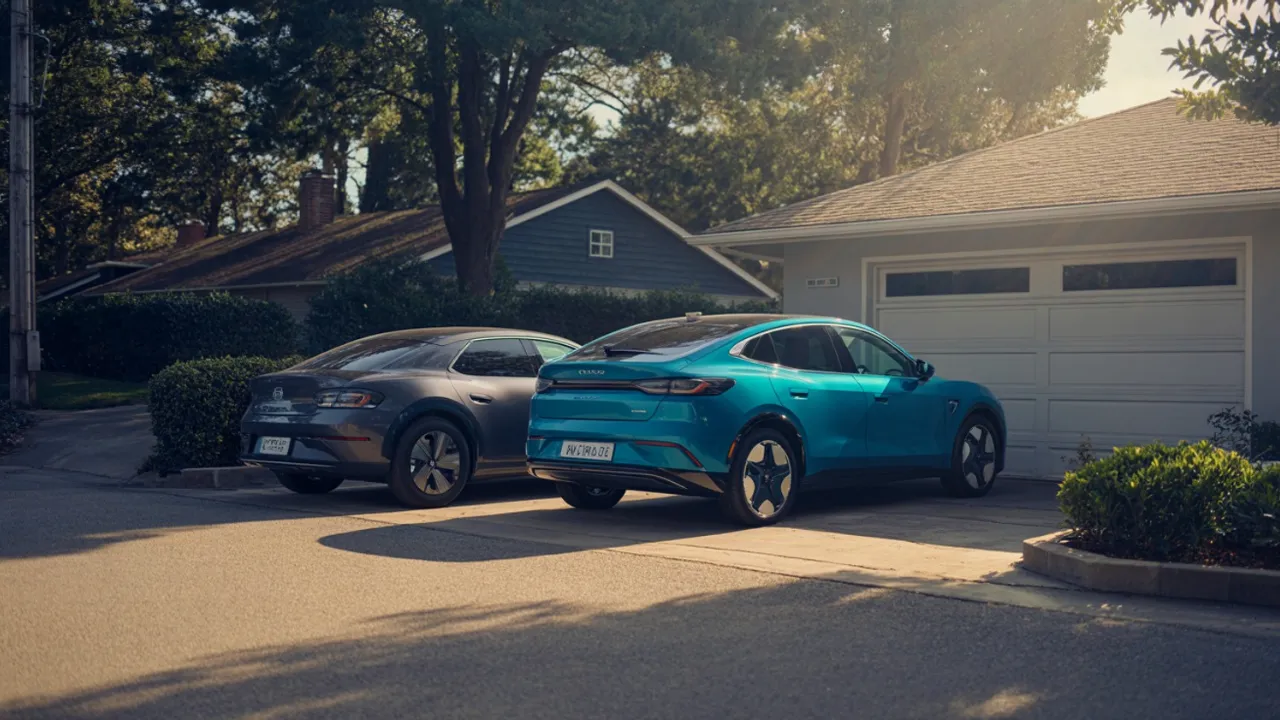
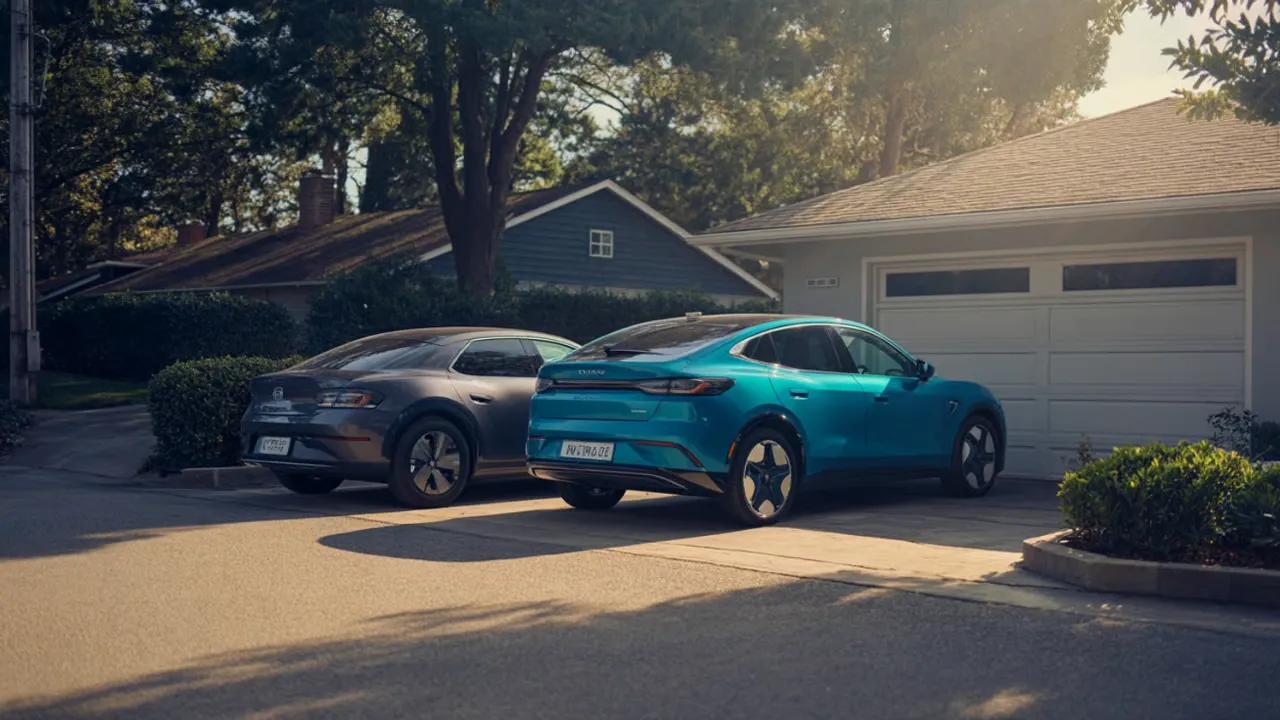
Electric vehicles sometimes have higher insurance premiums than their gasoline-powered counterparts. Here are the specific reasons for this difference.
Purchasing an electric vehicle represents a significant investment, and the insurance cost can be a surprising factor. In many cases, the annual premium exceeds that of a comparable gasoline vehicle in terms of size and usage. This is not arbitrary pricing by insurers; several structural factors explain this disparity, and understanding them helps in negotiating better coverage terms.
For drivers who have had difficulties with their insurer or whose policy was terminated, the situation can become even more complicated. However, there are solutions available to find appropriate coverage, especially on this website specialized in complex cases, including for owners of electric vehicles.
Repair costs, the primary differentiating factor
Insurers calculate their premiums based on observed claim frequency and average repair costs. Yet, an electric vehicle is significantly more expensive to repair than a comparable gasoline-powered model for several reasons.
The battery is the most significant cost component. In the event of an accident that damages the battery pack, partial or total replacement can account for a large portion of the vehicle’s value. Some insurers even apply specific clauses related to battery age, an issue that simply does not exist in conventional internal combustion engines.
Spare parts specific to electric vehicles are also more expensive and less available than their internal combustion engine counterparts. There are fewer technicians qualified to work on these high-voltage systems, which prolongs repair times and increases labor costs. This shortage of specialized skills directly affects the pricing in bodywork and mechanical services.
Highest resale value, different discount
The purchase price of an electric vehicle remains, for many models, higher than that of a conventional equivalent, even after deducting purchase incentives. This higher initial value inherently results in a higher all-risks premium, as the insurer agrees to compensate the vehicle for its actual value in case of total destruction or theft.
The discount on electric vehicles in the used car market has long been greater than that of conventional vehicles, particularly due to uncertainties about battery lifespan. This volatility complicates actuarial assessments and prompts some insurers to adopt a cautious approach in setting premiums. The market is evolving gradually, but insurance companies only incorporate these adjustments after a delay.
Theft risk and the specifics of electric vehicle accidents
Electric vehicles have become increasingly attractive targets for thieves, especially because of the value of their electronic components and batteries. Some premium models have high theft rates that directly affect the pricing of theft insurance coverage.
In addition, an accident involving a fire in an electric vehicle has technical characteristics that insurers take into account. A lithium-ion battery fire is more difficult to control than a conventional fire, requires specialized interventions, and can cause thermal runaway effects several hours after it is extinguished. These challenges result in higher costs for response and towing, as well as longer periods during which the vehicle remains unusable.
Varying driver profiles and usage patterns
The pricing of insurance also depends on the statistical profile of the average driver for a given type of vehicle. Available studies on accident rates for electric vehicles show mixed results depending on the models and markets. In some segments, drivers of electric vehicles exhibit a different risk profile compared to those of conventional vehicles, with accidents sometimes being more costly despite comparable frequencies.
Intensive urban use, common among electric vehicle owners, also exposes them to specific types of accidents: collisions while parked, damage caused by charging stations, and attempts to steal charging cables. These minor accidents contribute to overall accident rates that insurers gradually incorporate into their pricing structures.
There are several ways to reduce the cost of insurance for an electric vehicle. Comparing different companies remains the first step to take, as pricing differences can be substantial between insurers for this type of vehicle. Some companies have developed specialized expertise in electric fleets and offer more competitive terms.
Choosing a higher deductible can lower the annual premium, provided you are willing to bear a greater share of costs in case of an accident. Using a telemeter or GPS tracking system can also qualify you for discounts, especially for drivers with regular and low-risk driving habits.
For drivers with a poor history, high penalty points, or a terminated policy, finding appropriate coverage for an electric vehicle requires seeking out specialized insurers. The protections offered vary significantly among different providers, and it is essential to verify that battery coverage is indeed included in the policy terms.
What to expect from market developments
The insurance market for electric vehicles is currently being shaped. As the fleet of electric cars grows, insurers are collecting statistical data that will allow them to refine their models. Several companies are already developing specialized offerings that include battery coverage, dedicated assistance for charging issues, or provision of a traditional replacement vehicle in case of prolonged downtime.
The gradual standardization of battery technologies and the development of a network of certified repairers should, in the long term, help reduce claim costs and, consequently, insurance premiums. Manufacturers are also working on modular battery architectures that facilitate partial repairs, which could significantly change the landscape for insurers in the coming years.
Until such advancements occur, electric vehicle owners are wise to carefully read the terms of their contracts, check the scope of battery coverage, and regularly compare available market options to ensure they pay premiums that reflect their actual risk profile.