
This will be the CUPRA Tindaya, SEAT S.A.-developed Spanish rival to the BMW iX3.
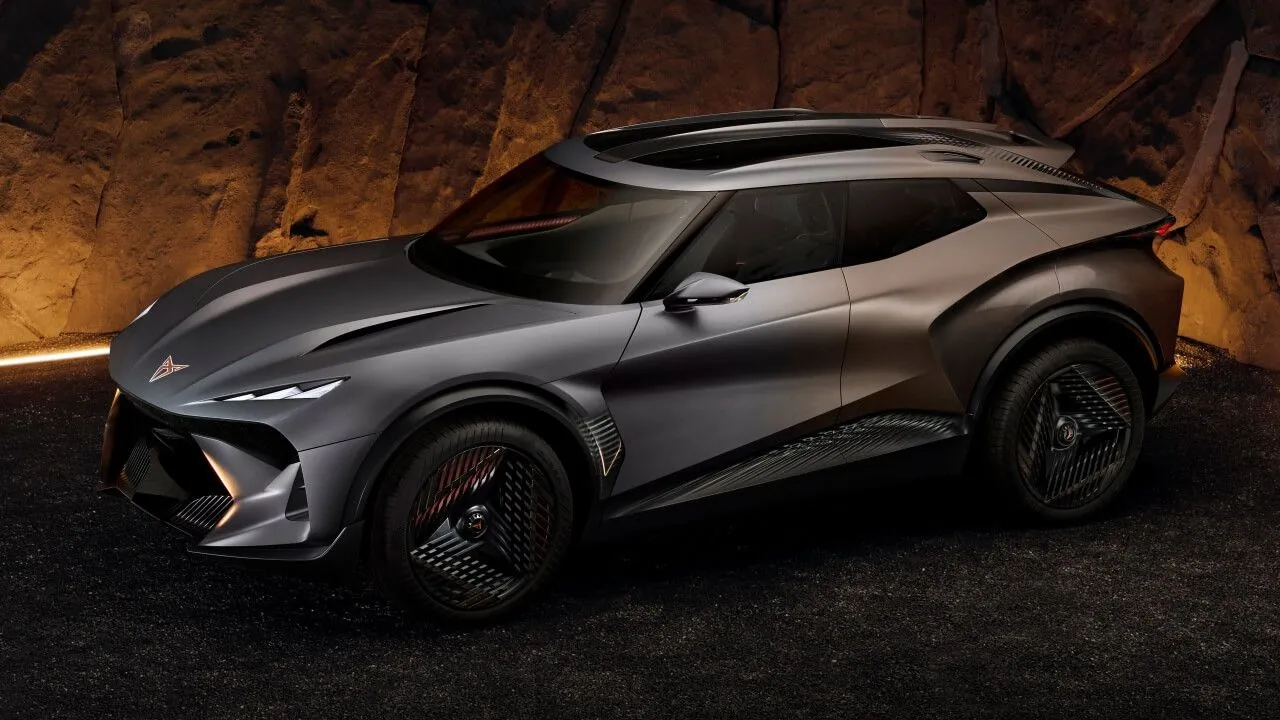
SEAT S.A. is putting all its effort into CUPRA. With SEAT’s future as a brand in doubt, every effort is focused on boosting its sister brand, whose aspirational image allows it to sell more expensive (and thus more profitable) cars. For this reason, this young Barcelona-based brand has been at the forefront of all new electric vehicles in recent years.
Currently, CUPRA offers three fully electric models: the Raval, the Born, and the Tavascan. The latter is also the largest model in the range, serving as its flagship. Manufactured in China, it is a mid-size crossover related to the Audi Q4 Sportback e-tron, Skoda Enyaq Coupé, and Volkswagen ID.5.
At one point, CUPRA set a goal of achieving annual sales of 70,000 units; however, the Tavascan’s trajectory was on the verge of failing early on due to the European Union’s protective tariffs on Chinese-made electric cars. To avoid disaster, CUPRA became the first brand to reach a minimum pricing agreement with the European Commission, allowing it to avoid additional fees.
Meanwhile, the range has been expanded with a new entry-level version that, in theory, should enable the Tavascan to improve on last year’s sales figures (36,000 units, slightly more than half of the original target). In any case, everything indicates that a successor to this model will be manufactured in Europe. We are talking about the Tindaya, whose prototype was unveiled last year.
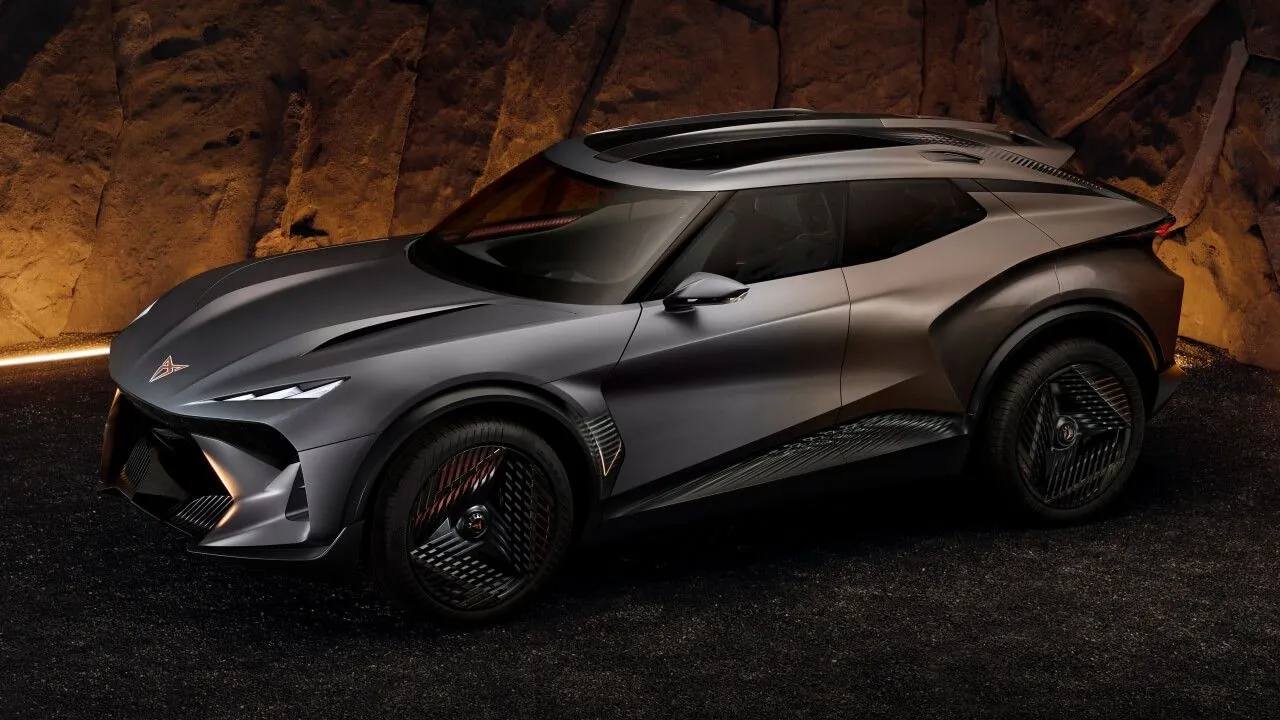
CUPRA Tindaya is already in development
The CUPRA Tindaya showcar was a mid-size SUV (segment D) with a length of 4.72 meters. The final model will be built on Volkswagen Group’s modular SSP platform, an architecture that will make its debut in a couple of years with the Audi A4 e-tron. It will also serve as the basis for future CUPRA Formentor, Skoda Octavia, and Volkswagen ID. Golf e ID. Roc models, all of which are expected to launch by the end of this decade or early in the next.
Among other things, the SSP will feature a zonal electronic architecture developed by Volkswagen Group in collaboration with Rivian. It will also have an 800-volt electrical system compatible with ultra-fast charging. As a result, the future CUPRA Tindaya will compete directly with models such as the BMW iX3 or Volvo EX60, although it is likely to be less expensive than those vehicles.
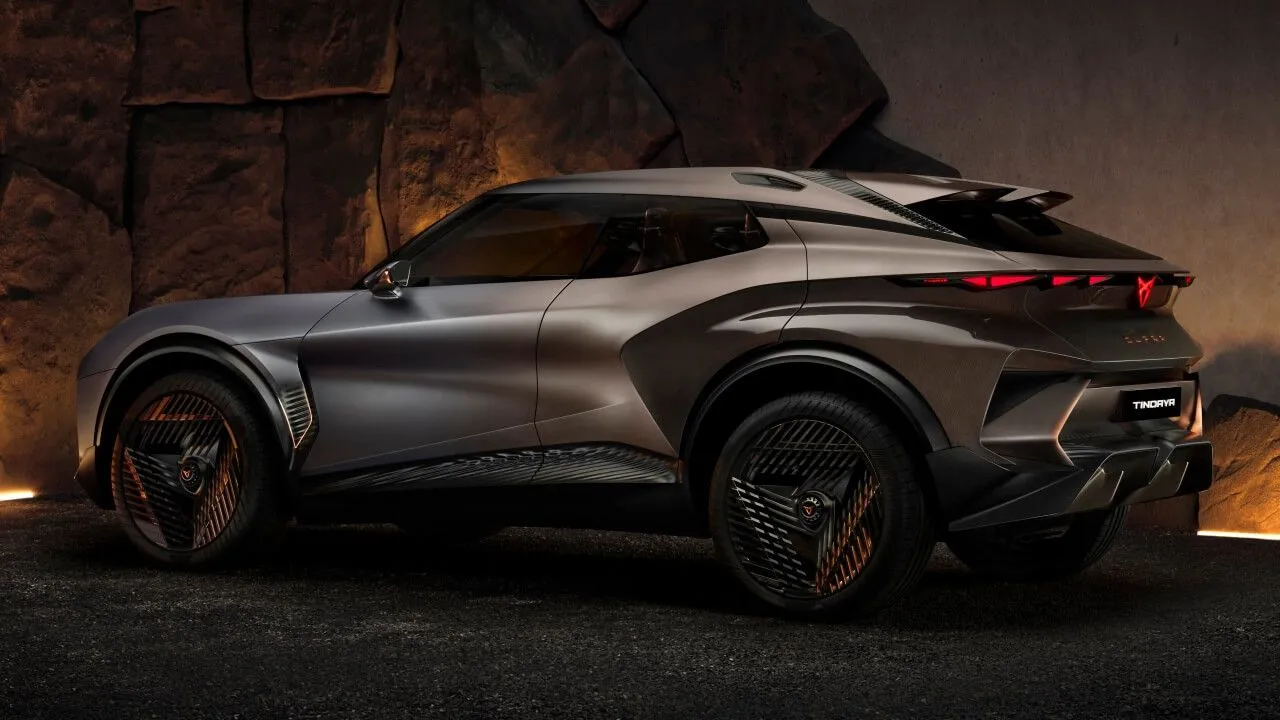
SEAT and CUPRA CEO Markus Haupt confirmed just a few months ago that their designers and engineers are already working on the production version of the Tindaya. "It looks fantastic; why wouldn’t we manufacture the Tindaya? In fact, we are reviewing our plans for its future production, but I can promise one thing: this car will be on the roads in a few years." Although it will be electric, versions with range extenders are not ruled out.