
Archer acquires Wisk Aero and two other Boeing subsidiaries
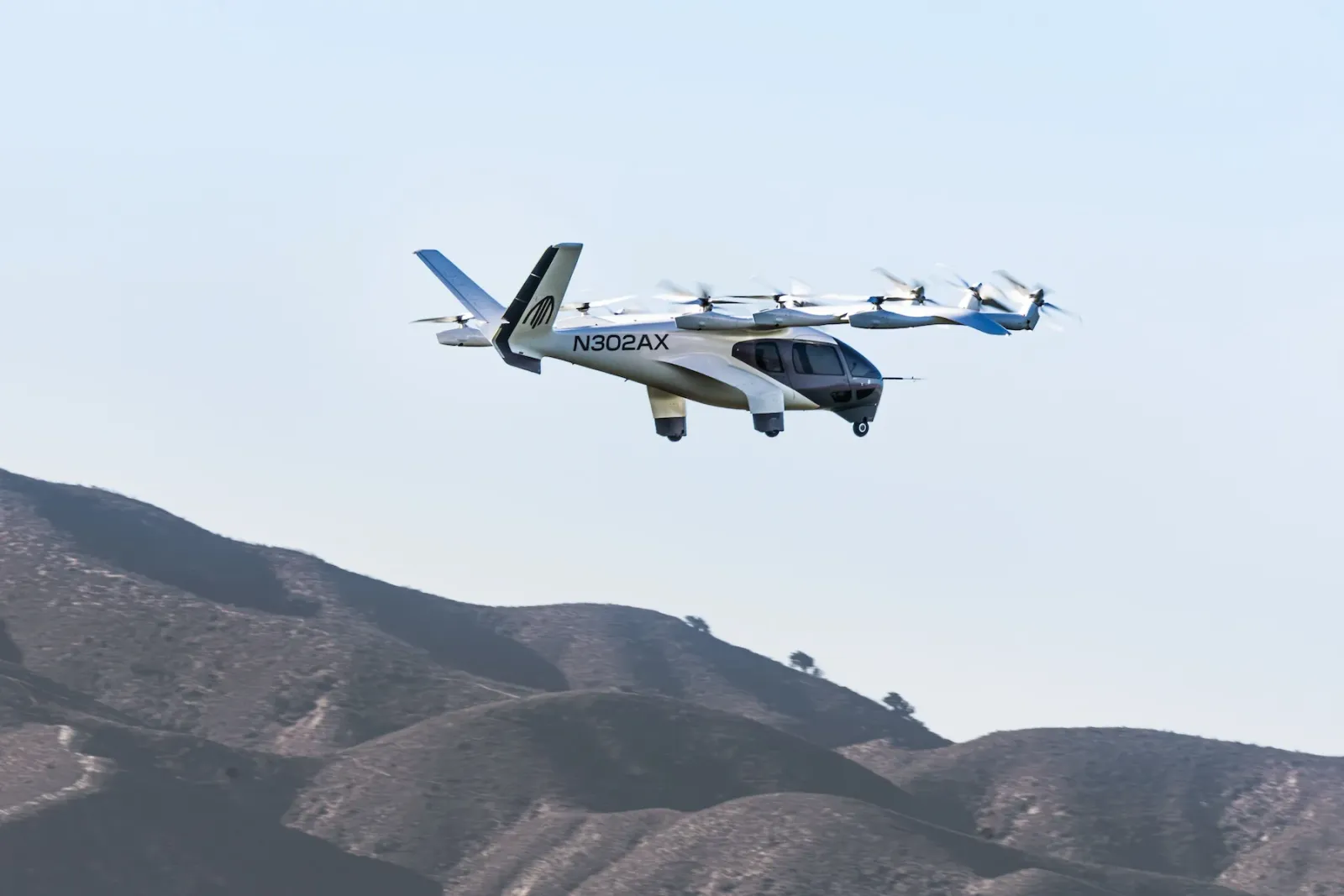
Archer Aviation is expanding its business to include technologies for autonomous flight, air traffic management, and unmanned system - and has acquired three Boeing subsidiaries to this end. In return, Boeing will take a stake in Archer.
The transaction encompasses three distinct companies which together account for nearly two million flight hours: Wisk Aero, SkyGrid, and Insitu. The deal is expected to close by the end of 2026 and remains subject to regulatory approvals. Financial details, including the purchase price and the extent of Boeing’s future stake in Archer, have not been disclosed.
As reported by Aerotelegraph, Archer’s core eVTOL business is central to the deal – particularly where Wisk Aero is concerned. Wisk Aero has spent 16 years developing autonomous eVTOLs and has completed over 1,700 test flights, according to its records. While Archer’s own eVTOL, Midnight, will initially operate with a pilot, the acquisition of Wisk lays the technology groundwork for future autonomous operations to the company. SkyGrid, meanwhile, provides software for automated air traffic management, supporting the integration of autonomous and unmanned aerial vehicles into airspace.
Archer and Wisk share a history: In 2021, Wisk sued its competitor for alleged theft of trade secrets (link in German). The dispute was settled in 2023, after which Boeing invested in Archer, and the two companies agreed to collaborate on autonomy technologies. Now, Wisk is fully transitioning under Archer’s umbrella.
Archer expands business beyond eVTOLs
The acquisition of Insitu adds another dimension to the transaction. The company specialises in unmanned aerial systems, particularly for reconnaissance and surveillance missions. What’s more, it has reportedly delivered over 3,500 systems and is profitable, with annual revenues exceeding $200 million US dollars. This aligns with Archer’s growing focus on defence: since late 2024, the company has collaborated with Anduril on a hybrid VTOL aircraft for military applications and introduced Thunder, an autonomous VTOL aircraft, in July 2026. In parallel, Archer is advancing the commercial use of electric aircraft: in July, the company announced the ACES charging infrastructure consortium alongside BETA Technologies and Macquarie Capital. The consortium aims to equip more than 250 sites across the USA by 2030.
This significantly broadens Archer’s strategy: Midnight remains its flagship electric aircraft, while Wisk and SkyGrid provide autonomy and air traffic management solutions. Insitu contributes an established drone business, and ACES delivers the charging infrastructure. However, the speed at which these elements can be integrated into commercial eVTOL operations still depends on progress in certification and market ramp-up.
Boeing is not fully exiting the picture: a parallel technology partnership ensures the corporation retains access to Wisk’s technologies, and Boeing will also hold a future stake in Archer. Archer describes the combination of autonomy, eVTOLs, drones, and software as the foundation of a ‘Physical AI’ platform for aviation and defence. With this deal, Archer is evolving from a manufacturer primarily focused on electric air taxis into a more diversified aviation company. At the same time, it remains unclear what role the civil eVTOL business will play in the future compared to the growing segment of autonomous and military systems.