
After electric cars, MG is taking things to the next level with a giant battery bus.
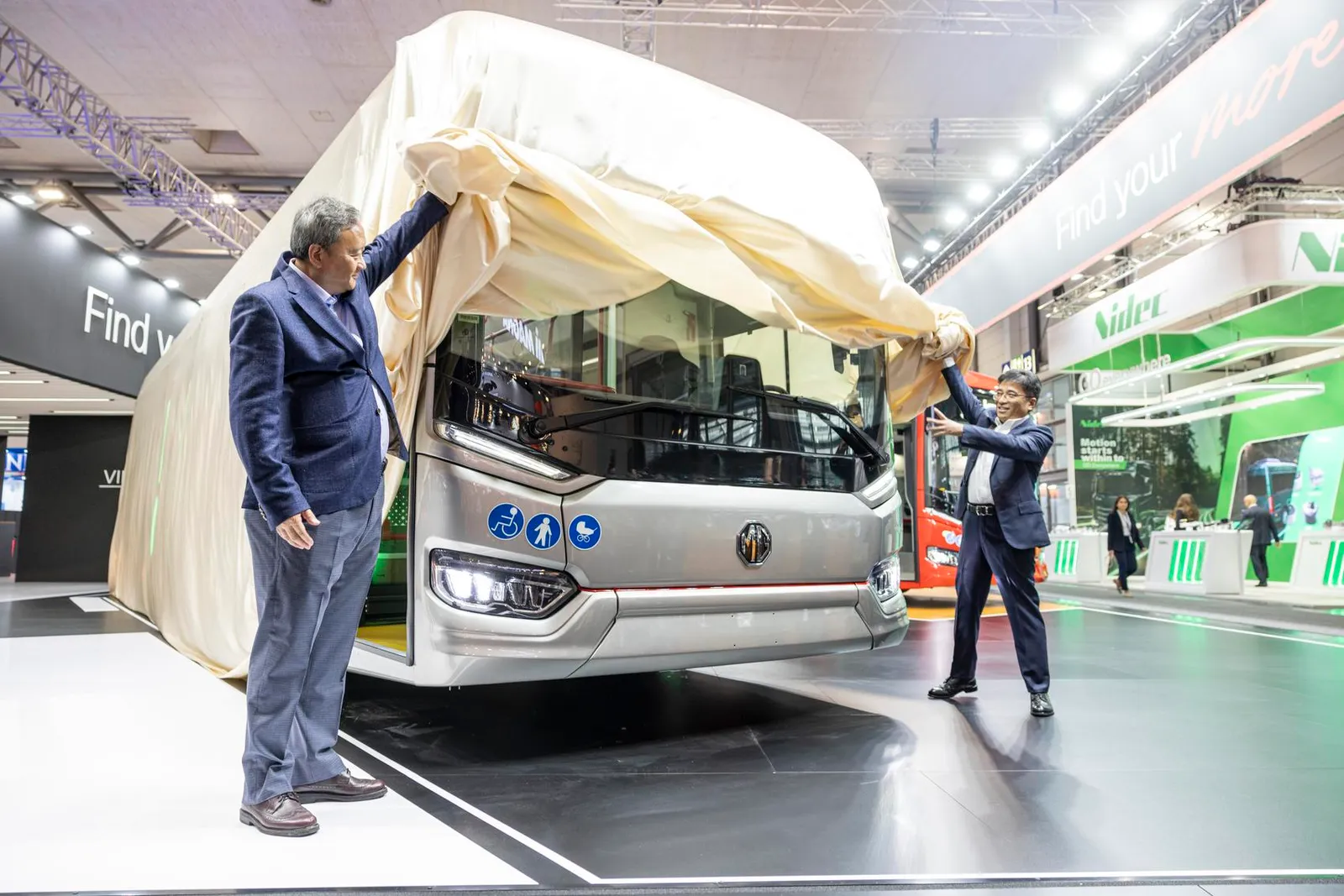
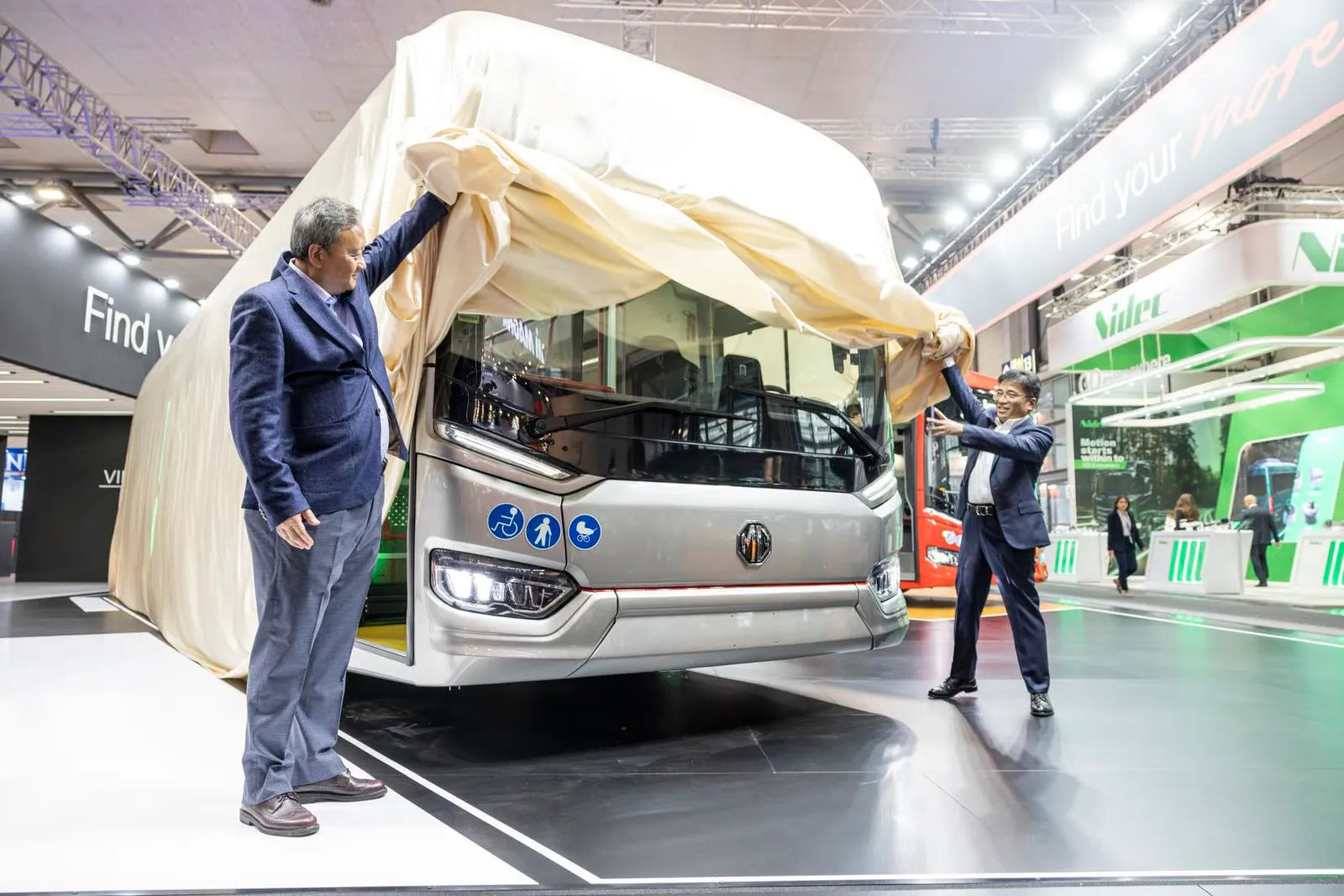
MG clearly does not intend to stop at electric cars in Europe. At the IAA Transportation in Hanover, the SAIC group’s brand unveiled the iEV12LE, an intercity electric bus equipped with a 489 kWh battery and capable, according to the manufacturer, of traveling up to 650 kilometers.
When thinking of MG in Europe, one usually thinks of the MG4, MGS5 EV, or other electric cars that are challenging established automakers. But the Chinese brand now has much bigger ambitions—literally.
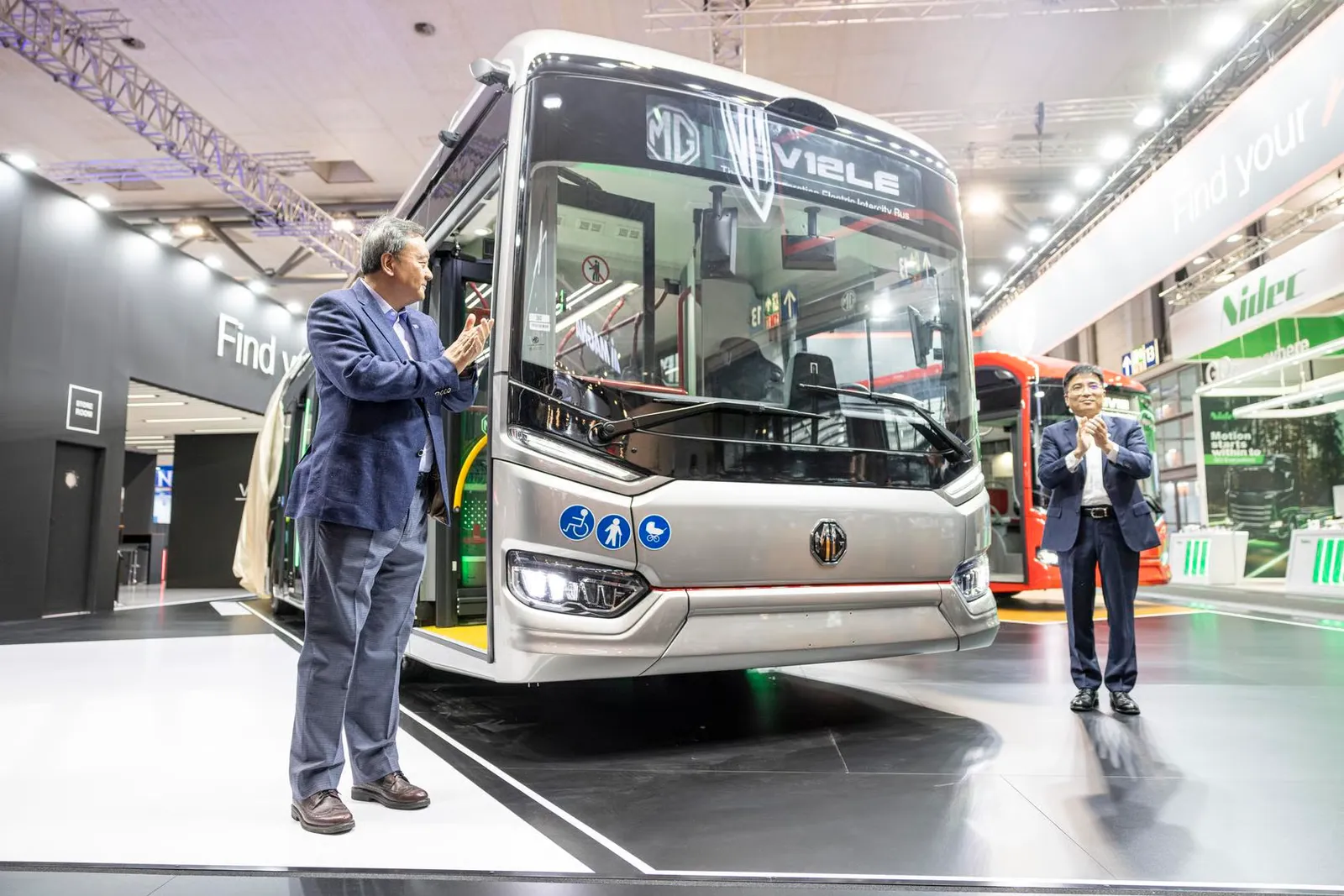
At the IAA Transportation currently taking place in Hanover, the manufacturer’s “Commercial” division presented the iEV12LE, a 12.15-meter electric bus designed for intercity routes.
An important clarification: MG’s push into the electric bus segment is not sudden. At the 2025 Busworld Europe exhibition, the manufacturer had already unveiled the iEV12, a 12-meter urban bus concept. This initial model was based on the B12E electric chassis and already featured a Cell-to-Pack battery architecture, with two announced capacities: 417 or 489 kWh.
At that time, MG emphasized that the vehicle was still in concept stage. Its business model for Europe had not yet been defined, and no orders had been received. The iEV12LE represents a new step in developing this new product line.
A XXL battery of 489 kWh
The figures show the scale of the changes. The iEV12LE is 12,150 mm long, 2,550 mm wide, and 3,320 mm high, with a wheelbase of 6,100 mm. Its maximum allowed load weight is 19.5 tons.
Aboard, MG plans for 41+1 seats, including a space designated for a wheelchair, allowing a maximum capacity of 80 passengers. The floor height for entry is reduced to 350 mm, and the top speed is limited to 100 km/h.
Beneath the floor, the bus is equipped with a 489 kWh battery. MG claims a range of up to 650 km. The battery uses a Cell-to-Pack architecture that is 140 mm thick and is directly integrated into the chassis.
Obviously, a giant battery implies the need for an exceptionally powerful charging source. MG equips its electric bus with dual CCS2 connectors. Under optimal conditions, a full charge could be completed in about 1 hour and 30 minutes. An alternative solution involves a roof-mounted OppCharge pantograph, allowing for rapid charging during stops or at the end of the route.
As for the rest, the iEV12LE features a “low-entry” design, with part of the cabin having a low floor to facilitate passenger access. A specific area is designated for accommodating a wheelchair.
The vehicle is equipped with a comprehensive suite of driving assistance features: Full HD cameras, 360-degree vision, V- and VI-class vision systems, ADAS, MOIS, BSIS, tire pressure monitoring, anti-start alcohol detectors, DDAW, and ADDW.
What remains to be seen now is whether MG will be able to replicate the success it achieved in passenger cars in the bus segment. This won’t be an easy task. The manufacturer is entering a market heavily driven by government orders, where competition is already strong. More importantly, real-world fuel consumption, parts availability, maintenance needs, response time, and total operating costs over several years often carry more weight than impressive technical specifications. Stay tuned!