
After electric cars, Europe might impose taxes on Chinese hybrids
In just a few months, Chinese vehicles have captured a significant share of the European market. After making the mistake of taxing only electric vehicles, Brussels now aims to correct this approach to protect Europe’s automotive industry.
The various Chinese brands together now account for over 10% of new passenger vehicle sales in the broader Europe region (European Union, United Kingdom, Switzerland, Norway, Iceland). Although they hold a larger share in the electric vehicle segment, this strong growth over the past 18 months stems primarily from sales of hybrid and plug-in hybrid models.
Also read
Made in Europe: The Next Confrontation with Chinese Automakers
Reducing the trade deficit with China was a major focus of Ursula von der Leyen’s address on the state of the Union to Parliament. The automotive sector, once largely positive, now accounts for a significant portion of this issue. In Brussels, there is firm determination to halt this aggressive competition that could see Chinese firms achieve a 20% market share by the end of the decade. Now, even German automakers, who have long opposed any retaliatory measures, agree.
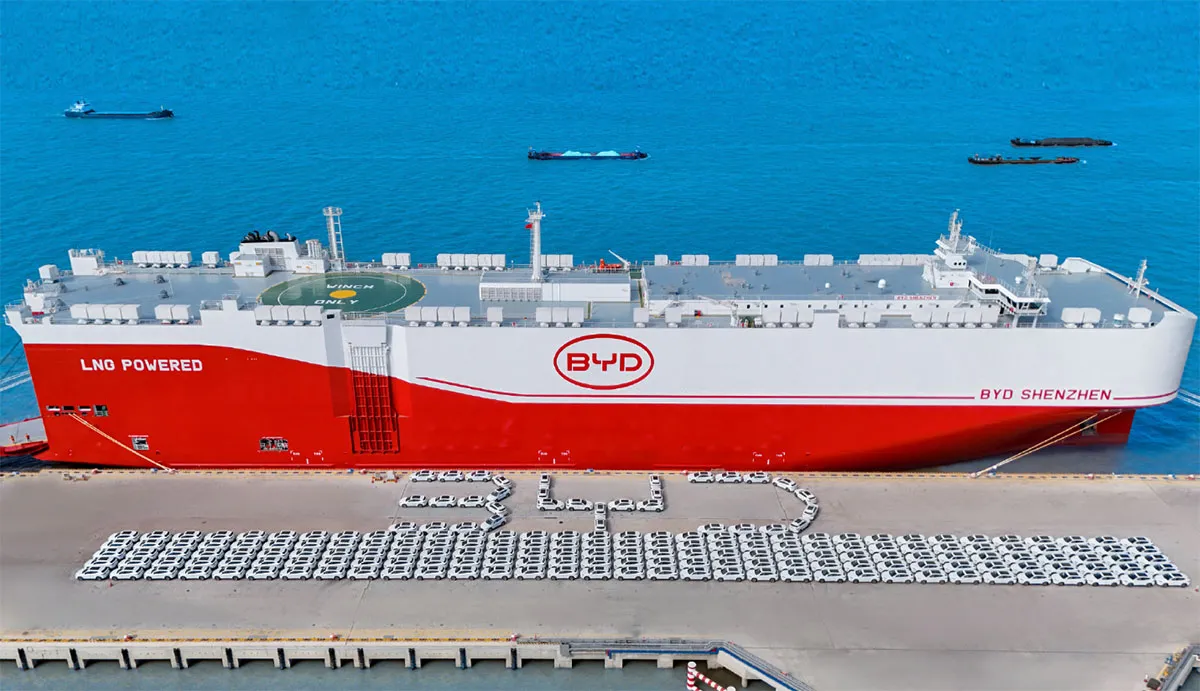
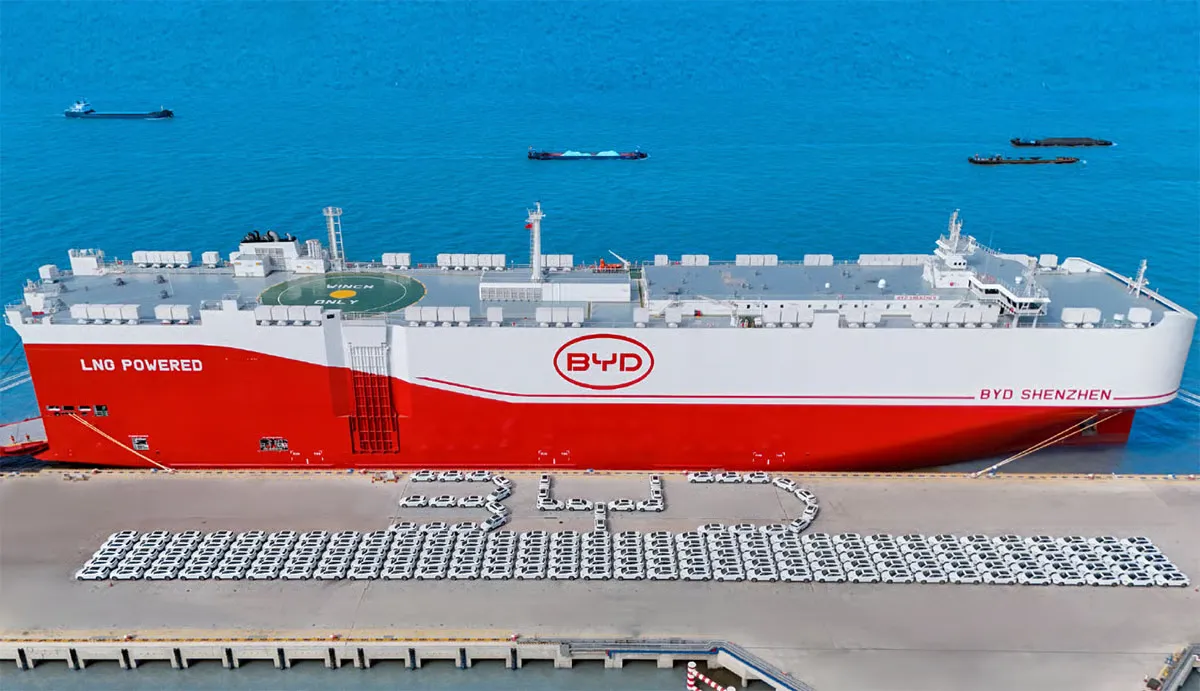
New discussions are thus underway with Beijing. What is their goal? To get the Chinese government to limit the volume of exports to Europe. The talks are expected to be difficult. With their domestic market in sharp decline, Chinese automakers need to maintain or improve their export sales. For example, BYD has just raised its international sales target to 2.5 million units by 2027. To expand, it has already ordered 10 new trucks...
The framework is therefore set. In the absence of an agreement on this issue, Brussels will impose new taxes on hybrid vehicles.