
After the electric R5, R4, and Twingo, Renault is changing its strategy and aiming for “smarter” cars.
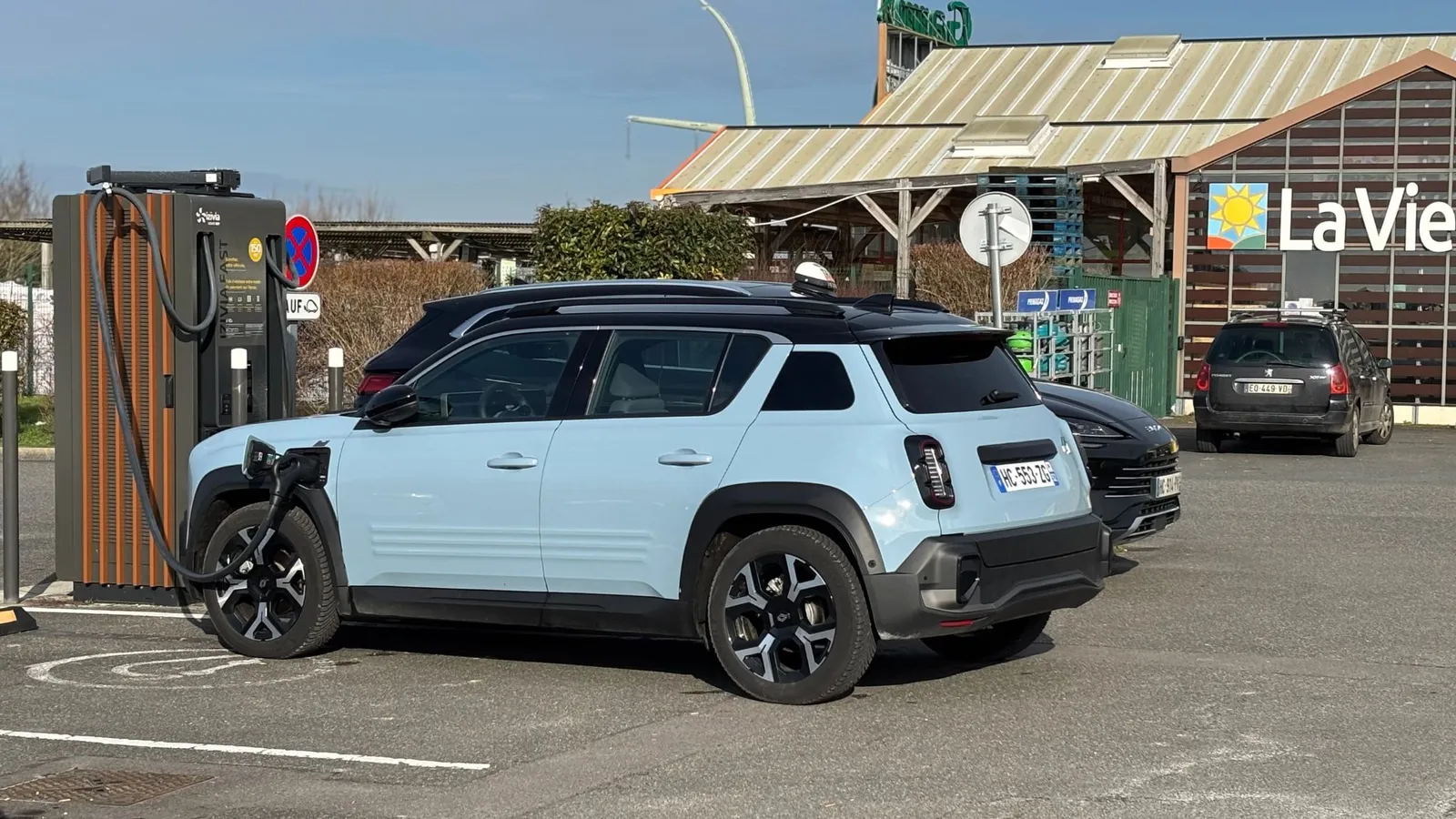
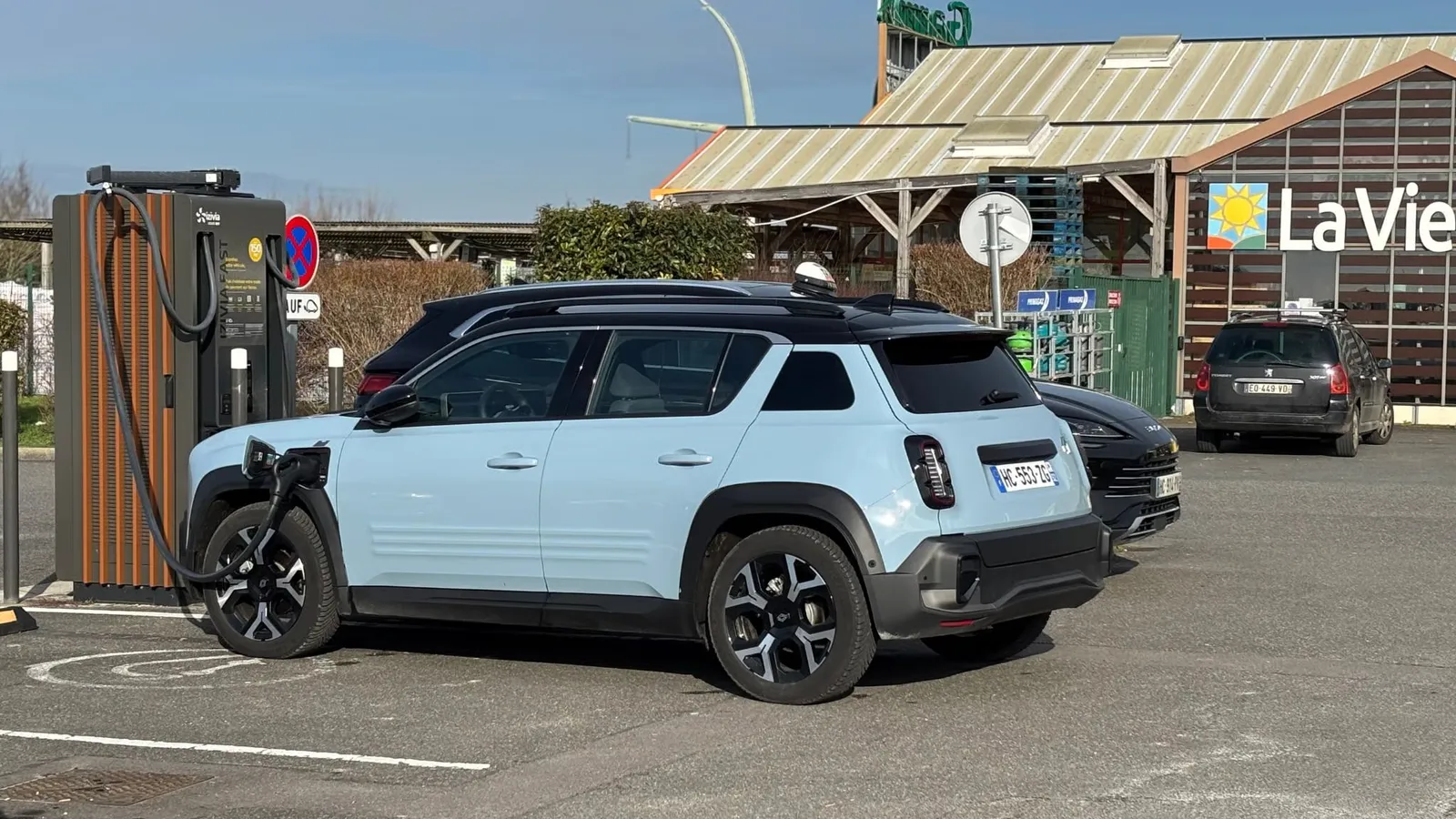
After focusing on electric models with a very bold style in recent years, Renault is set to change its strategy. The French automaker aims to bring more consistency to its future vehicles, with cleaner lines that are less showy. Is that a shame?
For several years, Renault seemed to have found a way to generate buzz around its new models. With the electric R5, R4, and Twingo, the company leaned on nostalgia. Three models, three distinct personalities, and especially three very different designs. But this strategy is likely no longer to be applied to future Renault models.
Renault wants a « consistent » identity
In an interview with Autocar, Laurens van den Acker, Renault Group’s chief designer, explained that the brand now aims to find a better balance between originality and brand consistency. The goal is to visually unify future models without making them identical. The electric R5, R4, and Twingo are obviously not affected by this change. These three vehicles will remain distinct regardless of anything else.
Also read
Electric Renault 5: Technical improvements by the end of 2026?
As you may have noticed, this change comes amid a renewal of the group’s leadership. With François Provost taking charge and Alexandre Malval leading Renault’s design team, a new philosophy is emerging. The design head recalls that Luca de Meo had advocated for a strong differentiation among models. While this approach resulted in recognizable cars, it also blurred their visual identities.
Nevertheless, there are no plans to alter the character of the neo-retro models. The R5, R4, and Twingo will continue to follow their own path. Renault believes their identity is more important than seeking similarities with other vehicles in the lineup.
Simpler cars to elevate the range
Renault particularly aims to improve its approach in segments C and D. The manufacturer believes it already holds a strong position in the small car market. However, it wants to enhance its appeal in higher-end categories. To achieve this, Laurens van den Acker favors cleaner and more timeless design lines. The goal is to offer vehicles that convey more seriousness and robustness, with fewer purely decorative styling elements.
The recent E-Space concept, unveiled at the 2026 Auto Show, illustrates this approach. Despite its references to the original monospace, it features a modern design with relatively smooth surfaces and unusual proportions. Electrification is also expected to play a significant role. Future dedicated platforms will enable the creation of vehicles with longer wheelbases, reduced track widths, and silhouettes that sit between sedans and SUVs.
Renault therefore does not intend to abandon the uniqueness that defines its latest creations. The challenge will rather be to find a new aesthetic identity that is distinctive enough to attract attention but subtle enough to stand the test of time.
A risky choice?
This strategic shift might still come as a surprise. With the commercial success of the electric R5, Renault has proven that an original design and strong personality can attract Europeans. The R4 and the new Twingo follow the same approach. So why go back to more conventional designs?
Perhaps the highly varied reactions to the latest Clio prompted Laurens van den Acker to reconsider the plans.