
After the failure of their merger last year, Nissan and Honda are getting closer again
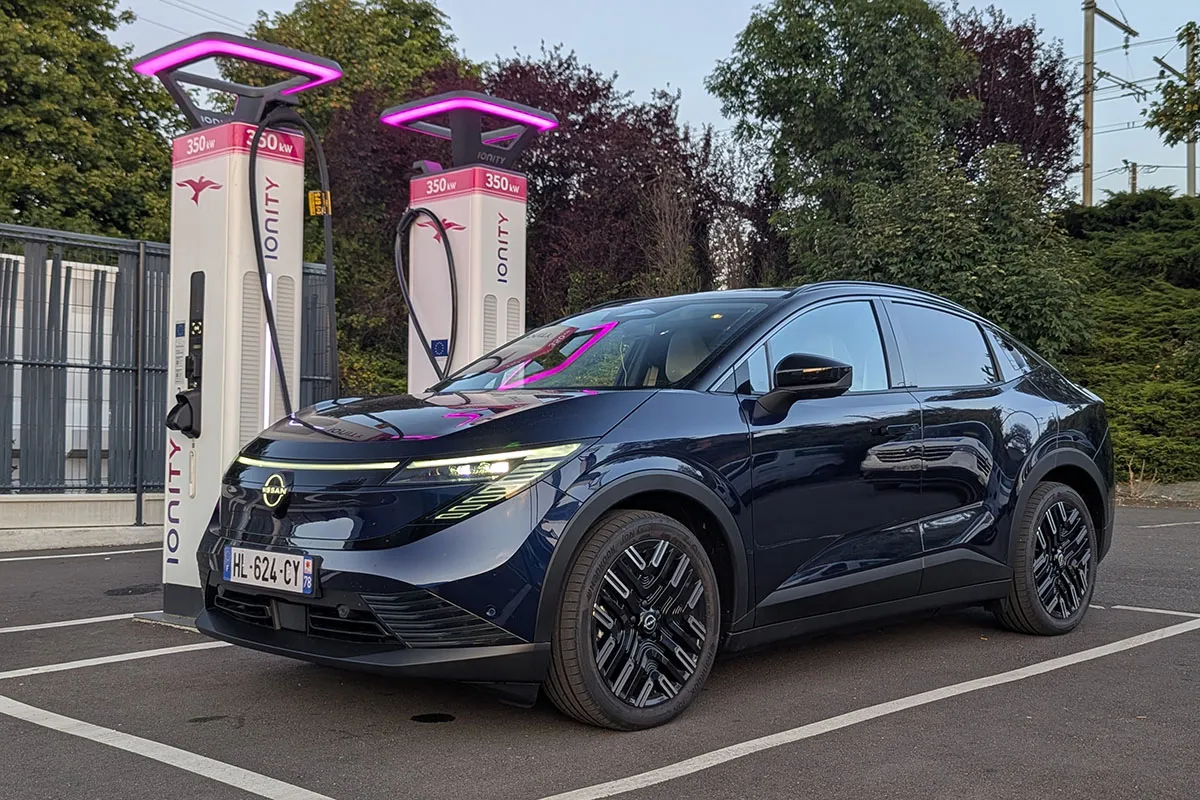
Although Nissan and Honda abandoned their merger plan in early 2025, they did not sever ties. The two Japanese automakers have now signed a new agreement to jointly develop the software architecture for their future connected vehicles, with initial deployment expected starting in 2029.
Nissan and Honda Reconnecting
The merger between Nissan and Honda might actually happen after all. Having given up on their merger plan last year, the two companies are continuing to cooperate on strategic matters for the coming years. This time, embedded software and electronic architecture are at the core of their agreement.
The two manufacturers particularly want to work together in the field of electronic control units (ECUs), which play a central role in modern vehicles. The goal is to standardize certain specifications to avoid developing similar technical components separately. Nissan and Honda hope this will reduce their development costs and accelerate the creation of their next models.
Also read
What does Renault think of the Honda-Nissan merger?
No merger, but almost…
However, the cooperation will go beyond merely sharing electronic components. Both companies plan to work on the embedded operating system as well as the software responsible for controlling the vehicle’s functions. The first vehicles to use this common architecture are expected starting from the 2029 fiscal year.
By then, Nissan and Honda will need to establish standards close enough to allow them to share some of their developments. They will still retain their own identities and technologies. This new agreement mainly confirms that the failure of the merger attempt did not end the closer relationship between the two manufacturers...
Software, the new battleground
In the absence of forming a single group, Nissan and Honda are therefore seeking to share some investments in particularly costly areas.
They are not the only ones pursuing this approach. Software development has become one of the main challenges in the automotive industry. For example, Volkswagen approached Rivian a few years ago to accelerate progress in this field. It should be noted that the German company also collaborates with Xpeng in China.
For Nissan and Honda, combining their efforts in these technologies could help them stay competitive against rivals who are investing heavily in software.