
After the R5 and Micra, then the Twingo and Pixo, a Nissan Cube based on the Renault 4?
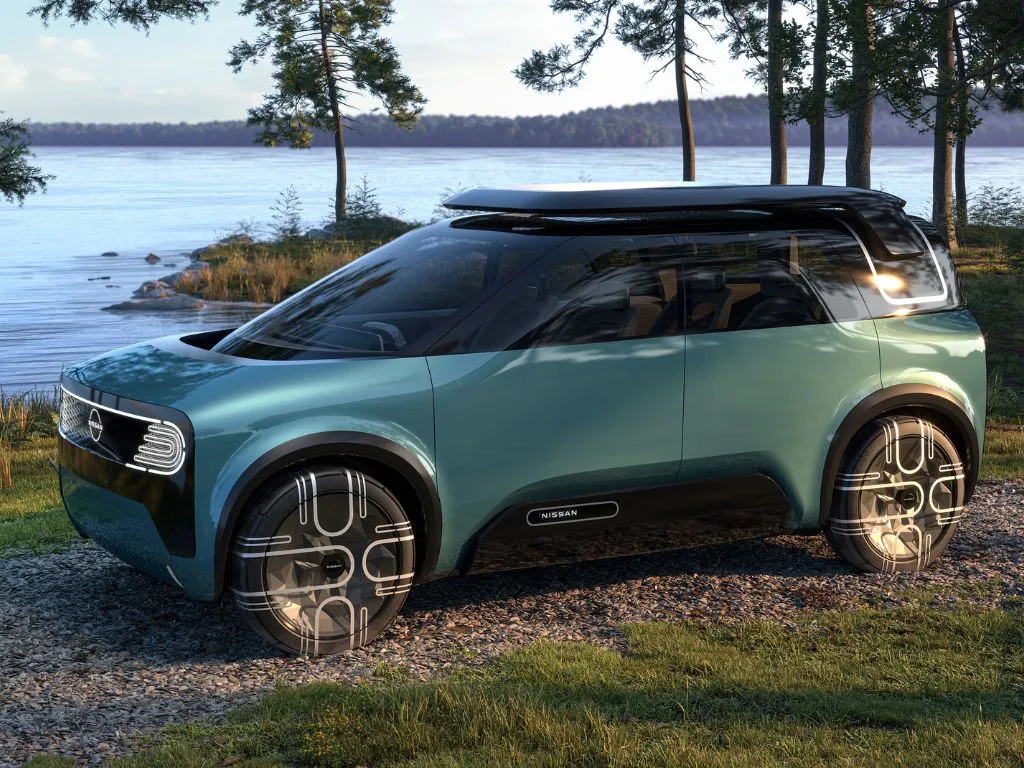
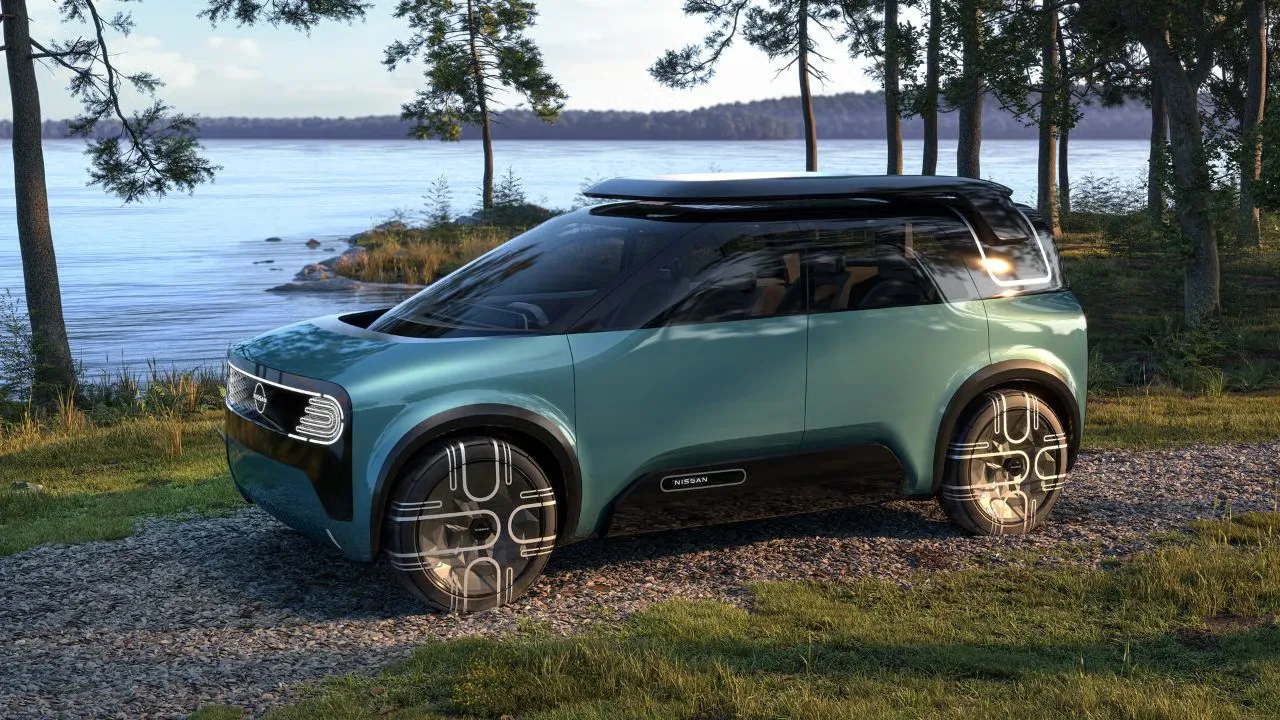
After transforming the Renault 5 into a Micra and then the Twingo into a Pixo, Nissan seems to have found a rather effective method for updating its European electric vehicle lineup: letting Renault do most of the work. Since we’re on topic, I have a small suggestion for what’s next: reviving the Cube based on the Renault 4. Seriously, stop laughing.
Even though the two brands have shared platforms and powertrains for nearly 25 years, explaining just a few years ago that Nissan would sell a Renault 5 would likely have warranted a light pat on the shoulder—sympathetic but slightly concerned—along with a glass of warm water to rehydrate. Yet that is exactly what happened. The new Micra indeed relies on the R5’s AmpR Small platform, uses identical engine-battery combinations, and comes off the same production lines in Douai. Nissan, however, took care of designing a bodywork for it, apparently using a Spirograph, that is distinct enough to break away from any aesthetic resemblance to its French counterpart.
Also read
Farewell Miireille? The BYD Dolphin Surf enters the market
But that’s not all! As we know today, Nissan has also chosen Renault to develop and produce its upcoming small A-segment electric vehicle, which will be unveiled on September 23 next year. It will be based on the new Twingo and named Pixo. Similar to the city car sold from 2009 to 2013, which was itself a slightly modified Suzuki Alto—but let’s move on. Or maybe not: who really remembers it? Surprisingly, no one raises their hand; we certainly can’t call it an automotive legend. If I were asked for my opinion, though I wasn’t oddly enough—I would have gone with the Pao. Granted, it’s a model that hasn’t left the Japanese archipelago and is only known to a handful of automotive enthusiasts (hi there!), but in terms of design, well, there’s room to create an absolutely incredible modern revival of it.
That this Pike Factory model, along with the Figaro, S-Cargo, and Be-1, could hardly conceal a stylistic inspiration that joyfully blended elements from the Citroën 2CV, Fiat 500, and… Renault 4.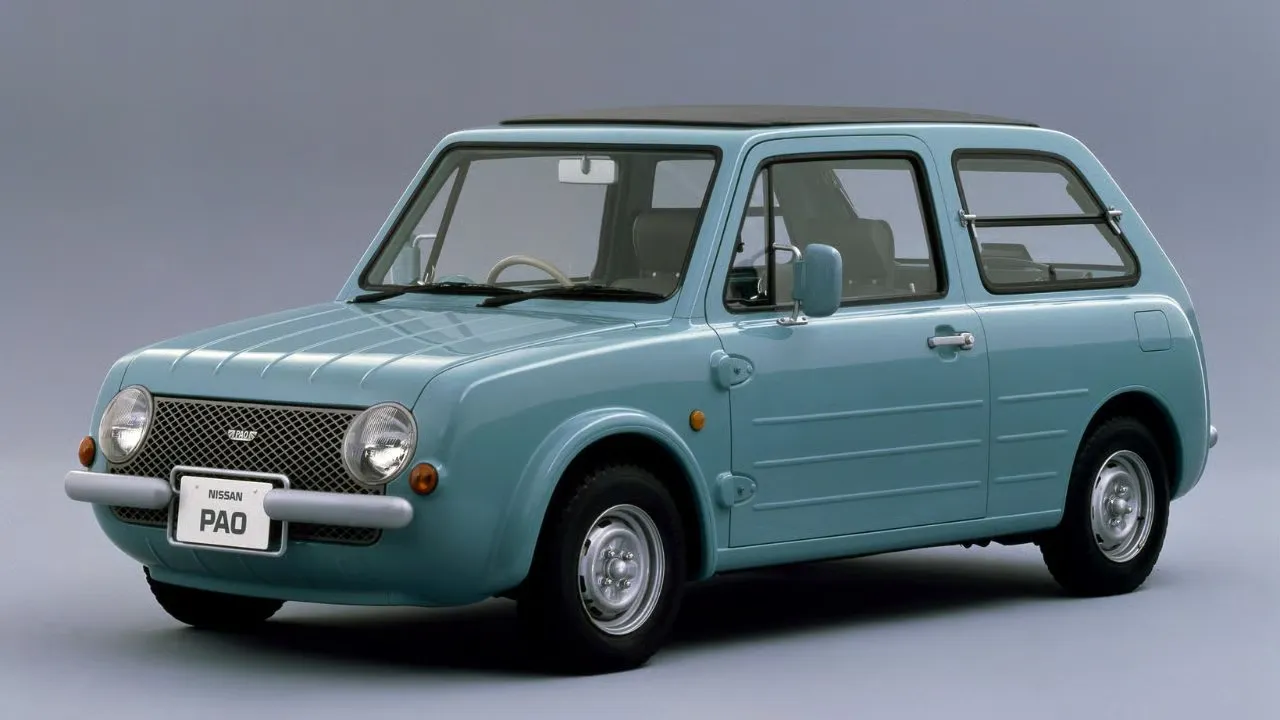
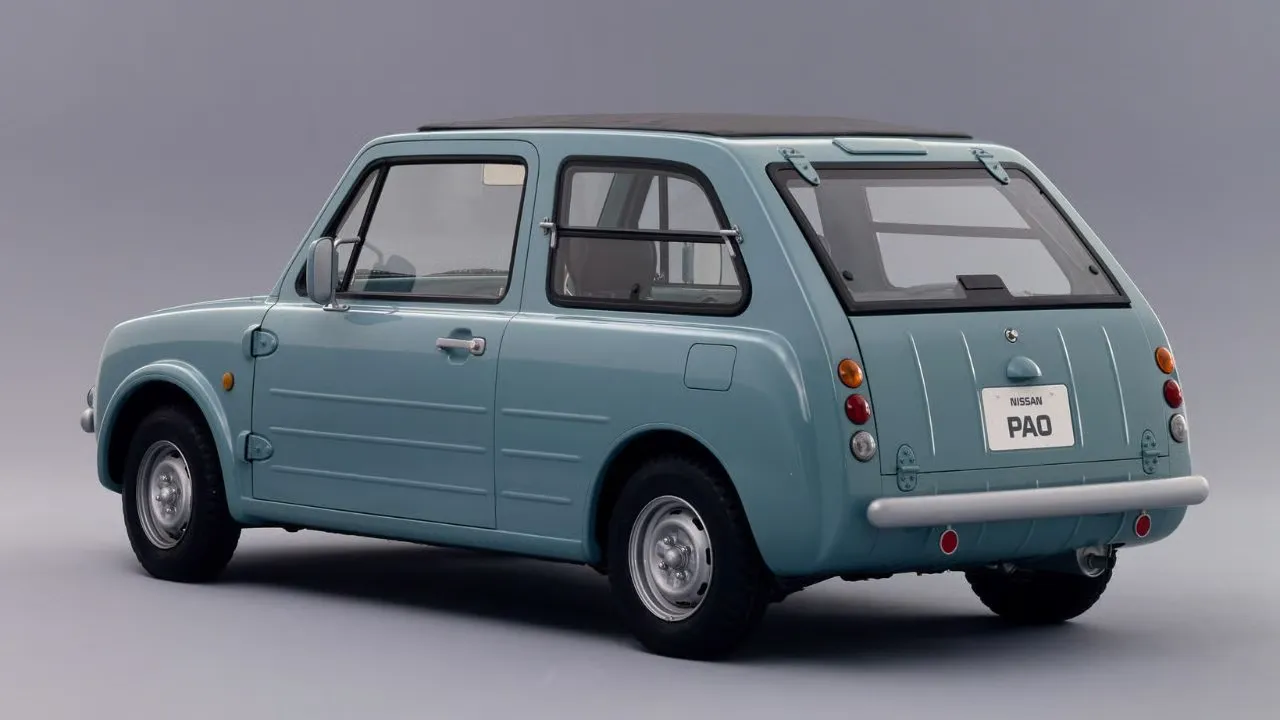
On what wonderful Segway am I taking you next? My talent is limitless. Because yes, after the R5 turned into a Micra and the Twixo, why shouldn’t the R4 also get its own updated version in Yokohama? And what name should it have then? I’m asking the question, but shh, keep your hands down—it’s a monologue; let the professional do his job. Are you ready? Am I saying it? I’m saying it: it’s time, high time to bring back the Cube.
For those who might have forgotten this amazing oddity, it was exactly what its name promised: a motorized shoebox whose designers seemed to have two rulers but no compass. Don’t you think this description is terrible? The official description is even worse: “The front looks like a bulldog wearing sunglasses, the cabin is inspired by a jacuzzi, and the back is modeled after Jennifer Lopez’s rear.” I swear this was from the press release at the time announcing the arrival of the third generation of this model (known as the Z12), the only one to make it to the Old Continent.
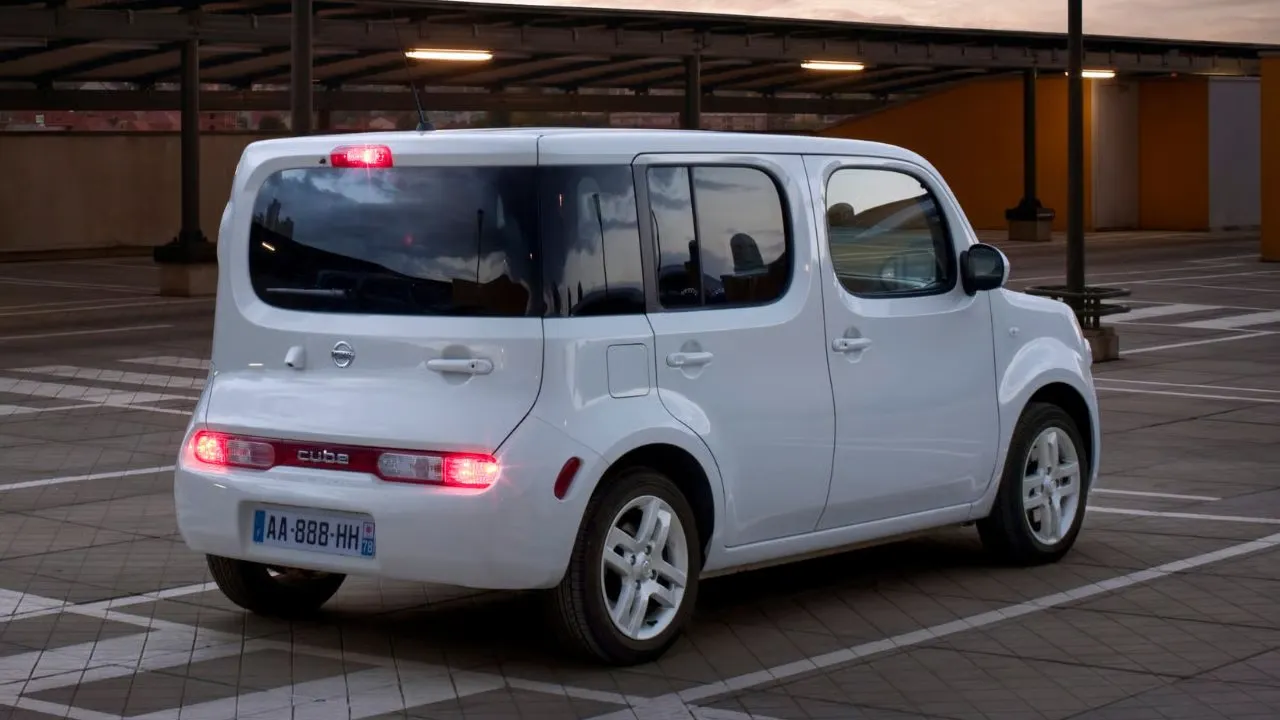
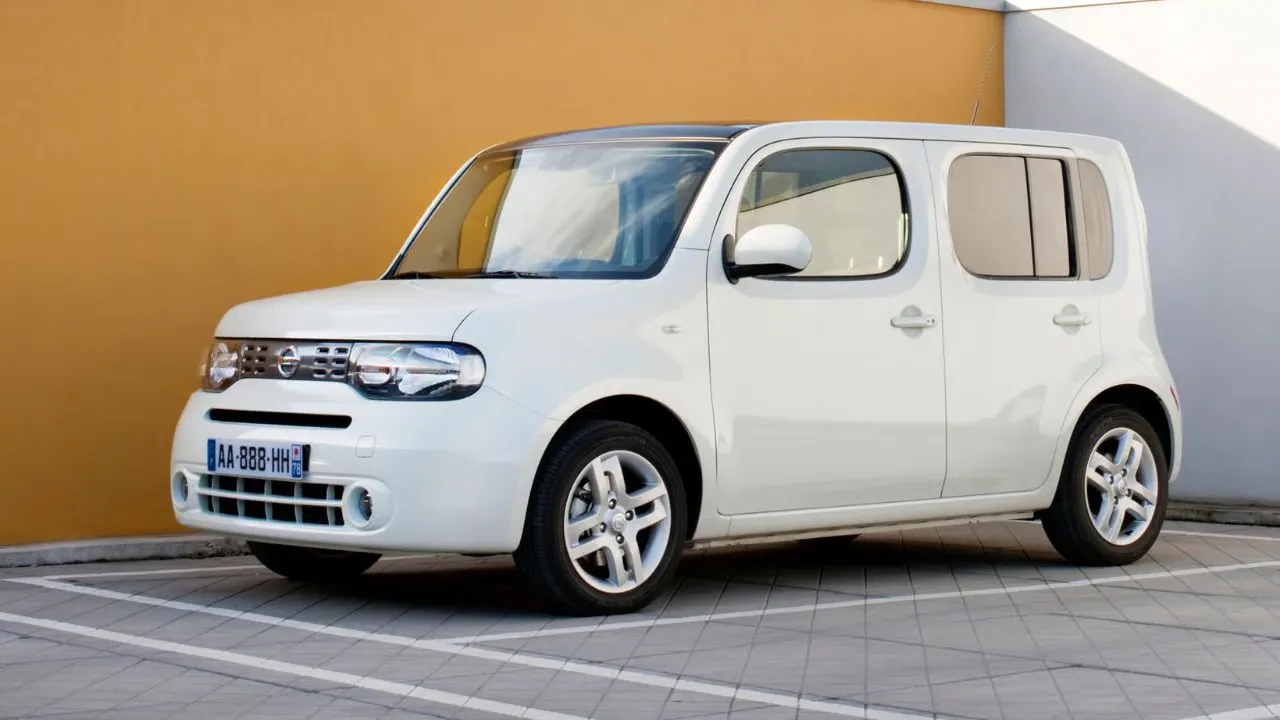
Was it a commercial success in Europe? Not really. In France? Even less so. Eighteen units sold in 2009, 936 in 2010, 130 in 2011, and then that was it. It wasn’t destined for greatness like the Golf. Did it make an impact on pop culture like another vehicle with bold design, the AMC Pacer which later became the star of Wayne’s World? Also not really. It was Miss Juniper’s car, the music teacher Seymour Skinner falls in love with in episode 11 of season 22 of The Simpsons — does that count? Well, maybe not really.
If we talk seriously for a couple of minutes, beyond its appearance which didn’t necessarily win everyone over, the Nissan Cube was mainly let down by a slightly ambitious pricing structure. Otherwise, it checked many boxes that remain highly relevant today: an excellent balance between space and compactness, modular design thanks to a highly adjustable rear seat, remarkable brightness from its generous glass surfaces and large panoramic roof, as well as a ceiling height comparable to that of Strasbourg’s Notre-Dame.
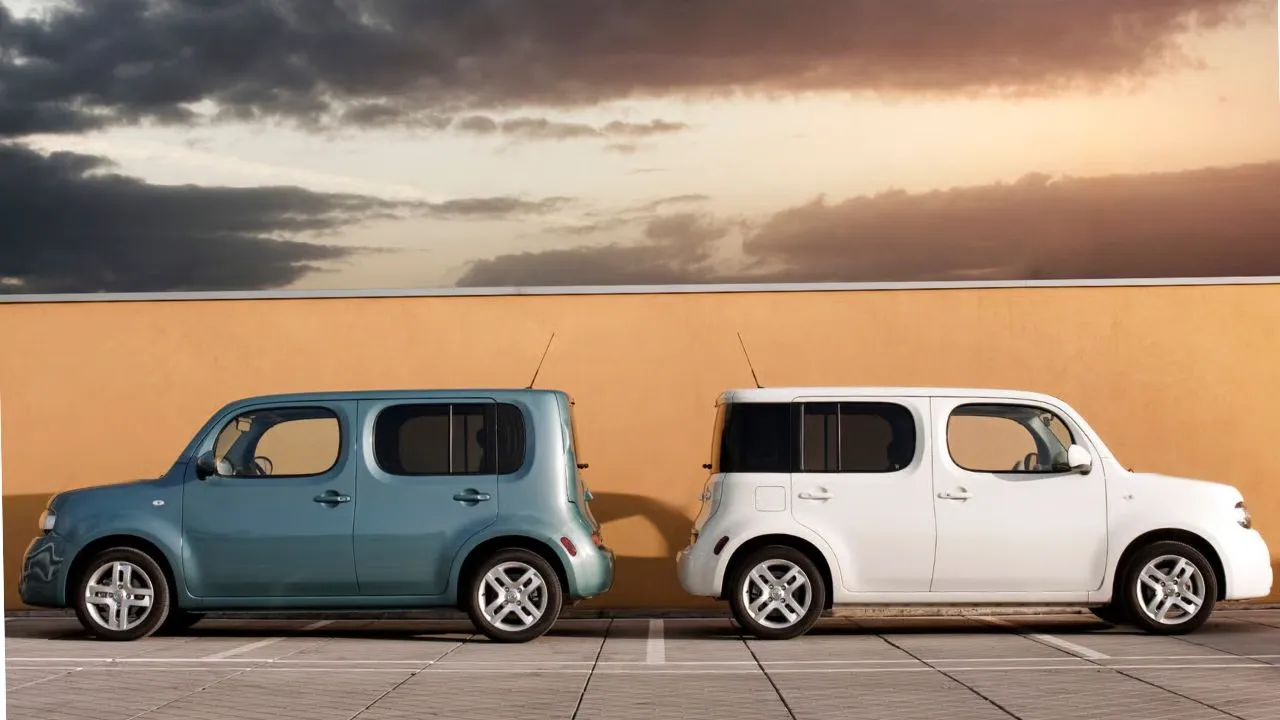
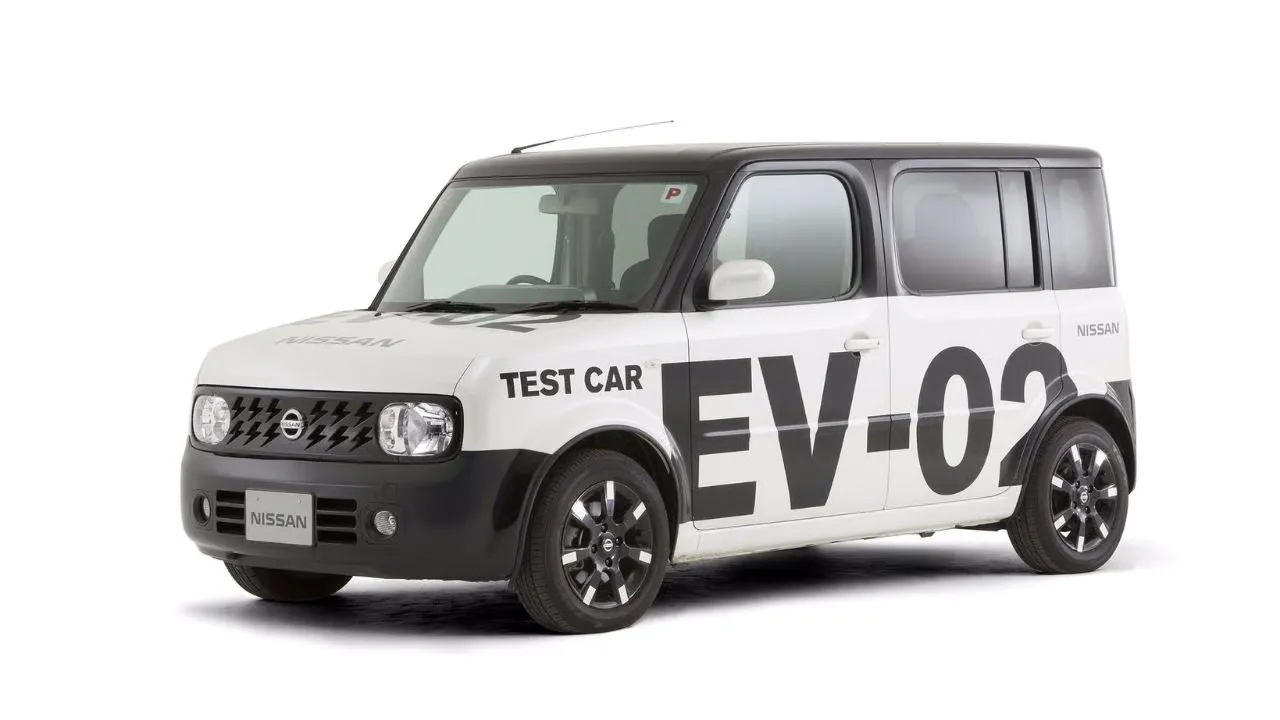
Technically, the recipe was already the same as today, with components such as a B-platform from the Alliance and powertrains shared, among others, with the contemporary Clio. Fun facts from Automobile Propre: its gasoline version was equipped with the HR16DE engine, which is called H4M at Renault, and an Atkinson cycle variant still forms the thermal part of the E-Tech hybrid system today. This isn’t the only link between the Cube and electrification, as the EV-02 concept car unveiled in 2008 based on the previous Z11 generation was a prototype of the Leaf, featuring 109 horsepower and 35 kWh of battery capacity. Electrification is already part of its DNA—admit it.
Let’s continue here with these good habits, starting obviously with the Ampr Small platform and its two accompanying GMP variants: 120 hp with 40 kWh of battery and 150 hp with 52 kWh. For the design lines, we follow the approach used for the Micra R5—keeping only the roof intact—but in reverse: goodbye to the rounded shapes of the R4; we add more angles, make the trunk lid more vertical, move its hinges to the left, incorporate as much glass surface as possible in a style reminiscent of Leroy Merlin verandas, and most importantly, forget the mirror image in Photoshop and bring back some asymmetry to the rear, if you’ll allow me that expression. We don’t need to look far for inspiration—the Nissan Hang Out concept, released in 2021 and forgotten by everyone except me, is an excellent source. Install a small mat on the dashboard, create a “Plein Sud” version using rice paper fabric, and don’t—
It’s not the same error as the Micra, with colored velvet and soft materials added to the interior this time, and all that’s left is to sign in the bottom right — the work of art is right before your eyes. You can even call it an SUV if you want, since it no longer means anything, but please spare these fenders from any kind of crude plastic extension; the public can take no more.So that’s how we do it, Nissan? Very well. For the next episode, we’ll talk about the revival of the Nissan Prairie based on the Renault Scenic.