
After 100,000 kilometers around the world, how has the battery of this Volkswagen ID.Buzz aged?
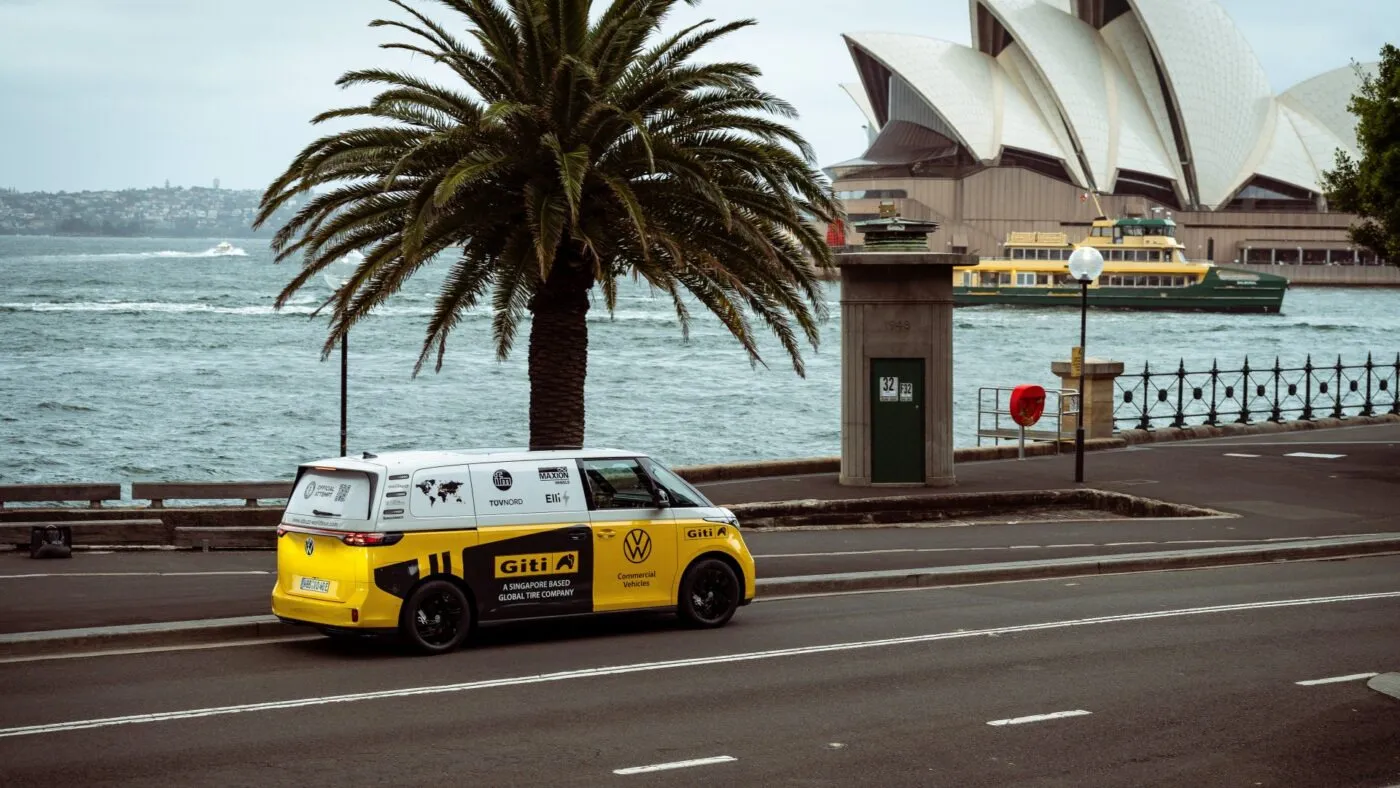
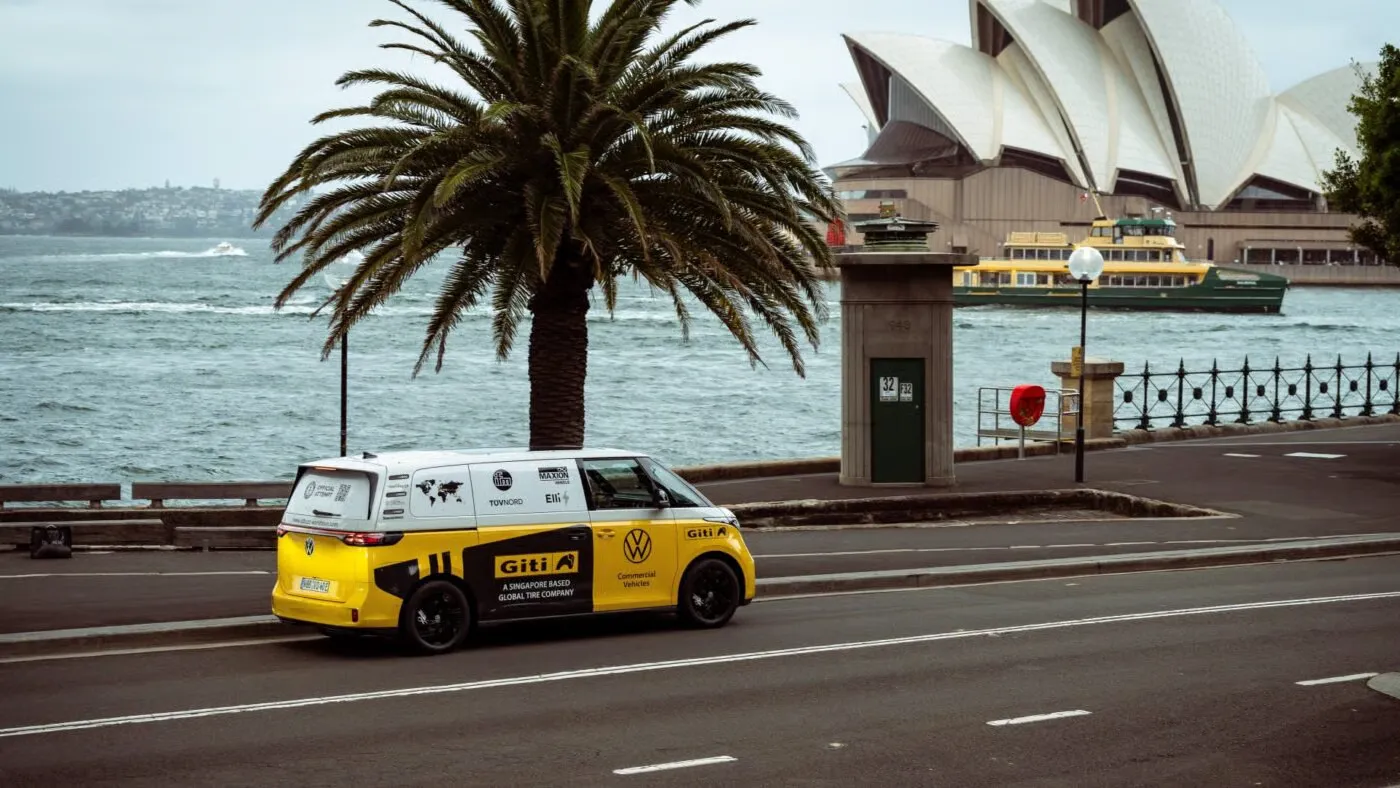
Traveling around the world in an electric vehicle is a truly remarkable adventure. Rainer Zietlow has just completed a journey of 99,767 kilometers aboard a standard Volkswagen ID.Buzz. After 445 days, visiting 92 countries, and undergoing over 300 charge sessions, the electric van returned to Hanover. But what condition do you think its battery is in now?
Starting from Hanover on July 1, 2025, Rainer Zietlow returned there on September 14, 2026. In between those dates, he covered nearly 100,000 kilometers, crossed six continents, and completed more than 300 charge sessions—just that! It’s a rather unusual real-world test environment for assessing the aging of an electric car. And the results are interesting.
92 Countries and Over 300 Charge Sessions
The long-wheelbase ID.Buzz Pro used for this journey was a production vehicle equipped with an 86 kWh net battery. Volkswagen claims a WLTP range of between 483 and 498 km depending on the configuration, along with fast charging capable of up to 200 kW. During its trip, the vehicle crossed 92 countries and underwent more than 300 charging cycles.
The journey certainly wasn’t a simple drive along the Ionity network from one end of the planet to the other. In Zambia and Tanzania, the brand explained it had to connect directly to national power grids due to a lack of public charging stations. Sixteen sea crossings aboard container ships were also required.
This adventure allows the German driver to set a Guinness World Record: for the highest number of countries visited in a continuous journey using an electric vehicle.
SOH Still at 95.75%
Also Read
Battery Health: Can We Really Rely on the SOH of Used Electric Vehicles?
Volkswagen also claims that its ID.Buzz experienced no technical failures during those 445 days. It’s important to keep the context in mind: this operation is supported by the manufacturer, and a single vehicle doesn’t allow conclusions to be drawn about the entire fleet. Nevertheless, this experience provides interesting data on the aging of a battery under intensive use.