
80% subsidies for electric cars are a “marketing tactic,” says ACAP
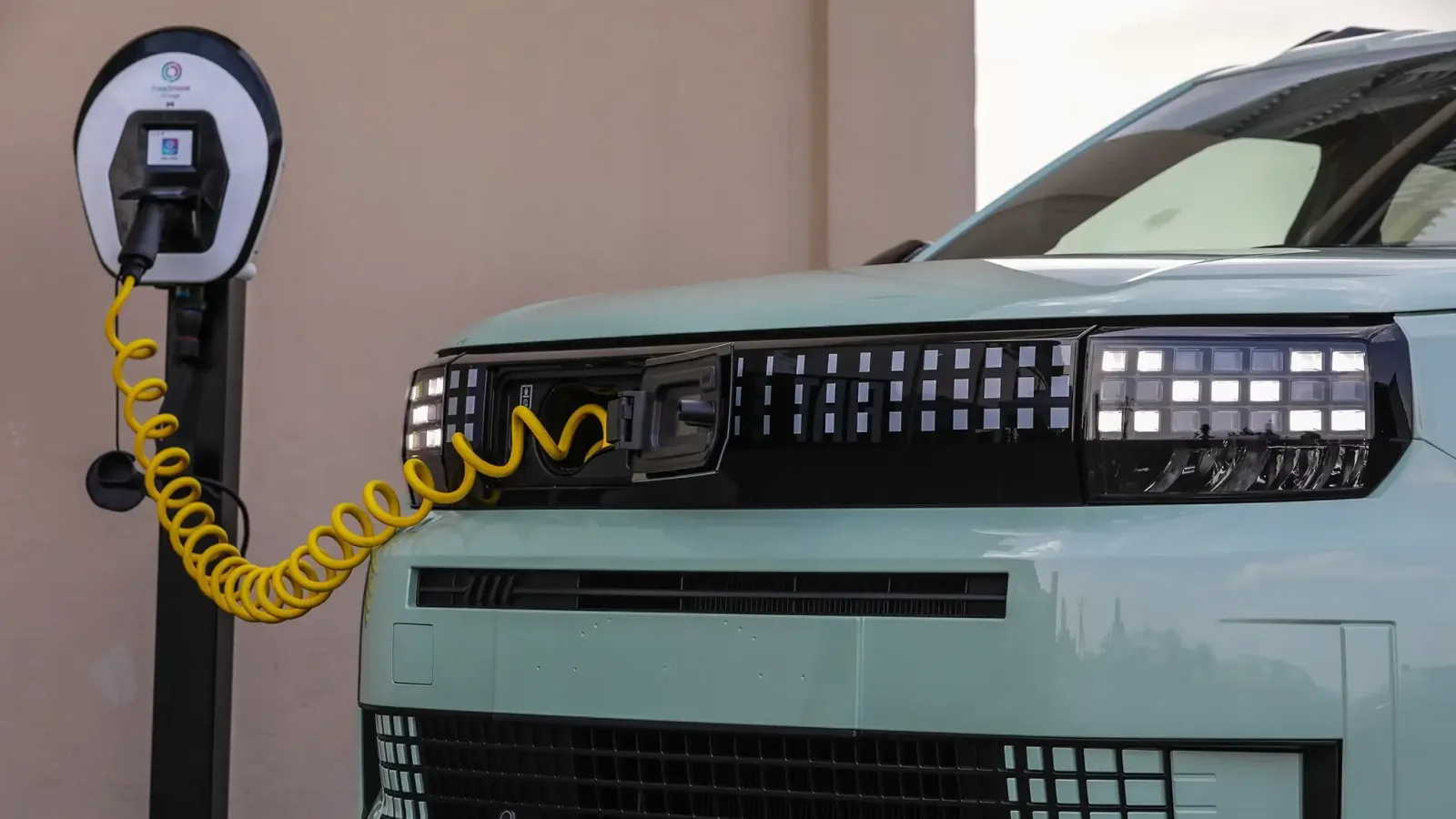
The ACAP general secretary questions the effectiveness of the new 80% subsidies for electric vehicles and fears they will have little practical application.
The government announced this week a new incentive program for purchasing electric cars, with subsidies that can reach up to 80% for low-income families.
But this measure is far from convincing the Portuguese Automobile Association (ACAP), which represents the automotive industry companies in our country. In exclusive remarks to Razão Automóvel, the association’s general secretary, Helder Pedro, expressed significant skepticism about the program’s effectiveness.

According to ACAP, the problem lies not in the intention to support the most vulnerable families, which they consider positive, but rather in the access conditions and financial capacity of potential beneficiaries.
80% support that may not reach them
This new incentive introduced by the Ministry of Environment and Energy is intended for two groups of beneficiaries: consumers covered by the Social Electricity Tariff and families with annual incomes below 11,572 euros.
As for the program itself, it aims to cover up to 80% of the cost of purchasing a new electric vehicle, excluding VAT, with a limit of 15,000 euros before taxes. Or, in the case of a vehicle to be scrapped, 16,000 euros.
For Helder Pedro, these are conditions that may hinder the practical implementation of this measure, especially since, he notes, the fact that the affected families have particularly low incomes raises doubts about their ability to afford the portion of the price not covered by the state.
We view with great skepticism any demand for this within the Social Electricity Tariff, he said. He also mentioned it is “a pity” that private customers not covered by this scheme still receive the same support for buying electric vehicles as previously available, which was exhausted in less than two hours in 2026.
ACAP calls for more comprehensive support
With this new program, the government aims to support the purchase of around 20,000 electric vehicles for low-income families. However, Helder Pedro believes it would be more effective to provide a similar number of general incentives for buying electric vehicles, without the same criteria based on economic vulnerability.
It should be noted that for private individuals, the subsidy for purchasing new 100% electric light passenger vehicles up to 38,500 euros (including VAT) in 2026 was 4,000 euros, allocated across only 1,375 incentives, which were all claimed within less than two hours.
At this level, Helder Pedro expected new developments and an increase in the incentives available: “That number (1,375 incentives in 2026) which gets exhausted in five minutes should be 10, 15, or 20 thousand cars,” he confessed, admitting that such incentives should be linked “to a robust vehicle retirement program.”
Regarding this, and in response to the fact that this new support for low-income families comes with an additional incentive of 1,000 euros for vehicle retirement, Helder Pedro revealed that “in 2009 we already had an incentive program worth 1,250 euros,” admitting that “the amount could indeed be higher to encourage more people to surrender their old cars.”
DO NOT MISS:
These electric cars cost less than 5,000 euros thanks to the government’s new support
For ACAP’s secretary-general, the incentives announced now are “positive,” but insufficient to bring about a significant change in the age of Portugal’s vehicle fleet. “They are merely temporary fixes,” said Helder Pedro.
It should be noted that although some of the eligibility criteria are already known, the final regulations have not yet been published, the application procedures need to be clarified, and it remains unknown how much funding will be available for purchasing electric cars in Portugal.