
He announced a factory to produce 100,000 electric cars per year, yet only sold 660 in 9 months: the problem plaguing this brand
China has become the world’s leading power in electric vehicles, with manufacturers capable of developing new models at high speed, prices that are hard to match, and an increasingly strong international presence. However, behind this expansion, a much less favorable reality is emerging: some companies can barely sell cars in their own market, while the country possesses industrial capacity far exceeding its needs.
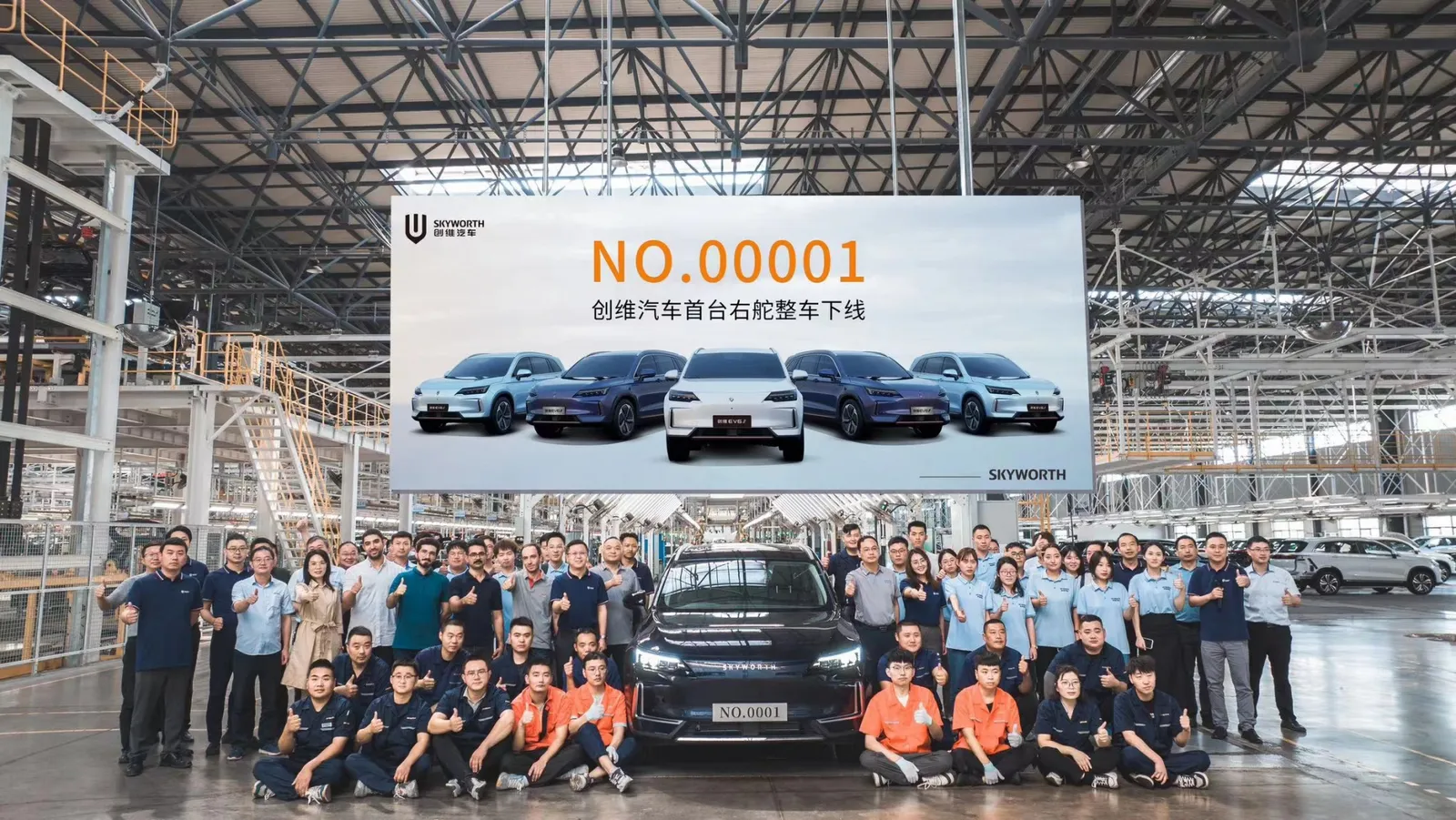
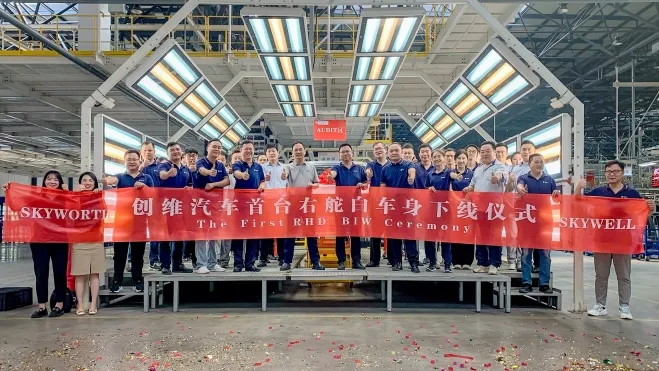
One of the most striking examples is Skyworth Auto, a Chinese electric vehicle manufacturer that in 2021 announced its main factory had the capacity to produce up to 100,000 cars per year. Five years later, the company’s sales in China during the first nine months of 2026 barely reached 660 units, according to a report published by the U.S. newspaper The Wall Street Journal.
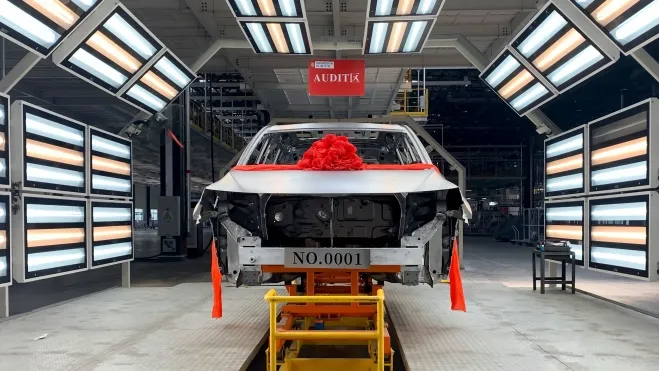
The difference between the two figures is enormous, although it should be noted that the 660 units refer exclusively to domestic sales and not to the factory’s total production. Skyworth also has international operations, so it is not possible to determine the actual utilization rate of its facilities based solely on this data. In any case, these figures illustrate the difficulties faced by certain manufacturers in finding buyers in the world’s largest automotive market.
A factory for 100,000 cars and practically empty dealerships
The Wall Street Journal’s investigation describes a particularly striking situation at Skyworth Auto’s retail outlets. At its exhibition in Nanjing, the company showcases new electric vehicles and promotes its presence in 45 countries, while trying to project an image of an international-minded manufacturer. However, this activity stands in contrast to its weak sales in China.
Journalists from the American newspaper visited several of the brand’s locations over the summer and found some stores without cars, workers, or customers. Other sales outlets that were still listed as dealerships had stopped operating. This situation reflects the company’s commercial difficulties, as it struggles to sell vehicles in its home market despite having ongoing projects and an international presence.
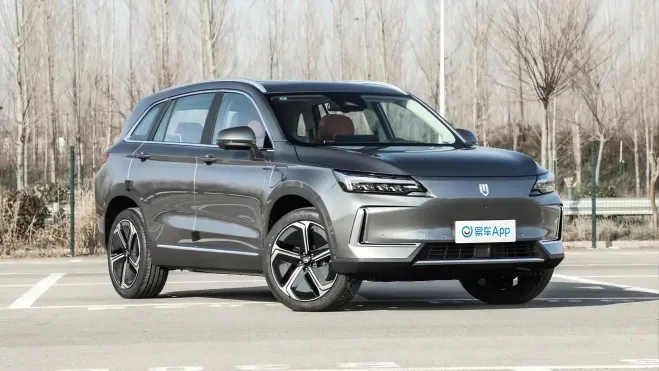
The survival of these companies is also tied to the support of local governments. According to investigations, a Nanjing district government holds a 5% stake in the electric vehicle manufacturer affiliated with Skyworth. The authorities have backed the project’s development, in line with an industrial strategy that has for years promoted the establishment of electric vehicle companies and factories in various regions of China.
China can produce 63 million cars per year, but its market is shrinking.
The problem extends far beyond Skyworth. According to data from consultancy Mobility Global cited by The Wall Street Journal, China has facilities capable of producing approximately 63 million light vehicles per year. This capacity far exceeds the domestic demand projected for 2026, highlighting the scale of investments made in recent years.
The situation is particularly delicate because domestic car purchases have dropped by around 22% in the first nine months of the year, according to the survey figures. Cui Dongshu, secretary general of China’s automobile association CPCA, predicts the market will close 2026 with around 18.5 million vehicles, its lowest level since 2014.
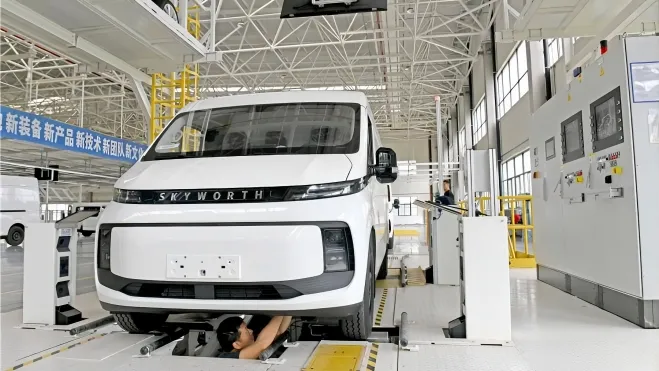
This decline is compounded by the extreme fragmentation in the industry. According to calculations by AlixPartners cited by the U.S. newspaper, China had 143 electric vehicle brands selling at least one model by the end of 2025. The presence of so many competitors makes it difficult for all of them to achieve the necessary volumes to turn their investments into profits and sustain viable industrial operations.
Overcapacity affects not only electric vehicles. Some of the excess capacity comes from factories dedicated to internal combustion engines that have ceased operations as electric and plug-in hybrid vehicles have gained prominence. While some traditional plants are reducing production, newer facilities designed for these new technologies continue to operate.
A price war that is starting to harm manufacturers
Intense competition has triggered a trade war that is squeezing profit margins across much of China’s manufacturing sector. According to data from AlixPartners cited by The Wall Street Journal, car prices in the country have dropped by nearly 20% since early 2023. While this reduction has benefited buyers, it has also complicated the profitability of numerous companies.
During the first eight months of 2026, China’s automotive industry’s profit margin was around 3.6%, one of the lowest levels in recent years. This situation forces many manufacturers to continue offering promotions, cutting costs, and seeking higher production volumes, even when demand does not grow at the pace they had anticipated.
Local governments also face a difficult decision. Closing factories can lead to job losses, reduced tax revenue, and harm investments in certain regions. As a result, some authorities continue to support industrial projects that have not yet reached sufficient commercial scale, delaying the consolidation process that many analysts consider necessary.
Europe, increasingly important for Chinese brands
One of the main consequences of this imbalance is the growing importance of exports. Faced with the difficulty of absorbing all their production capacity in the domestic market, Chinese manufacturers are seeking new buyers in Europe, Latin America, Australia, and other regions where growth opportunities still exist.
According to projections cited by The Wall Street Journal, China could export around 12 million cars by 2026, up from approximately one million units per year at the beginning of this decade. This increase is reshaping global automobile trade and increasing competitive pressure on European manufacturers, especially in segments where price is a decisive factor.
The situation presents a considerable contradiction. While companies such as BYD, Geely, and Chery are strengthening their international presence, other Chinese manufacturers are struggling to maintain minimal business activity in their own country. China’s large industrial capacity remains a competitive advantage, but the excess of factories and brands also threatens to trigger a profound restructuring of the sector.
Skyworth’s case illustrates that imbalance. A company that claimed the ability to produce 100,000 electric cars per year has managed to sell only 660 units in China from January to September, although its domestic production and sales are not included in this figure. The challenge for China’s industry is no longer merely to manufacture cheaper and more advanced electric cars, but to find enough buyers to sustain all the investments made.