
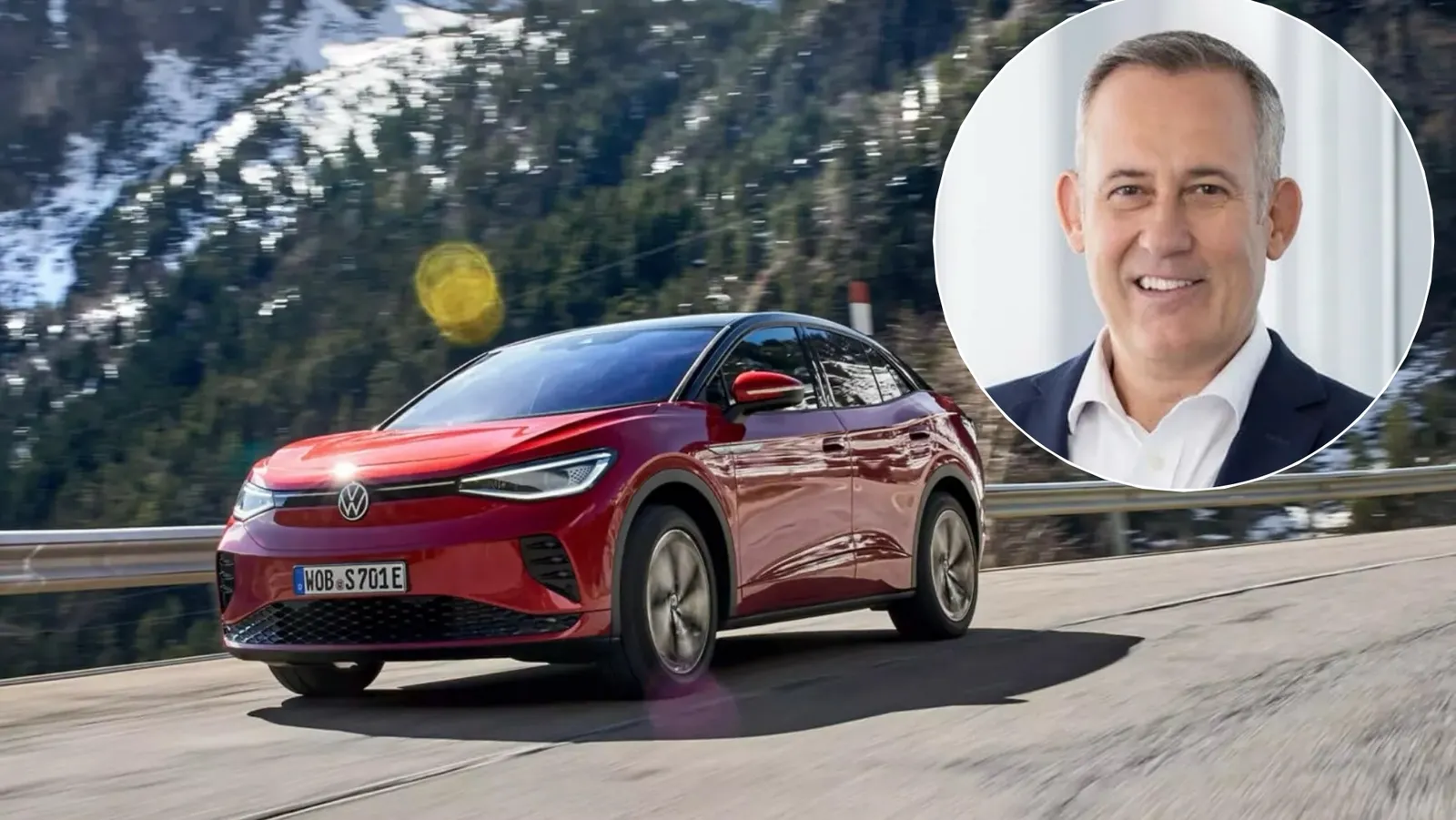
Volkswagen’s Anthony Bandmann sounds the alarm: declining values of electric cars are putting pressure on the brand
06/09/2026 13:30
Updated to
06/09/2026 13:30
The shift toward electric mobility is transforming not only manufacturing lines or dealerships but also the economic structures that support major automakers. In Germany, the vast majority of drivers operating Volkswagen vehicles powered solely by batteries did not purchase them outright. Over 80% of the brand’s registered electric models appear directly on Volkswagen Financial Services AG (VWFS)’ balance sheets through lease agreements and financing arrangements.
This focus on temporary usage models shifts all the pressure to the car’s subsequent lifecycle. By relying on contracts where the customer returns or can return the vehicle after several years of use, the actual profitability of the finance division depends on the performance of the used car market. When battery-powered models end their initial contracts and must be resold as used vehicles, the value they retain directly determines the group’s operational gains or losses.
VWFS, the largest company within Volkswagen Group

The cost increase resulting from residual value risks has become the main pressure factor for the company. As used electric vehicles enter the second-hand market at resale prices lower than initially estimated when leasing contracts were signed, the company must deal with the gap between the projected depreciation and the actual value of the used car. This discrepancy affects a structure on an enormous scale.
Volkswagen’s financial division, led by Anthony Bandmann, manages a balance sheet of around 290 billion euros and faces annual refinancing needs of approximately 115 billion euros. These figures require meticulous monitoring of the amortization for each vehicle returned. Volkswagen Financial Services reported higher profits in the first half of the year than any other car brand within the group. It’s no surprise that Bandmann himself claims to be concerned.
Thousands of cars on the verge of being returned
As fewer new cars are purchased and more are rented, the number of vehicles whose residual value must be calculated by financial institutions increases. According to the annual report, the risk associated with declared residual values rose by over one billion euros between 2024 and 2025, reaching nearly 5.9 billion euros. If the calculations deviate by even just one percentage point on average, the cost rises to nearly 60 million euros. In its interim report for the first half of 2026, the company states that these risks have increased again since the start of the second quarter.
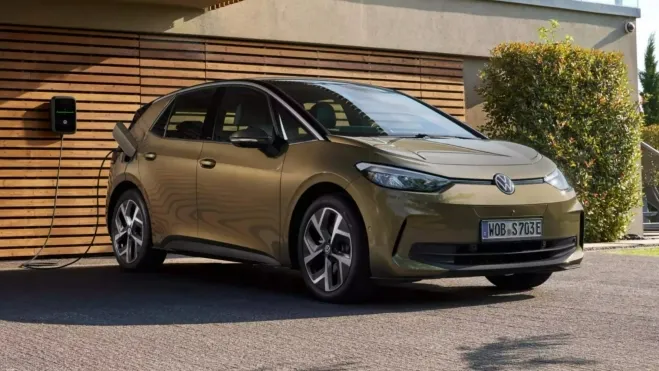
It is also predictable which cars will be returned in the near future. Over the next few months, a large number of used first-generation electric models, including the ID.3 and ID.4, will reach the end of their leases. Selling them will likely be difficult, partly because government subsidies make new electric cars more attractive to potential buyers. “We’re sitting on a time bomb,” said an internal source. Their prices will also be influenced by the availability of a newer, more advanced generation.
Financial market reaction and management’s stance
Despite the scale of these figures and constant scrutiny from investors, the market remains calm and maintains confidence in the entity’s solvency. Industry analysts are closely monitoring the evolution of the residual value of electric vehicles, with no extraordinary liquidity pressures observed so far. From Volkswagen Financial Services’ management team, led by Bandmann himself, a message of operational stability has been sent. The leadership has firmly ruled out any plans to cut staff or sell business units in order to mitigate the impact of depreciation on returned electric cars.
This is just another item on the long list of concerns currently weighing on Volkswagen Group. In addition to tens of thousands of layoffs, mainly in Germany, Volkswagen is preparing a significant reduction in its product lineup, although it is becoming increasingly likely that new models from China will appear in Europe.
Source: Manager Magazin