
Before buying a used electric car, this is what you need to do
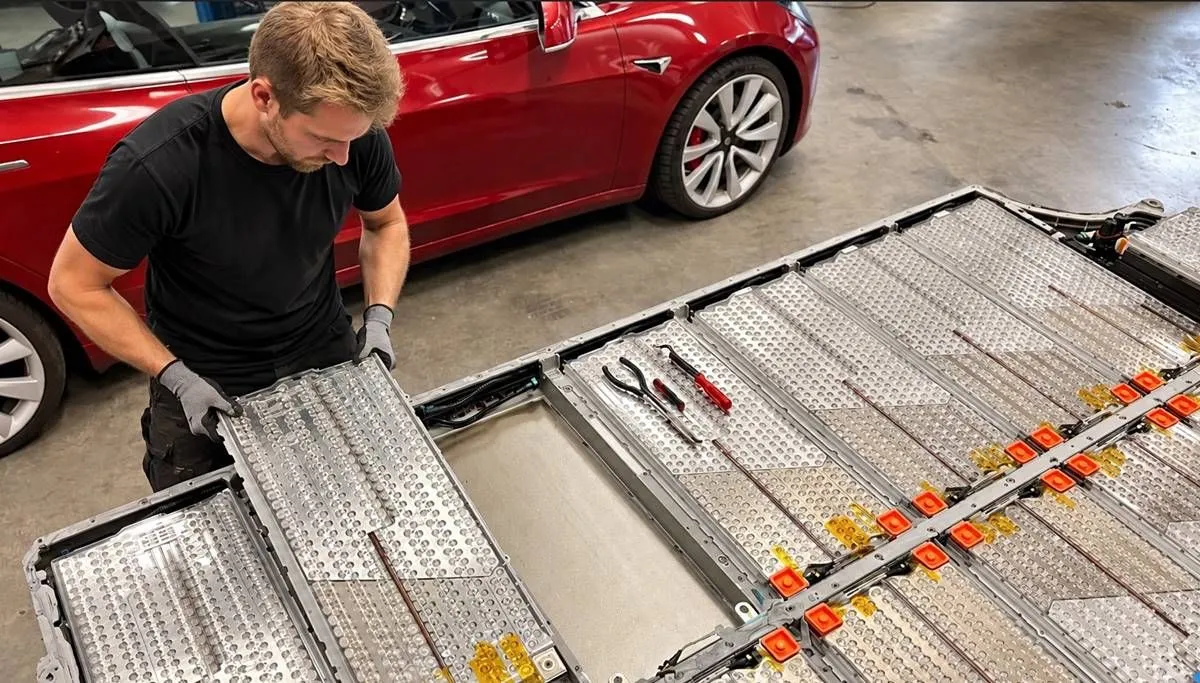
Purchasing a used electric car allows you to get models that were too expensive in new condition for our budget. But before making a decision, it’s wise to follow some tips to ensure the purchase turns out successfully.
A used electric car can be a very reasonable buy. Especially if you’re looking for a model to use for years and find one whose price has already absorbed much of the initial depreciation or that has benefited from government subsidies. However, there are several checks worth doing before placing an offer between an attractive ad and a good deal.
The first approach is to temporarily forget about the original cost. Just because the seller paid a high price four years ago doesn’t determine its value today. A useful comparison is with alternatives you can buy now, whether new or used, taking into account equipment, range, condition, and operational status. The discount from the original price tag might seem impressive, but it may still not be sufficient.
It’s also important to put all offers on the same scale. A price that depends on financing isn’t equivalent to a cash price, and a low monthly payment could hide a high upfront cost or a large final installment. Ask for the total amount you’ll end up paying and include transfer fees, pre-inspection costs, and any immediate outlays. If you need tires right after purchasing, they should be part of the budget.
Battery, Range, and Charging: What to Check Before Buying
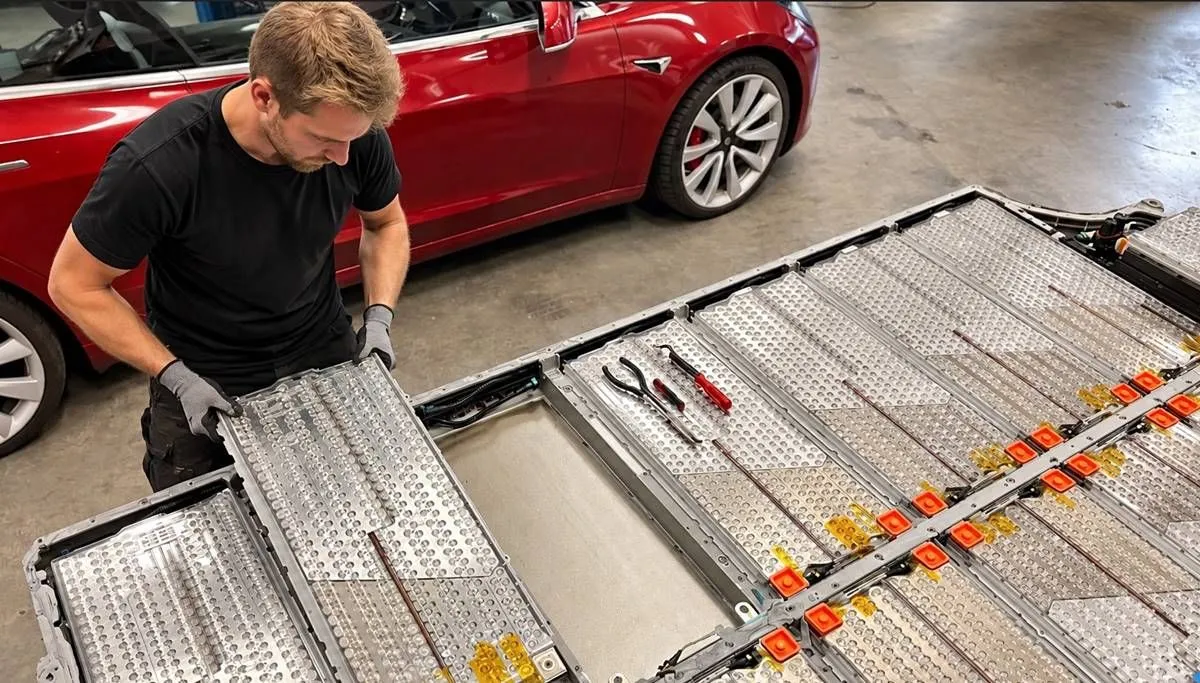
The battery deserves attention, though simply checking the car’s mileage isn’t enough. ADAC recommends that the seller be able to prove its condition through documentation and tests. A maintenance record helps, but a statement like “charges perfectly” doesn’t indicate how much capacity it still has and can’t replace a professional diagnosis.
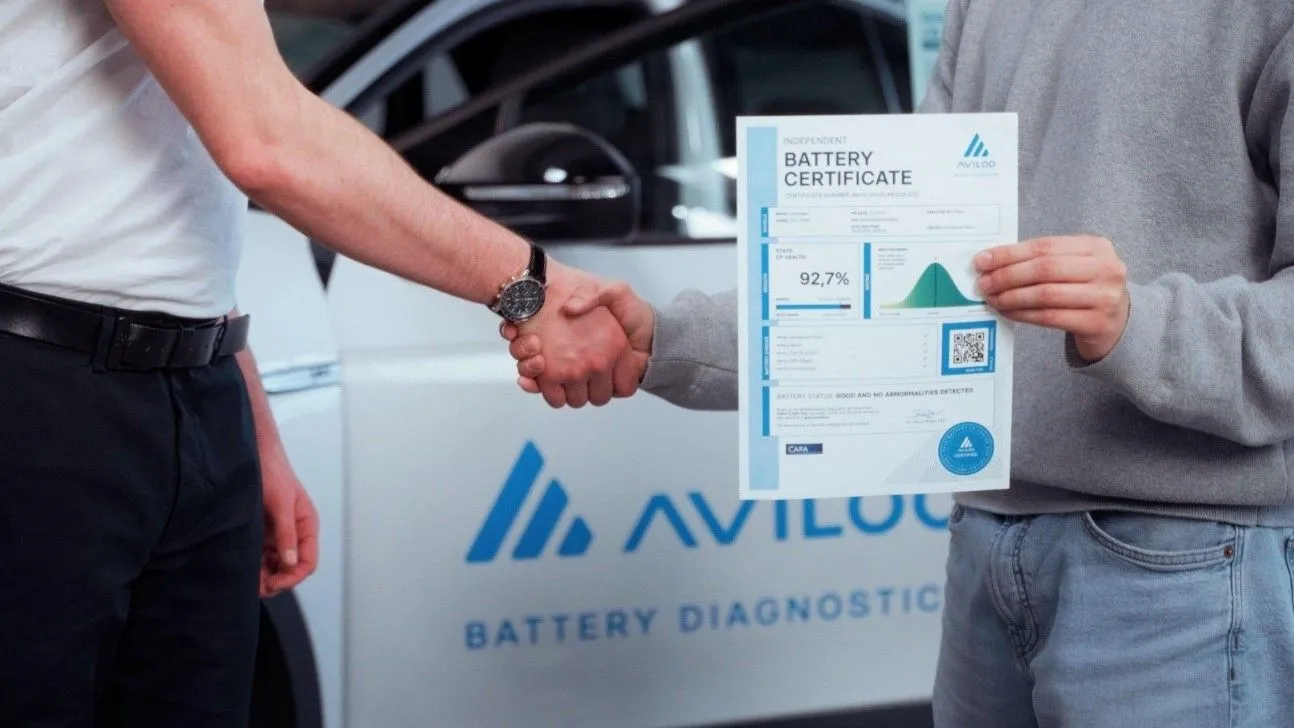
The most useful thing is to have a recent battery report linked to that specific unit, including the date, mileage, and charging procedure used. There are tests that analyze performance during driving and estimate the available energy compared to its original condition. A certification helps assess the purchase better, though its accuracy depends on the method employed.
The health status, usually referred to as SoH, should not be confused with the charge percentage either. A car might show 100% after being plugged in and still store less energy than when it was new. Therefore, a photo of the dashboard showing a fully charged battery does not answer what the buyer really wants to know: how much energy it can actually use.
We can illustrate this with a calculated example. A battery that originally provided 60 kWh of usable capacity and retains 90% of that would have approximately 54 kWh available. With a consumption rate of 18 kWh per 100 km, the theoretical range would be around 300 km. If you use the battery between 80% and 100% capacity during a trip, this range would drop to about 210 km. These are approximate calculations, but they help determine whether the car is suitable for your needs.
That’s the next check: buying enough range for your trips. An older model may handle short distances just fine but can be impractical for frequent travel. Look for tests of the specific version, especially on highways and in cold weather. The certified range serves as a comparative reference but doesn’t cover all driving scenarios.
Also check what charging system the unit comes with. Even within the same model, there can be differences depending on version, year, and equipment. Verify the availability of fast charging, the connector type, and the AC charging capabilities. These are features that affect daily use and should be confirmed before being swayed by the price.
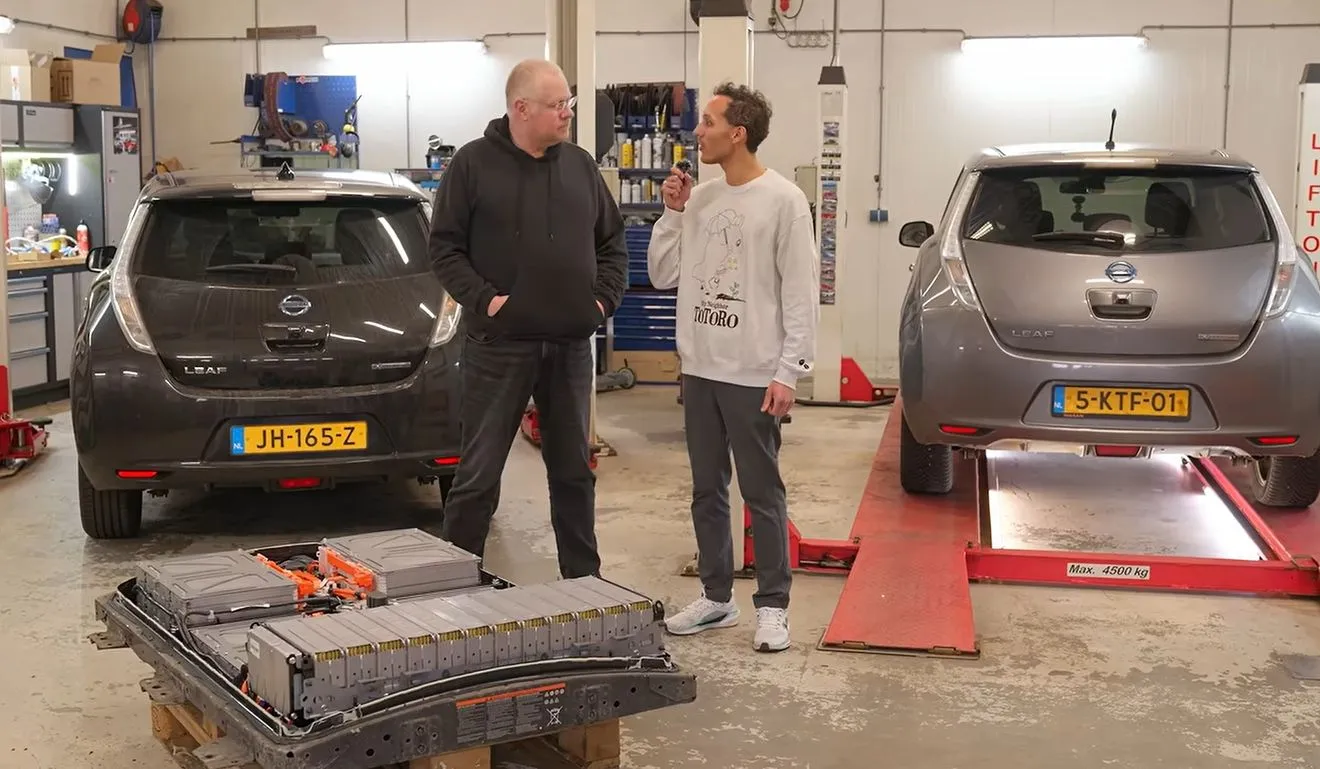
As a practical check, I would ask the seller for a test drive and a charging session, preferably along with a professional inspection. It’s important to observe whether there are any warnings, interruptions, or difficulties when locking and unlocking the connector. A low power output during a single charging session doesn’t necessarily indicate a fault—other factors such as the charger, temperature, and battery level also play a role.
The inspection should cover the entire car. A specialized center can check the brakes, steering, suspension, tires, body, undercarriage, and error memory, in addition to the battery. It’s easy to focus on the most expensive component and overlook other costs. A favorable capacity report does not automatically mean the rest of the car is in good condition.
Warranties and documentation you need to understand

Before negotiating the final price, ask in writing what warranties are still valid. It’s important to distinguish between the manufacturer’s commercial coverage, the battery-specific warranty, and the responsibilities of the professional seller. These can coexist, but they come with different timelines, limits, and conditions. The phrase “it’s still under warranty” requires much more detail to be useful.
In Spain, when a consumer buys a used car from a professional, the general period of liability for defects is three years, although a shorter term can be agreed upon, as long as it’s not less than one year. This does not mean coverage for any wear and tear or issue without conditions. It’s advisable to review the contract and determine which company is listed as the seller, especially when intermediaries are involved.
This same consumption regime does not apply in private transactions. The Civil Code provides for remedies for certain hidden defects and sets a six-month period from delivery for taking action. It should not be interpreted as a general six-month warranty against any malfunction: the nature of the defect and the circumstances of the sale are important factors.
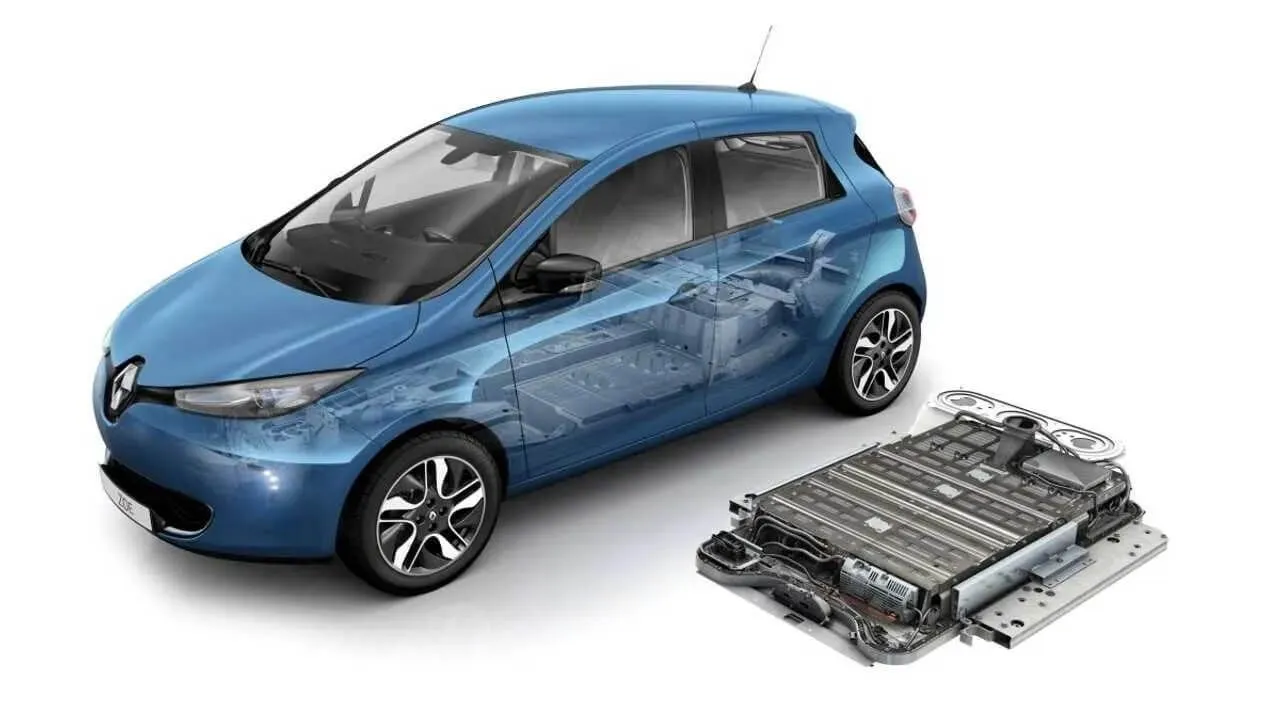
The manufacturer’s battery warranty requires independent verification. Check its start date, mileage limit, conditions, and how it is transferred to the next owner. For example, Tesla states that its limited new car warranty comes with the vehicle when ownership is transferred through the brand. Do not assume that all manufacturers follow exactly the same procedure.
To assess the remaining coverage, look at both the calendar and the odometer. In the case of an eight-year or 160,000 km warranty, a vehicle with five years and 150,000 km would have only 10,000 km of mileage remaining. Labeling it as a car with “three years of battery warranty” would give an incomplete picture of what is left.
Regarding documentation, request the full report from DGT before completing the transaction. It includes information on ownership, ITV history, recorded mileage and charges, along with other available data. It helps identify issues that a mechanical inspection does not reveal, such as administrative restrictions that could affect the transfer.

This report should be accompanied by the invoices and supporting documents provided by the seller. DGT collects maintenance records from workshops affiliated with its system, so it does not replace a complete repair history. Compare the dates and mileage, check the chassis number, and ask for clarification if the documentation does not match what was advertised.
Include in the contract the car’s identification, mileage, price, known defects, and included accessories. If a battery certificate is provided, it is advisable to attach it as an appendix. The cables, keys, and delivery terms should also be clearly specified to prevent a prior conversation from turning into a dispute after payment.
Finally, check the digital delivery process. For cars with a mobile app, having the keys does not always mean the transfer is complete. Tesla explicitly distinguishes between adding a driver and changing ownership: the latter process grants access to the new owner and removes the previous one. Verify the procedure specific to the model you purchase.
It might be worth paying a bit more for a unit that allows you to check all this out calmly. Saving money by buying used makes sense when you know what you’re purchasing and what expenses you can afford afterward. If the seller insists on a quick decision but hinders you from inspecting the car, the best move might be to keep looking.