
Electric car supply in the EU will increase significantly by 2026
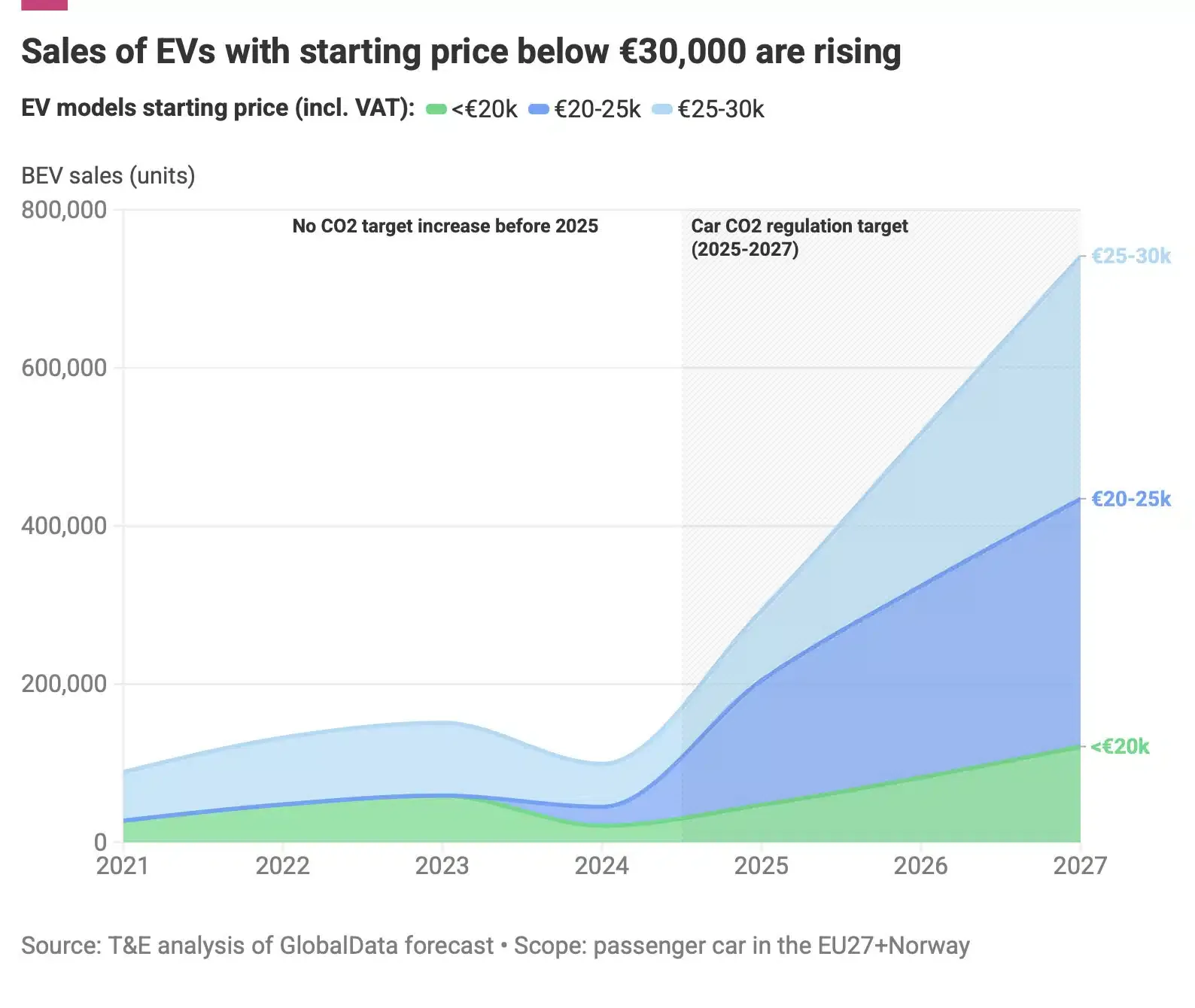
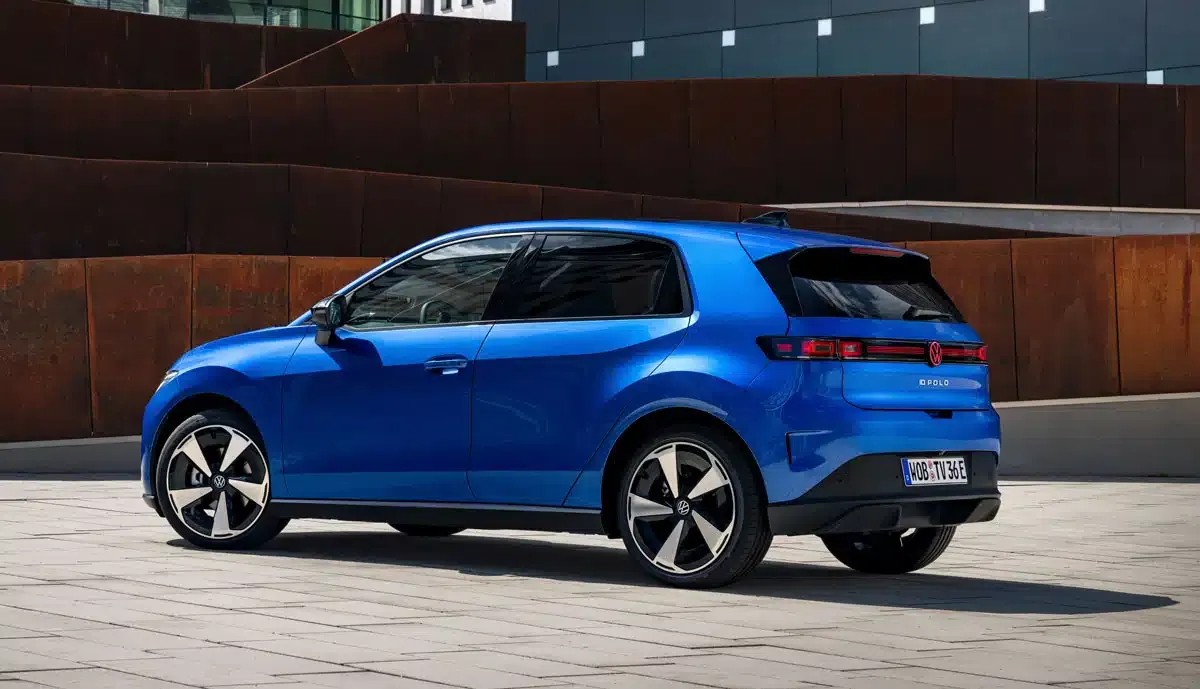
Image: VW
The supply of electric cars in the EU is set to increase significantly in 2026, according to a report by environmental organization Transport & Environment (T&E). Nearly 40 new all-battery electric vehicle (BEV) models entered the market in the first half of the year, raising the total number of BEV models for the mass market to over 150.
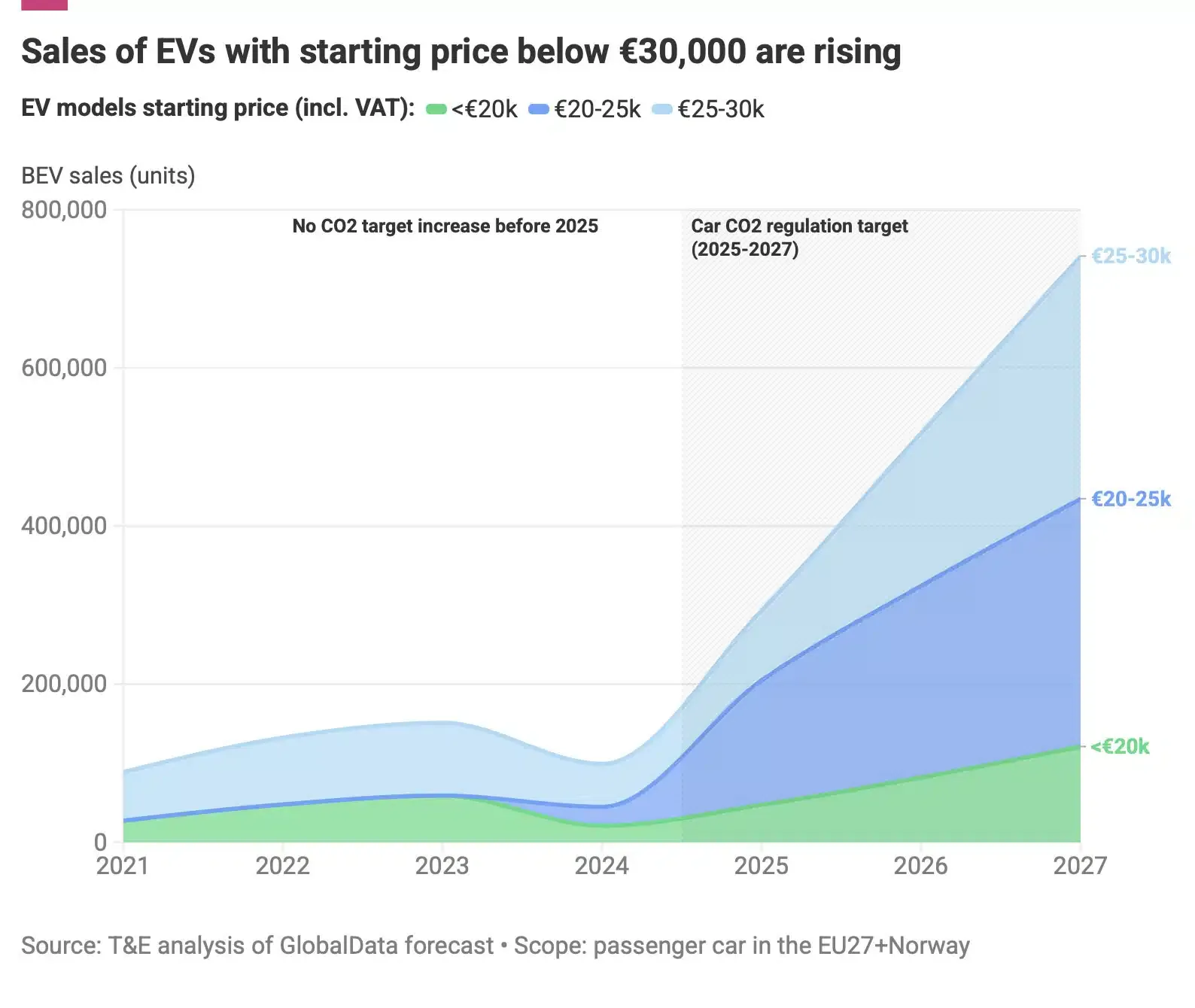
Around 60 new models are expected by the end of 2026, compared to an average of 15 new models per year between 2021 and 2025. The range of more affordable electric cars is also expanding. The number of available models with a starting price under 25,000 euros has doubled. Sales of these vehicles are expected to rise sevenfold this year compared to 2024.
"European drivers are finally seeing more of the smaller, more affordable electric cars they’ve been waiting for. The oil crisis has further fueled European consumers’ demand for inexpensive small electric vehicles," says Lucien Mathieu, head of the automotive division at T&E. "European automakers had long complained about a lack of demand. Now it’s clear: the problem wasn’t demand but supply. Consumers’ desire for small, affordable electric cars refutes the automakers’ claims."
According to T&E, between January and August 2026, a total of 1.64 million battery electric vehicles were sold in the EU. This represented a 45 percent increase compared to the same period last year. In the second quarter of 2026, BEVs surpassed conventional gasoline vehicles for an entire quarter, accounting for 22 percent of sales.
T&E attributes this to lower operating costs of electric vehicles and rising fuel prices. The oil price shock cost EU road users 53 billion euros. By mid-September, filling a 50-liter diesel tank cost 30 euros more than before the Iran war. Switching to an electric vehicle at the start of the crisis would have saved around 350 euros in operating costs by mid-September.
All European automakers are expected to meet the targets set for 2025 to 2027, which are seen as driving the new wave of electric models. For the period from 2021 to 2024 with unchanged targets, it is stated that manufacturers had only limited incentives to introduce affordable models.
"The EU targets for the automotive sector expand consumers’ choices, reduce the costs of switching to electric vehicles, and give European manufacturers a chance to keep up in the global race for electric vehicles," said Mathieu. "Softening the 2030 target would now result in almost three-quarters of affordable models being driven off the market just as they enter it, forcing millions of people across Europe into a paralyzing dependence on oil."
Also interesting
About the author
Thomas Langenbucher is an expert in electromobility with professional experience in the automotive industry and finance sector. Since 2011, he has been covering electric vehicles, sustainable technologies, and mobility solutions on ecomento.de. Learn more.
Reader interactions
