
Analyst sees new phase in Europe’s battery supply chains
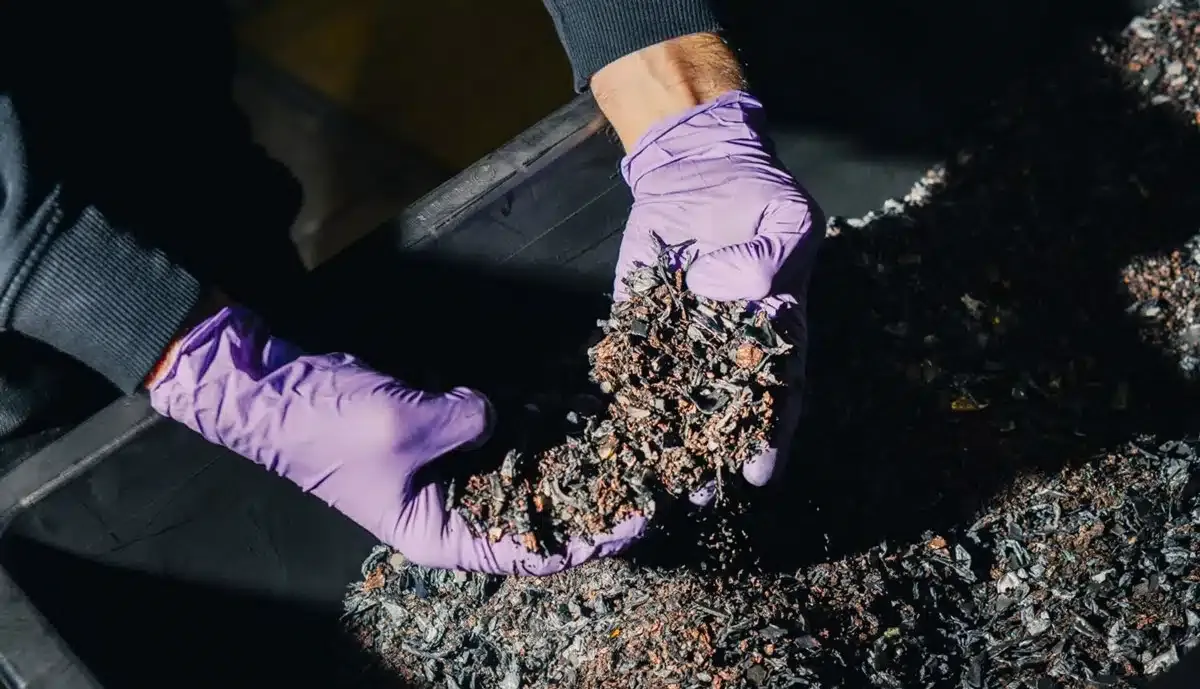
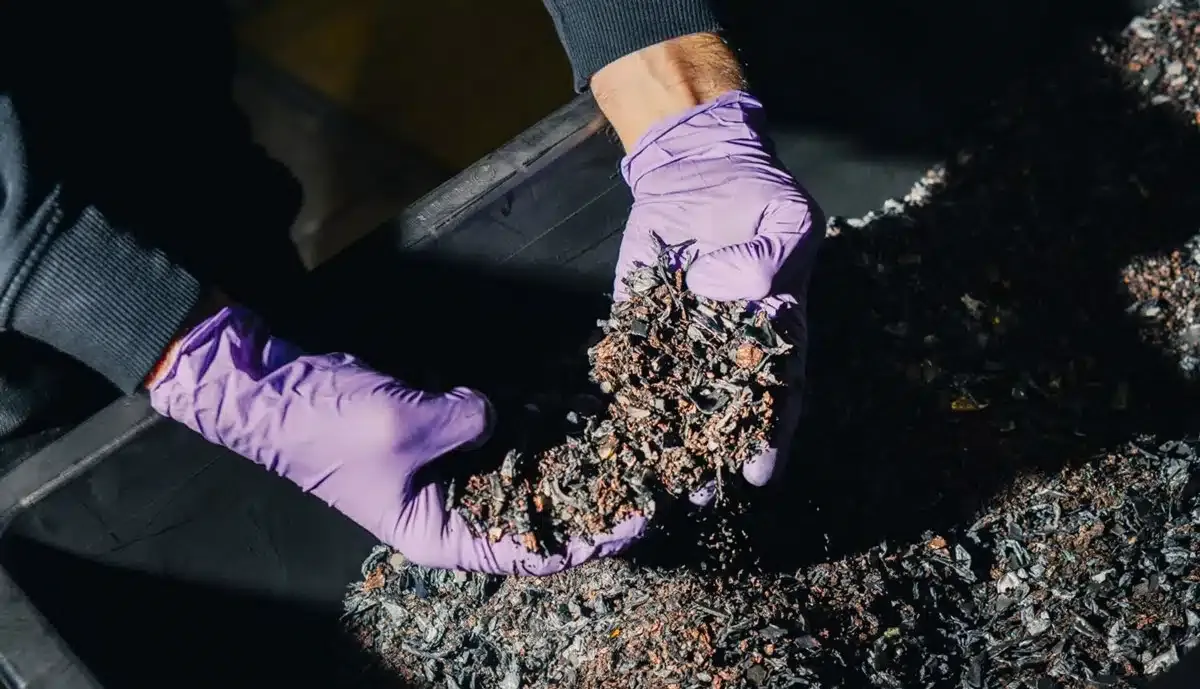
Image: Cylib | Jann Höfer
Porsche has produced battery cells as part of a recycling pilot project, whose cathode active material is entirely made from recycled lithium, nickel, cobalt, and manganese. The German recycler Cylib is one of the partners involved. Analysts at GlobalData see this as a step toward a new phase in localizing electric vehicle supply chains in Europe.
To enable recycling, used high-voltage batteries are recovered, converted into new active materials, and then integrated into new batteries. These battery cells are tested in Porsche vehicles. Since May 2026, Cylib has been processing used batteries from Porsche centers in Germany using a water-based recycling process.
Porsche also plans to create its own “material account” to track the recovered materials. The corresponding quantities are expected to be available for cell production starting in 2028. Competitors such as Tesla, BMW, and Mercedes-Benz are also pursuing recycling, sourcing, or partnership models to secure metals and reduce dependence on geopolitical risks.
EU Battery Regulation Increases Pressure on Manufacturers
GlobalData also points to the EU Battery Regulation, which sets higher requirements for information on CO₂ footprints and the recovery of recycled materials. Analyst Madhuchhanda Palit describes Porsche’s approach as part of an industry shift from “recycling as compliance” to “recycling as sourcing.” A closed material loop can, according to her, help mitigate supply shortages and assist in accounting for lifecycle emissions among other benefits.
For Germany, the project can help strengthen its position in the battery value chain according to GlobalData, while Asian suppliers dominate the processing of cathodes and precursor materials. Expanding hydrometallurgical capacity and integrating dismantling and refining processes could enhance capabilities in chemical processing. If operational tests confirm comparable performance and consistent quality, German manufacturers’ supply contracts may also shift more toward models based on recycled metals, according to Palit.
Cells made entirely from recycled cathode materials are still in the pilot stage. GlobalData identifies reproducible quality at larger scales, cost efficiency compared to primary materials, and consistent documentation of recycling proportions as key short-term factors. These factors will determine whether this approach moves from test fleets to mass production and strengthens Germany’s role in the global battery supply chain.
Also interesting
About the author
Thomas Langenbucher is an expert in electromobility with experience in the automotive and financial industries. Since 2011, he has been covering electric vehicles, sustainable technologies, and mobility solutions for ecomento.de. Learn more.
Reader interactions
