
Study: German Electric Vehicle Drivers Prefer to Charge in the Morning
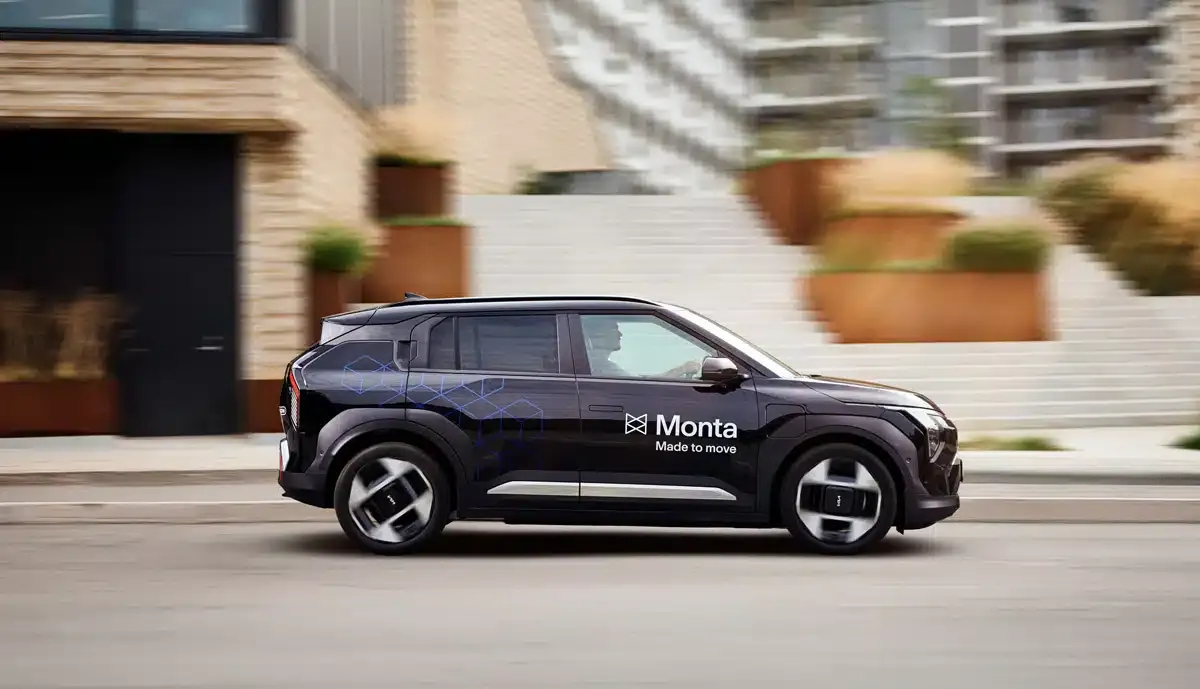
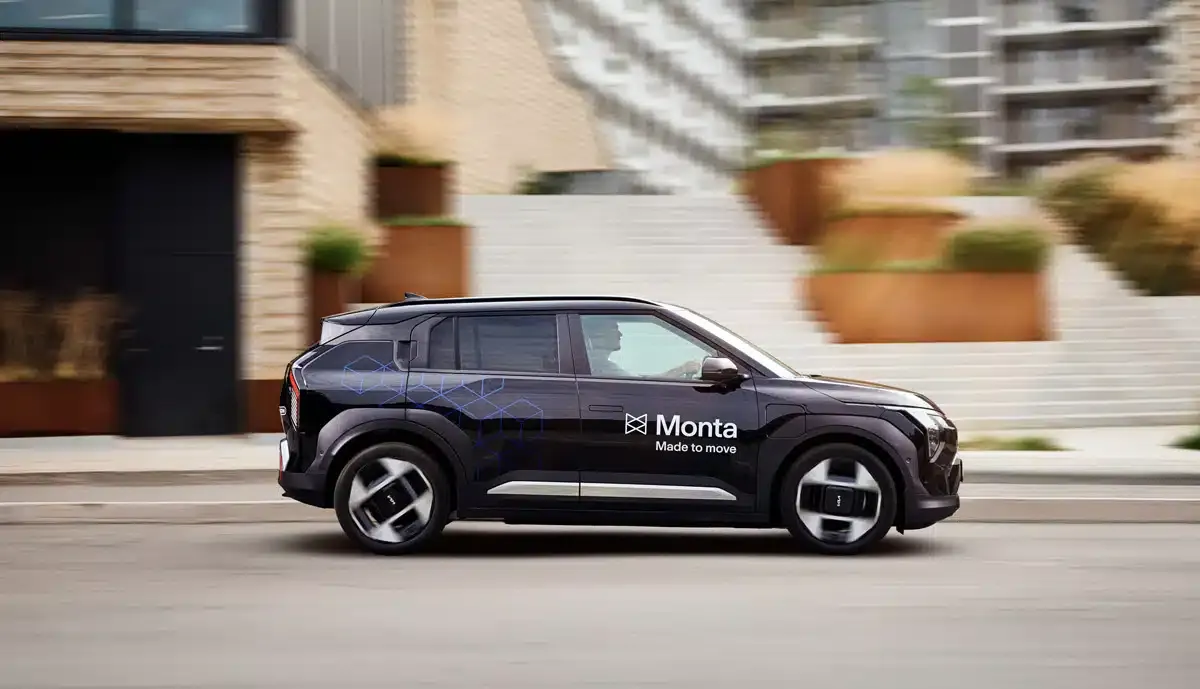
Image: Monta
Monta provides an integrated software solution for electric vehicle charging ecosystems. An analysis of charging activities conducted by the company shows that German electric vehicle drivers prefer to charge in the morning. According to Monta, this demonstrates the potential for improvement through intelligent charging infrastructure.
The concern that an increasing number of electric vehicles could overload Germany’s power grid in the evenings shapes energy policy debates and has led to regulatory actions. However, Monta’s new data analysis presents a fundamentally different picture.
An analysis of over 1.5 million anonymized charging sessions in Germany (January to July 2026) at more than 250,000 charging stations managed by Monta shows that the anticipated peak load on the power grid in the evening does not occur. Instead, the main charging period shifts to the early morning hours — “a positive effect that can be further enhanced through intelligent load management,” according to the company.
The data refute the common scenario of people returning home and charging simultaneously: Only 12.4 percent of all charging sessions in Germany take place during the critical evening window from 6 p.m. to 8 p.m. The actual peak load occurs in the morning: 21 percent of all charging sessions start between 6 a.m. and 8 a.m., when vehicles connect to the grid overnight or early in the morning before commuting begins.
Max Scherer, COO at Monta, says discussions about energy laws are too often driven by a scarcity mindset that focuses solely on restricting consumers. “Our data from over 1.5 million actual charging sessions in Germany show that reality is the opposite of what the public assumes: electric vehicle owners charge mainly in the mornings, during times when grid load is low. The grid doesn’t really have this problem at all—and intelligent software can ensure it stays that way in the future.”
In areas where intelligent load management is already in use, its benefits are evident: According to Monta, charging sessions with active “Smart Charging” consume an average of 16.2 kilowatt-hours (kWh) — compared to 23.1 kWh for uncontrolled charging. This represents a reduction in energy consumption per charge session of around 30 percent. Lower energy use over a shorter period directly relieves local power grid connections and the relevant utility providers.
The data also reveal, per Monta, where the greatest opportunities lie: Currently, intelligent load management is only used in a small portion of charging sessions in Germany. The potential for improvement through broader implementation is therefore significant — both for grid stability and to reduce costs associated with expanding network capacity.
"Every electric car is a battery on wheels — a potential component of the energy transition," said Scherer. "The prerequisite for optimal use is an intelligent infrastructure layer that operates in the background."
Also interesting
About the author
Thomas Langenbucher is an expert in electromobility with professional experience in the automotive and financial industries. Since 2011, he has been covering electric cars, sustainable technologies, and mobility solutions on ecomento.de. Learn more.
Reader interactions