
Allianz: Touching screens is as dangerous as alcohol. Distraction causes one in three accidents!
In the article:
Distracted driving may be linked to one in three traffic accidents
Cockpit design and touchscreens affect the time drivers take their eyes off the road
In simulations, distracted drivers performed worse than those with a blood alcohol level of 0.8 promiles
Most drivers want physical buttons back for the most important safety functions
Allianz: screen, click, accident
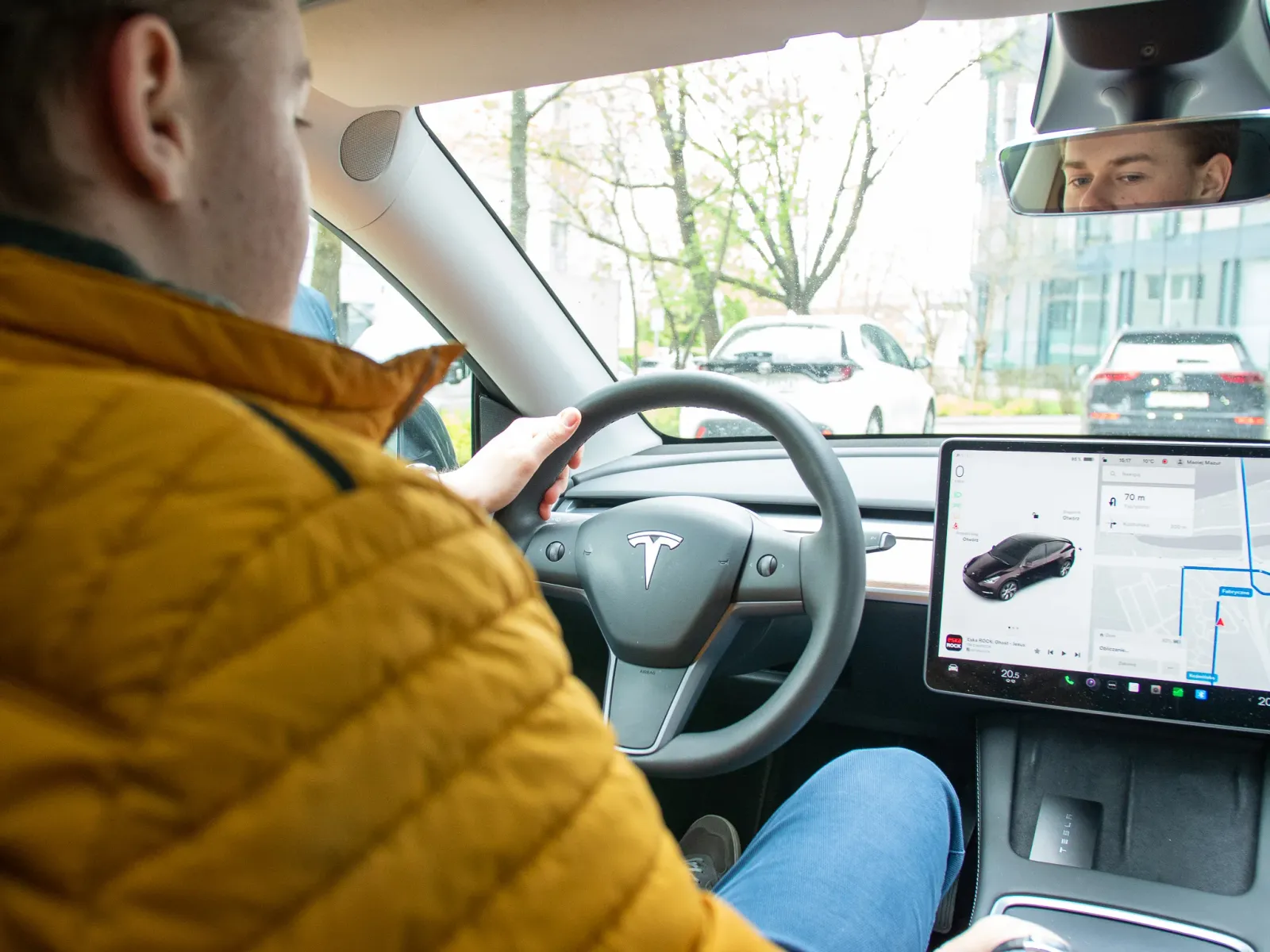
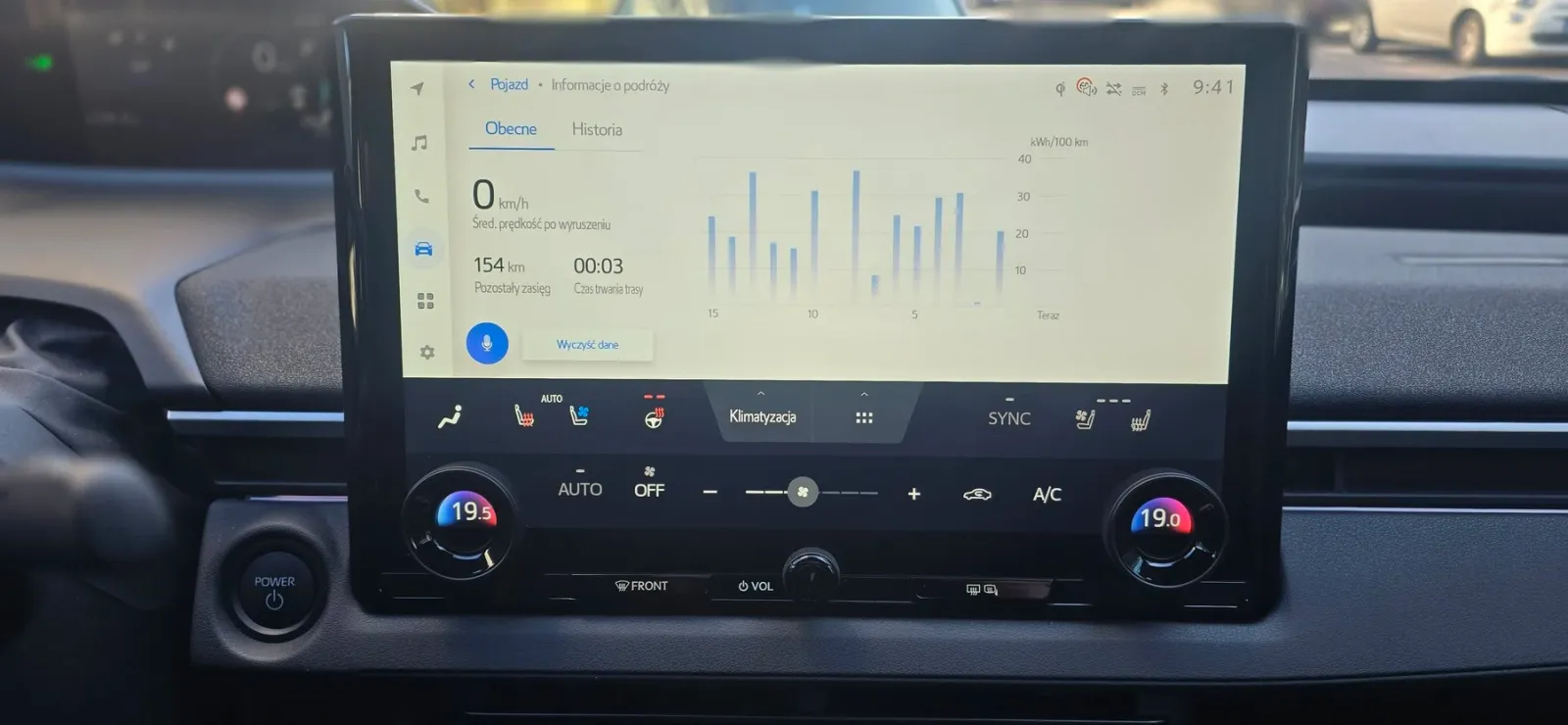
Automobile manufacturers have been moving more functions to central touchscreens over the years. Air conditioning, radio, vehicle settings, and sometimes even basic safety functions are now controlled through digital menus. Experts believe this may distract drivers from road conditions more often than previously thought.
This is the conclusion reached by the Allianz Center for Technology (AZT), which presented the results of a comprehensive research program during Allianz Motor Day 2026. According to the report “SWIPE. TAP. CRASH. Driver Distraction in the Digital Car,” distraction is linked to one in three road accidents, either as a direct cause or as a contributing factor!
The researchers analyzed over 34,000 accident cases, conducted eye-tracking tests in actual vehicles, carried out simulation studies in collaboration with the Technical University of Munich, and reviewed more than 80 previously published scientific papers.
The same car? No, the same problem
"Our research shows that the same task may require up to 25 percent less visual attention in one vehicle than in another. This tells us something important: distraction is not solely a matter of the driver’s behavior. It’s also a matter of the vehicle’s design. A car is not a smartphone. When safety is at stake, functionality must take precedence over design," emphasized Dr. Klaus-Peter Röhler, member of the board of management at Allianz SE responsible for insurance in Central Europe and German-speaking countries.
Field studies indicate that depending on the cockpit layout and how driver functions are arranged, drivers take even three seconds longer to look away from the road while performing identical tasks. This difference means driving dozens of meters at highway speeds without observing the road conditions.
Two Seconds Can Decide Everything
The report’s authors point out that glances away from the road lasting more than two seconds are particularly dangerous. An analysis of over 80 scientific studies showed that it is at this moment that the risk of an accident rises sharply.
“To ensure safe vehicle operation, clear guidelines are needed regarding which functions should be controlled via physical buttons and which through a touchscreen. At the same time, knowledge of human-machine interaction should be consistently applied in designing interfaces that minimize driver distraction,” said Dr. Christian Sahr, CEO of the Allianz Center for Technology.
Experts emphasize that the problem isn’t the touchscreen itself. What matters most is how the interface is designed and how easily access is provided to functions necessary while driving.
Worse than drivers after drinking
The strongest part of the report are the simulation results prepared in collaboration with CogniBIT. Scientists recreated four critical road scenarios using data on drivers’ behavior collected during field studies.
In the emergency braking scenario on the highway, the percentage of crashes resulting from such braking increased from 18.2% among drivers focused on the road to 54.3% among distracted drivers. Even more concerning were the results of simulations involving a child running into the road. The crash risk rose from 3.9% to 11.2%, and in 39% of cases, the distracted driver did not react at all.
Importantly, Allianz emphasizes that in all four scenarios analyzed, distracted drivers performed worse than simulated drivers with a blood alcohol level of 0.8 percent!
Drivers Want the Return of Buttons
The findings from these studies are also confirmed by an international survey conducted in nine countries: Australia, Austria, Brazil, France, Germany, Italy, Spain, Switzerland, and the United Kingdom. As many as 79 percent of respondents believe that modern in-car technologies have increased levels of distraction over the past few years. More than half of those surveyed consider the risk associated with distraction to be high or very high. Meanwhile, 73 percent of people who were involved in an accident over the past three years admitted that distraction could have played a role in it.
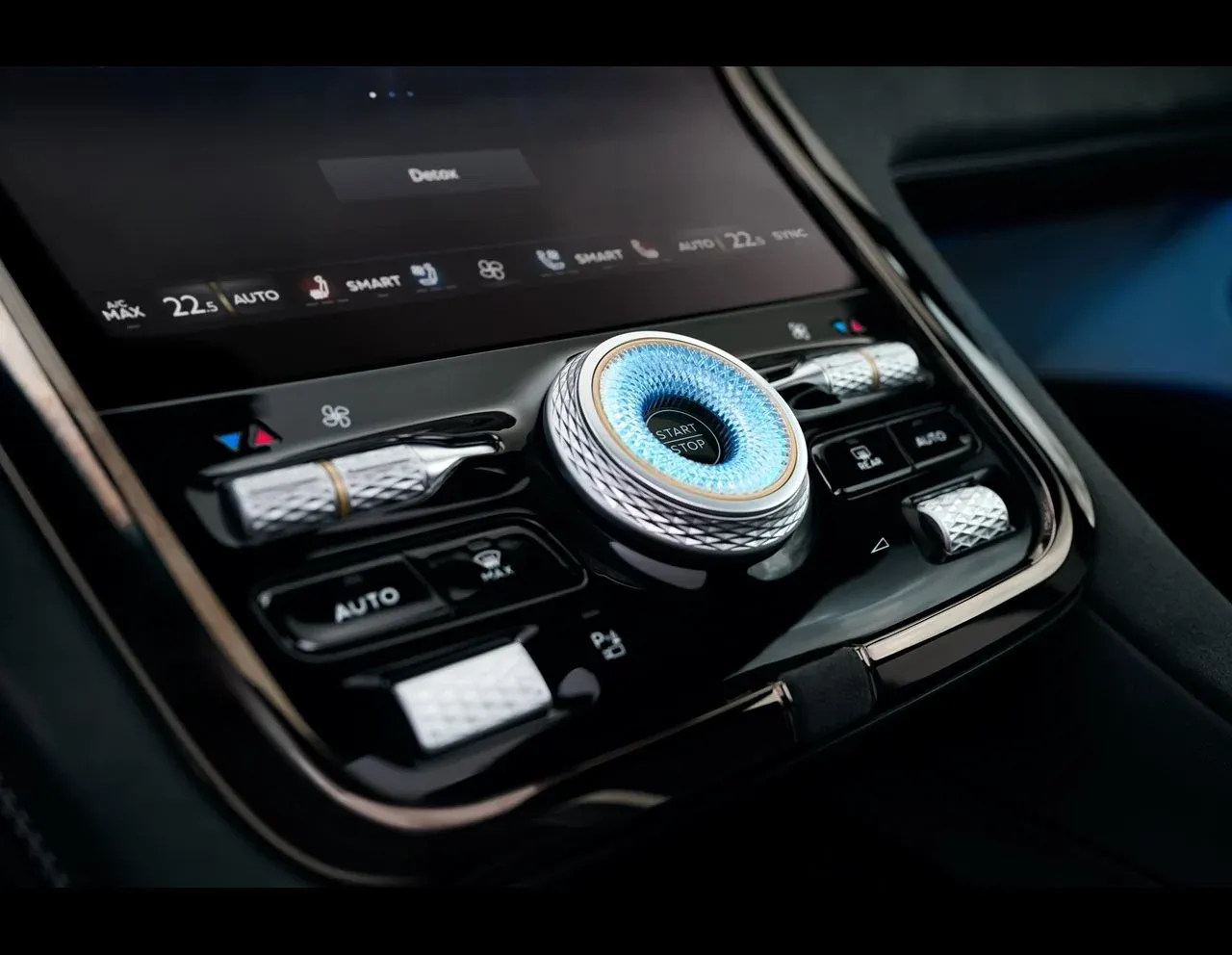
The most interesting finding relates to how cars are operated. As many as 65 percent of drivers support reinstating physical switches for functions that are crucial for safety.
Allianz calls on manufacturers and regulators
Allianz experts identify three areas that need change. First, manufacturers should design cockpits following the principle of “function first, design second.” This primarily refers to easy access to turn signals, lights, wipers, hazard lights, and windshield wiper systems.
Secondly, regulators should address the issue of distracted driving in a similarly systematic manner as other road safety threats and monitor its scale more effectively.
Thirdly, technology alone cannot replace the driver’s responsibility. Interestingly, as many as 86 percent of respondents believed that the primary responsibility for reducing distraction lies with the person behind the wheel.
Conclusions
In an era where cars are increasingly resembling smartphones on wheels, Allianz’s research findings show that technological advancements must go hand in hand with ergonomics and safety. These results are not isolated, as analyses by Poland’s Institute of Road Transport indicate that in modern cars equipped with semi-autonomous systems and internal displays, taking control of the vehicle in critical situations requires drivers’ attention and skills. When the driver is distracted, the reaction time needed to take control of the car increases by almost 3-4 times. It is for this reason that EuroNCAP rewards, and will continue to reward, vehicles that feature physical buttons for operating key functions.
Oskar Włostowski