
Everything about charging an EV or plug-in hybrid
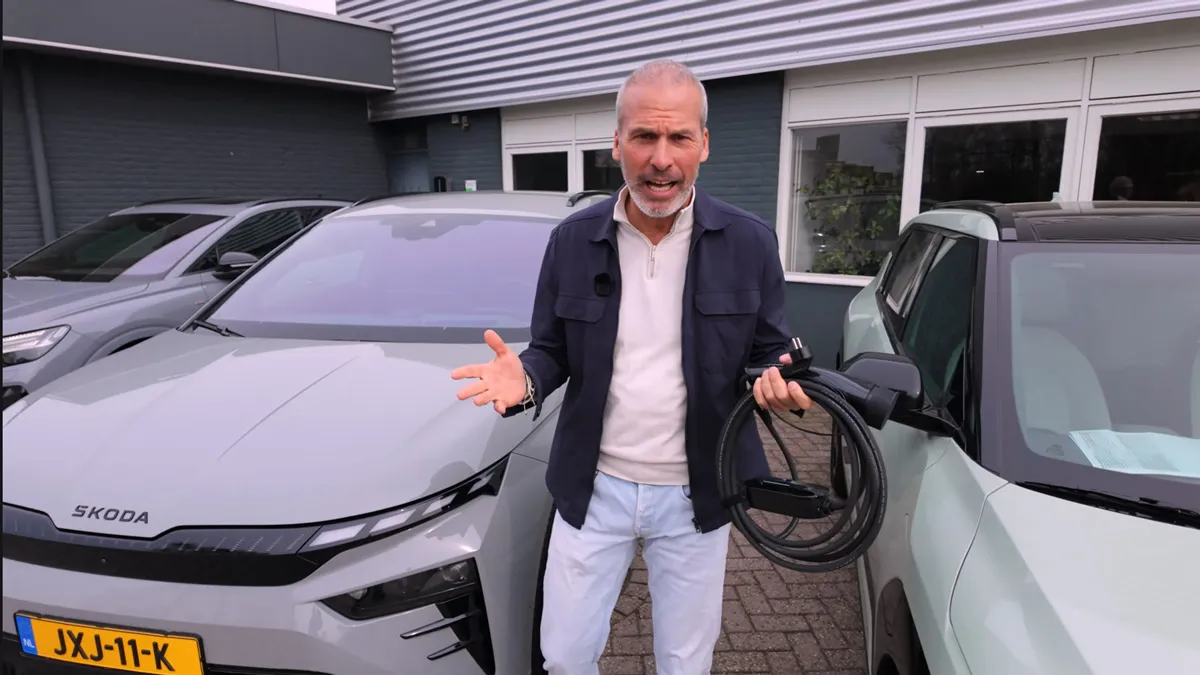
Those who drive electric vehicles need energy from an external source. This is essentially no different from gasoline or diesel cars, except that electric vehicles or plug-in hybrids offer many more options. Charging at home, using a public charging station, fast charging, or even a regular outlet: what is the most sensible option, how much does it cost, and what should you do if charging suddenly doesn’t work?
Charging doesn’t have to be complicated at all
The topic of electric vehicle charging is sometimes made out to be quite complicated. In reality, daily use is actually simple for many electric vehicle owners. Those who can charge at home simply plug in the charger when they return and set off again the next morning with a fully charged battery. There are public charging stations along the way, and for longer trips, there’s the fast charging network.
Yet there are significant differences. Not only in charging speed, but also in cost and the burden on the car and installation. Additionally, something might go wrong during charging. That’s why we list the various options.
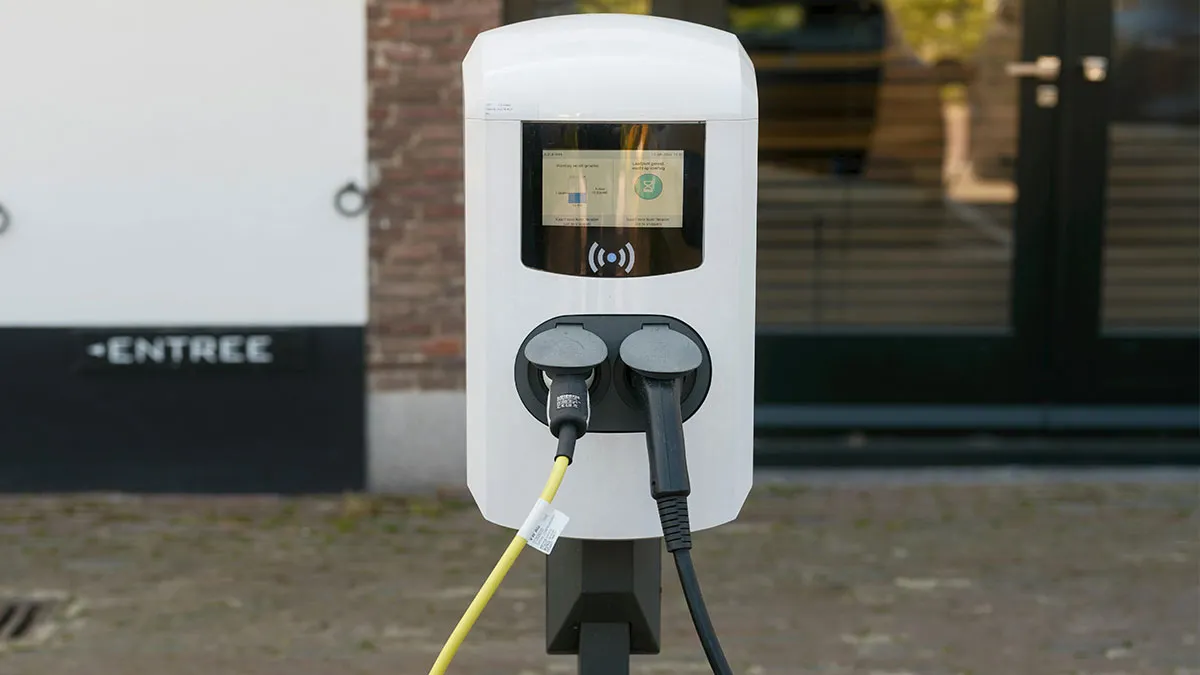
Home charging is usually the most convenient solution
Those with their own driveway have the easiest way to charge an EV or plug-in hybrid. With a good wallbox, the car can be connected at night, allowing charging to occur while you’re home or sleeping.
Home charging can be financially attractive, especially if you have solar panels or use a dynamic energy contract. Smart wallboxes can also adjust the charging time based on factors such as electricity prices or available solar energy.
The speed at which charging occurs depends not only on the wallbox but also on the home wiring and the car’s onboard charger, which determine how much power can actually be used. A 11 kW wallbox does not necessarily mean that every car can charge at 11 kW.
The regular outlet is mainly a temporary solution
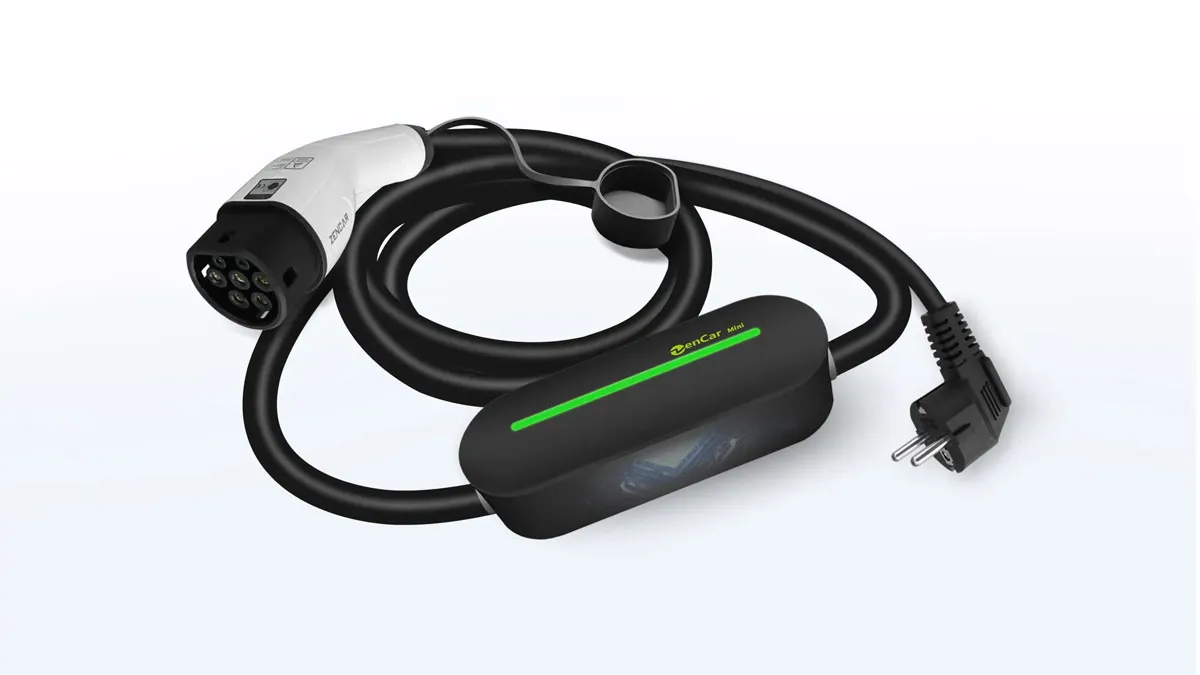
Some electric cars come equipped with a portable 230V charger. It’s not for nothing that it’s often called a emergency charger. You can use it to charge a car via a standard outlet, but it’s not an ideal solution for daily use.
The problem lies not so much in the car or charging cable. A regular power outlet and the underlying electrical system are not always designed to handle heavy loads for many hours in a row. With a poor or outdated installation, heat can be generated, and in extreme cases, even fire may occur.
Therefore, use such a portable charger mainly when no better charging option is available. For regular home charging, a properly installed wallbox is the smarter solution.
Public charging: don’t just look at where the charger station is
If you don’t have your own driveway, you usually rely on public charging stations. The Netherlands now has a large number of these, but that doesn’t mean every charger is the same.
Especially the prices can vary quite significantly. Even charging stations that are located close to each other may charge different rates. Additional fees might also apply, such as a blocking fee if a car remains connected for an unnecessarily long time after charging.
It’s therefore worthwhile to check the price and terms in advance on a charging app. With a charging card or subscription, you can then use various charging networks. This is especially convenient if you drive abroad regularly.
Fast charging is mainly intended for use on the road
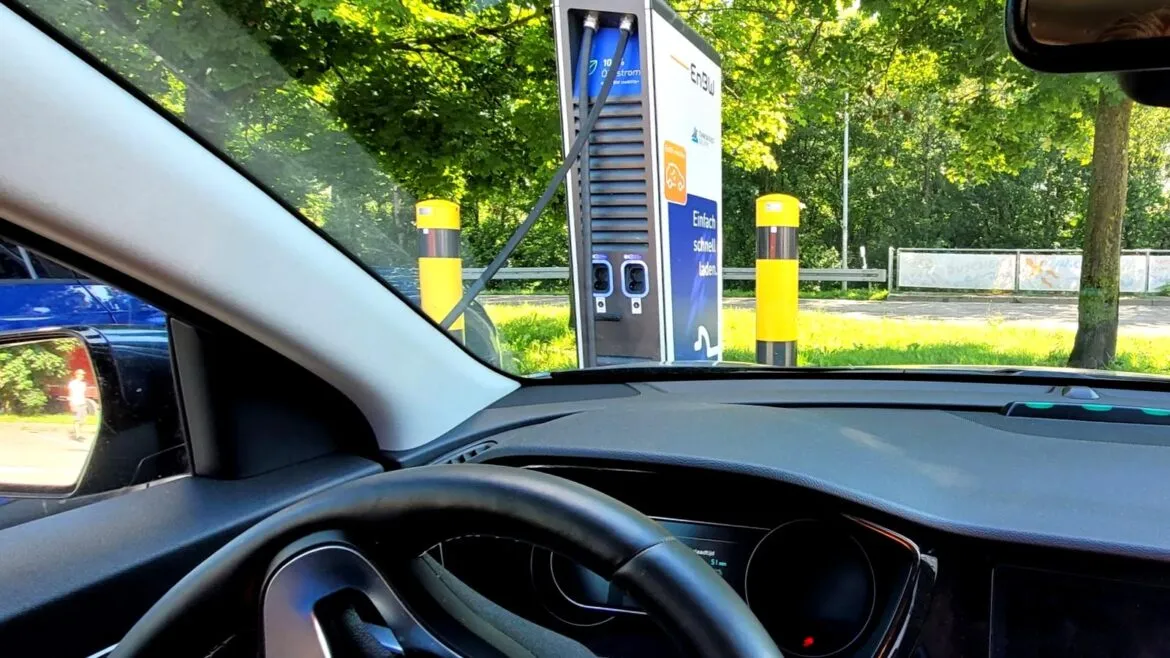
For longer trips, DC fast charging comes into play. In this case, electricity flows directly to the battery pack rather than through the car’s onboard charger. This allows for much higher charging speeds compared to AC charging at home or on the road.
The time it takes to charge using a fast charger varies greatly depending on the car. Moreover, the maximum charging capacity only tells part of the story. At least equally important is how long a car can maintain a high charging rate. The charging curve ultimately determines how many kilometers you can actually add to your range during a short stop.
Fast charging is usually more expensive than home charging and doesn’t need to be a daily habit for most drivers. Modern EVs are designed to support fast charging, but frequent DC fast charging can cause additional wear on the battery pack over time due to higher temperatures and charging speeds.
What if the car won’t charge?
A charging session seems simple: plug it in and start charging. However, much more happens behind the scenes. The car and the charger communicate with each other before and during charging. If something goes wrong in this communication, the charging session may fail to start or stop unexpectedly.
If a public charging station isn’t working, try reconnecting first or using a different station. If there are issues with a public charger, the support desk of the charging station operator can also provide help. They can often remotely identify what’s wrong and sometimes free up a charging port or stuck cable.
AC charging doesn’t work, but fast charging does
The situation becomes more interesting when the problem lies not with the charging station but with the car. An important sign is when an EV refuses to charge via a regular AC charger, yet DC fast charging still works.
This may indicate a problem with the onboard charger. With AC charging, the alternating current from the power grid must be converted by the car into direct current for the battery pack. With DC fast charging, this conversion occurs outside the car. As a result, fast charging might still work while AC charging stops functioning.
At that point, it’s not very useful to keep trying different charging stations. The car needs to be diagnosed by a specialist who has the proper knowledge and diagnostic equipment.
Proper charging starts with common sense
For daily use, home charging via a quality wallbox remains the most convenient solution for many drivers. If using a public charging station, check the rate and any additional costs in advance. Reserve the 230V emergency charger for situations where you truly need it, and consider fast charging primarily as a quick solution while on the road.
And if the car still won’t charge despite everything? The problem might lie within the car itself. A specialist familiar with electric and plug-in hybrid vehicles can then investigate issues such as a faulty onboard charger or a problem with the charging system. NexDrive is such a nationwide network of specialized garages for the maintenance and diagnosis of electric and hybrid vehicles.