
Something doesn’t add up if even the world’s largest manufacturer doesn’t know which battery will dominate by 2035.
24/10/2026 11:00
Updated to
24/10/2026 11:00
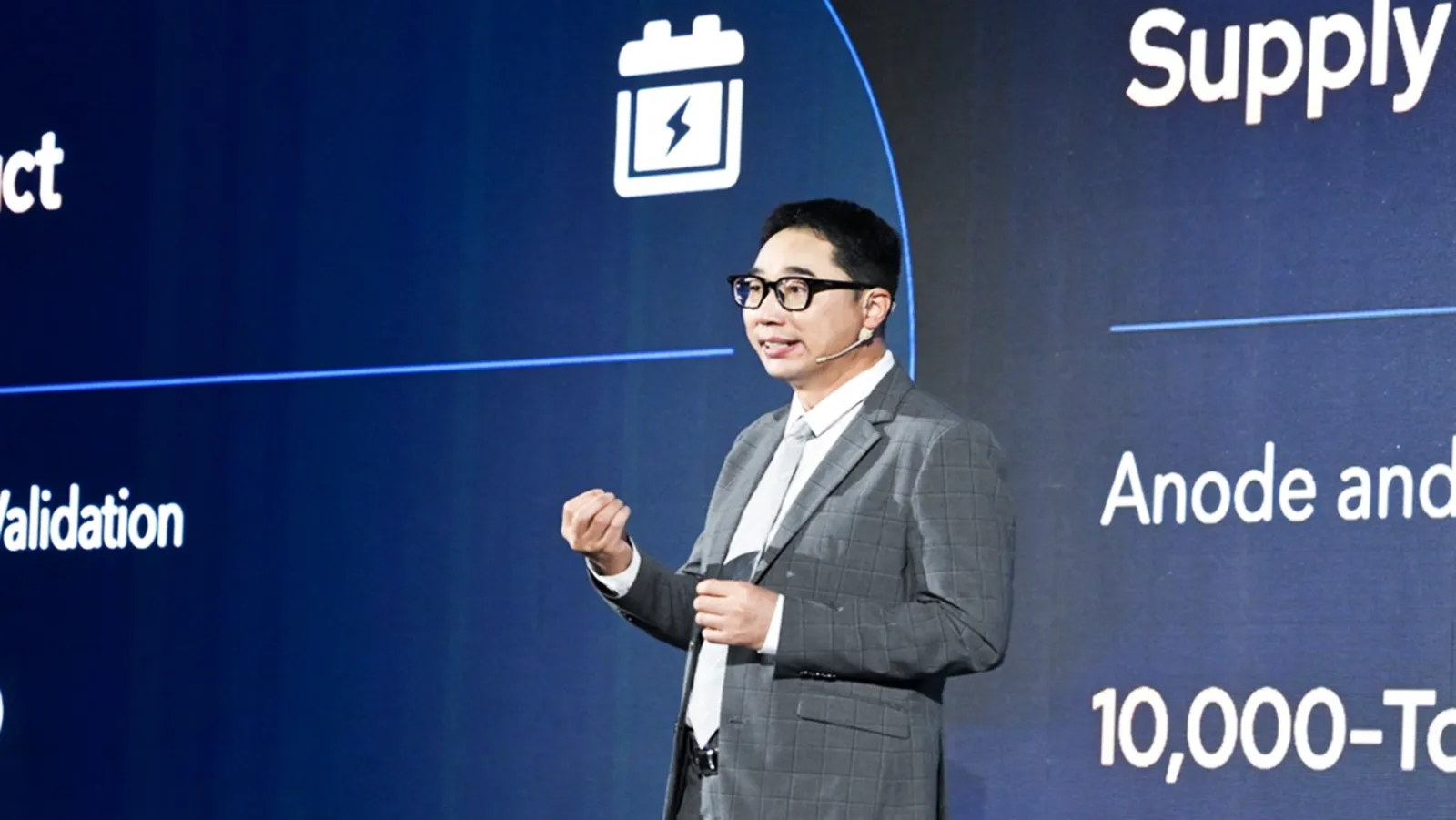
Even CATL, one of the world’s largest manufacturers of batteries for electric vehicles, is not sure which technology will dominate the market in ten years. Akin Li, CEO of the company’s international business unit, admitted in an interview that it is still impossible to determine which chemistry will be best by 2035. For this reason, the company is developing LFP, NMC, sodium, and solid-state batteries simultaneously. Regarding the latter, which many manufacturers consider the future of electric vehicles, the executive acknowledged that there are still significant challenges to overcome.
CATL is unsure which batteries will be best in ten years
The race to develop cheaper, more durable batteries with longer range has become one of the main battlegrounds in the automotive industry.
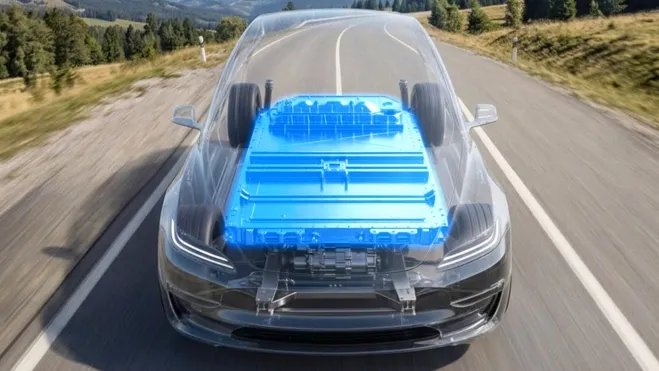
However, CATL avoids committing to a single technology for its future. During the interview, Akin Li explained that he had recently discussed this issue with an automaker. "To be honest, we don’t know what chemistry will be the best around 2035," he admitted.
This response is particularly significant because it comes from a company that supplies batteries to numerous international manufacturers.
Li added that CATL aims to have access to whatever technology ultimately becomes dominant, whether it’s NMC batteries, LFP batteries, sodium-ion batteries, or other solutions still under development.
Solid-state batteries still have a long way to go
Li does not rule out the possibility that it could eventually become a relevant solution, but he also doesn’t consider it an inevitable winner. In fact, the company argues that each application requires a different technology. For commercial vehicles that travel short distances and need high durability, LFP batteries offer significant advantages.
On the other hand, certain long-distance vehicles may require the higher energy density of NMC batteries.
Spain is part of CATL’s industrial plans
This technological strategy will have direct consequences for Europe and Spain. CATL is developing a European industrial network consisting of its facilities in Germany, Hungary, and Spain, the latter through a joint venture with Stellantis.
According to Li, the combined capacity planned will exceed 150 GWh and include NMC and LFP batteries, enabling it to meet the diverse needs of European manufacturers.
The executive also believes that battery swapping could have a future in European heavy transportation. This approach would allow a depleted battery to be replaced with a new one in about five minutes, reducing reliance on charging stations with extremely high power output.
In addition, Li recalls that batteries account for 25% to 30% of a vehicle’s price, which explains the interest in commercial models where they can be rented separately.
CATL is thus betting on keeping multiple technological paths open as the market evolves. Its message for the next decade is that the battery of the future has not yet been determined, even for one of its leading manufacturers.