
The charging station subsidy starts (September 22): 80% full reimbursement
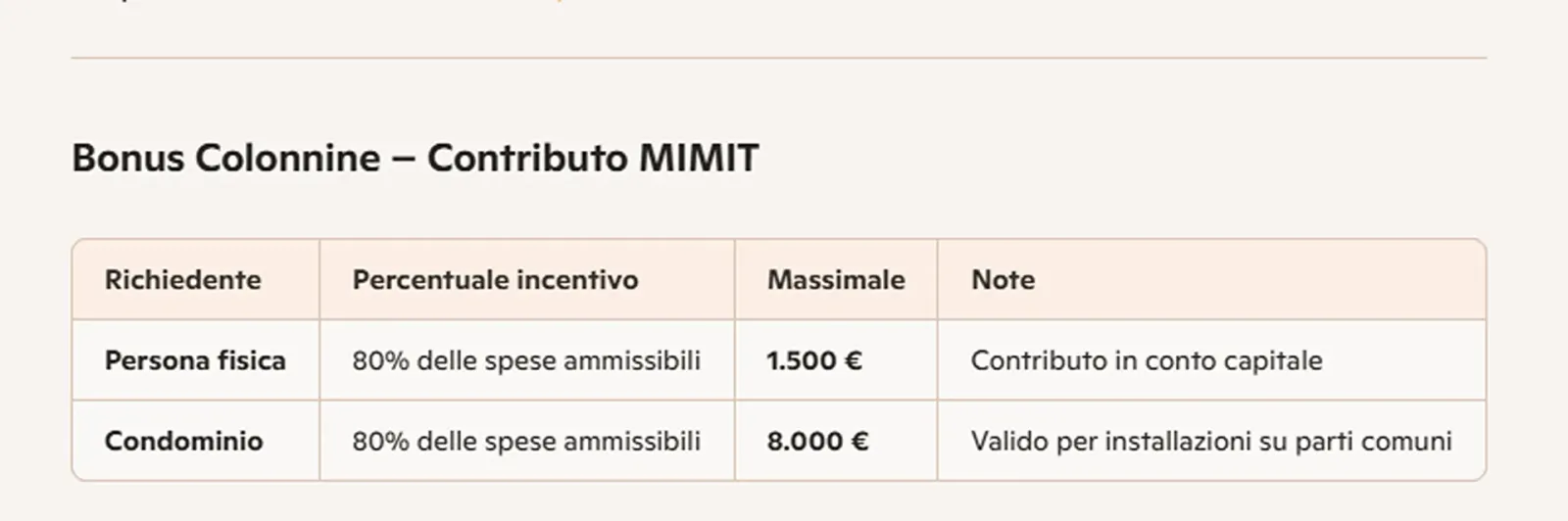
The charging station subsidy program has begun. It starts at 12 p.m. on Tuesday, September 22, when applications can be submitted for the Ministry of Business grant to install electric charging infrastructure at home or in any private setting. There are 68 million euros available for spending by 2030. The grant covers 80 percent of the costs incurred for purchasing and installing a wallbox, up to a maximum of 1,500 euros. This limit rises to 8,000 euros for installations in common areas of apartment buildings. 15 million euros are allocated, with retroactive incentives available starting from June 26, 2026.
How to obtain the charging station subsidy
The announcement of the bonus comes at the start of the year with the introduction of the automotive fund that also finances light commercial vehicles, the great success of the tender, and social leasing, but the tender will be published in 2027. Recently we reviewed the main steps to participate and reminded everyone of the approaching publication date of the tender.
Regarding the time frame, applications can be submitted from 12 p.m. on September 22, 2026, until 12 p.m. on January 31, 2027. How to do it? Only through Invitalia’s computer platform, which has managed this program in previous years as well. If the funds are exhausted before the deadline, it will be brought forward, so it’s best to be prepared.
Automotive Fund: 300 million for “low emissions,” not just electric vehicles
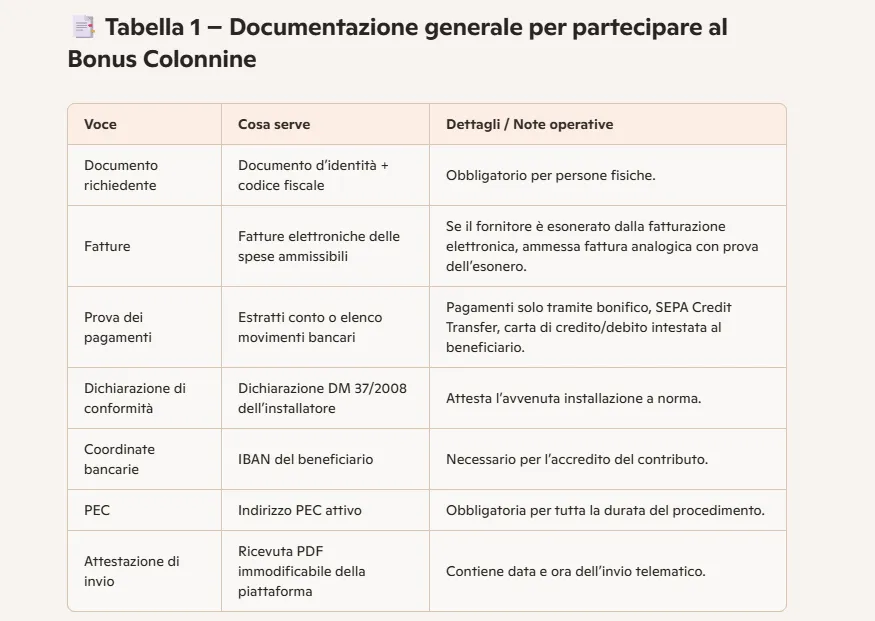
Beware, simply buying a charging station is not enough; it must be installed and certified by a technician. As we have seen in previous years, many make mistakes, and bureaucracy does not tolerate them. The rule is clear: If an application is unprocessable, only one new application can be submitted by the deadline. If even the second application is unprocessable, no further applications can be filed. But what is required? First, an active Pec address is necessary, and all payments must be traceable. We have summarized the rules in the table below.
8,000 euros in incentives for apartment complexes, says Urso: 54% of charging stations are Made in Italy
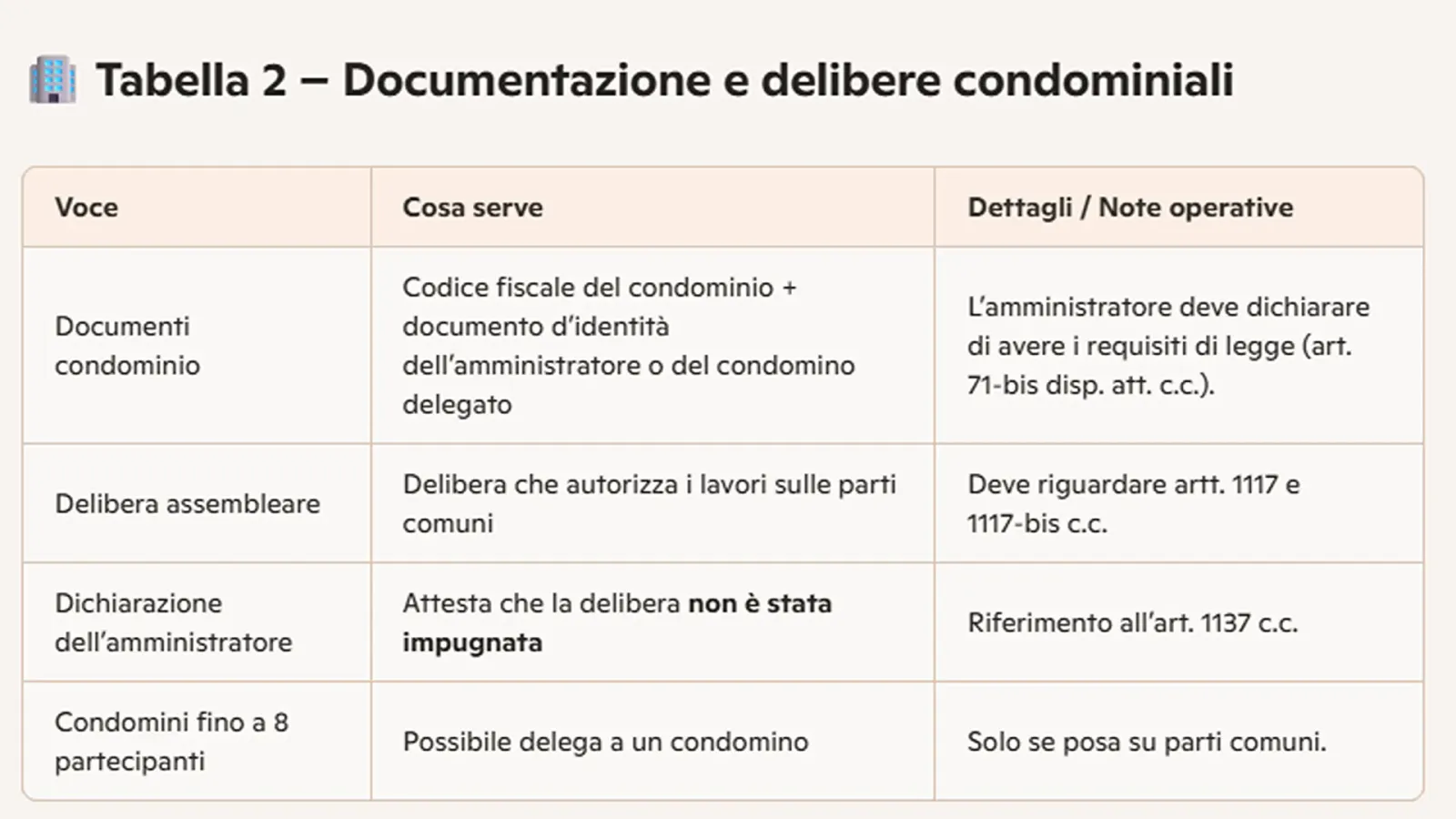
The subsidy supports the installation of charging stations not only for private individuals but also in apartment buildings, where the incentive can reach up to 8,000 euros. It was not very successful in the past, but with regulations requiring charging infrastructure in new homes or during major renovations, this measure might attract more interest. We have summarized below the requirements for apartment buildings.
"Today we take another step forward in implementing the program we are developing to support the industry’s industrial and ecological transition," said Minister Urso. "With this measure," he continued, "we support consumers and, at the same time, Italy’s supply chain. In fact, 54% of the next-generation charging infrastructure installed in Italy is produced within our country. Every euro invested in the charging network thus also supports Italian manufacturing, employment, and our technology sectors."
The Birth of an Electric Vehicle (A2) as Told by Audi
Santucci’s remarks, managing director of Jameel Motors Italia for Geely and Zeekr
The focus is on the economic impact, but we should also remember that incentives have increased Italy’s fleet of electric cars, though still at a very limited pace compared to other European countries that require wallboxes. As Marco Santucci, managing director of Jameel Motors Italia for Geely and Zeekr, notes: “The charging station bonus is a positive signal for electric mobility in Italy. At a time when electric and plug-in hybrid vehicles are gaining more market share—reaching 6.4% and 12% of new registrations in August respectively, up from 4.9% and 7.1% a year ago—improving charging infrastructure helps solidify this trend and opens new opportunities for companies in the industry. For an international player like Geely, the availability of infrastructure is also a factor that makes the country attractive, facilitating planning for its presence there.”
Trade and investment aspects. The multi-year perspective of this measure, with funding available until 2030, provides a favorable outlook in this direction. Geopolitical tensions and pressures on the oil market further highlight the strategic value of electrification in the automotive sector. Expanding the use of electric vehicles can help gradually reduce mobility’s dependence on oil, a scenario that makes developing a widespread and accessible network incorporating home, public, and fast charging even more important.READ ALSO: Hotel Charging 2.0: Elli explains it (and answers your questions) – watch the VIDEO
Previous Article
Germany under attack by thieves targeting charging cables
Next Article
ANIE on renewables: Italy must change course or say goodbye to the 2030 target