
Like BYD, the owner of OMODA and JAECOO wants to sneak into North America by any means necessary.
25/10/2026 09:00
Updated to
25/10/2026 09:00
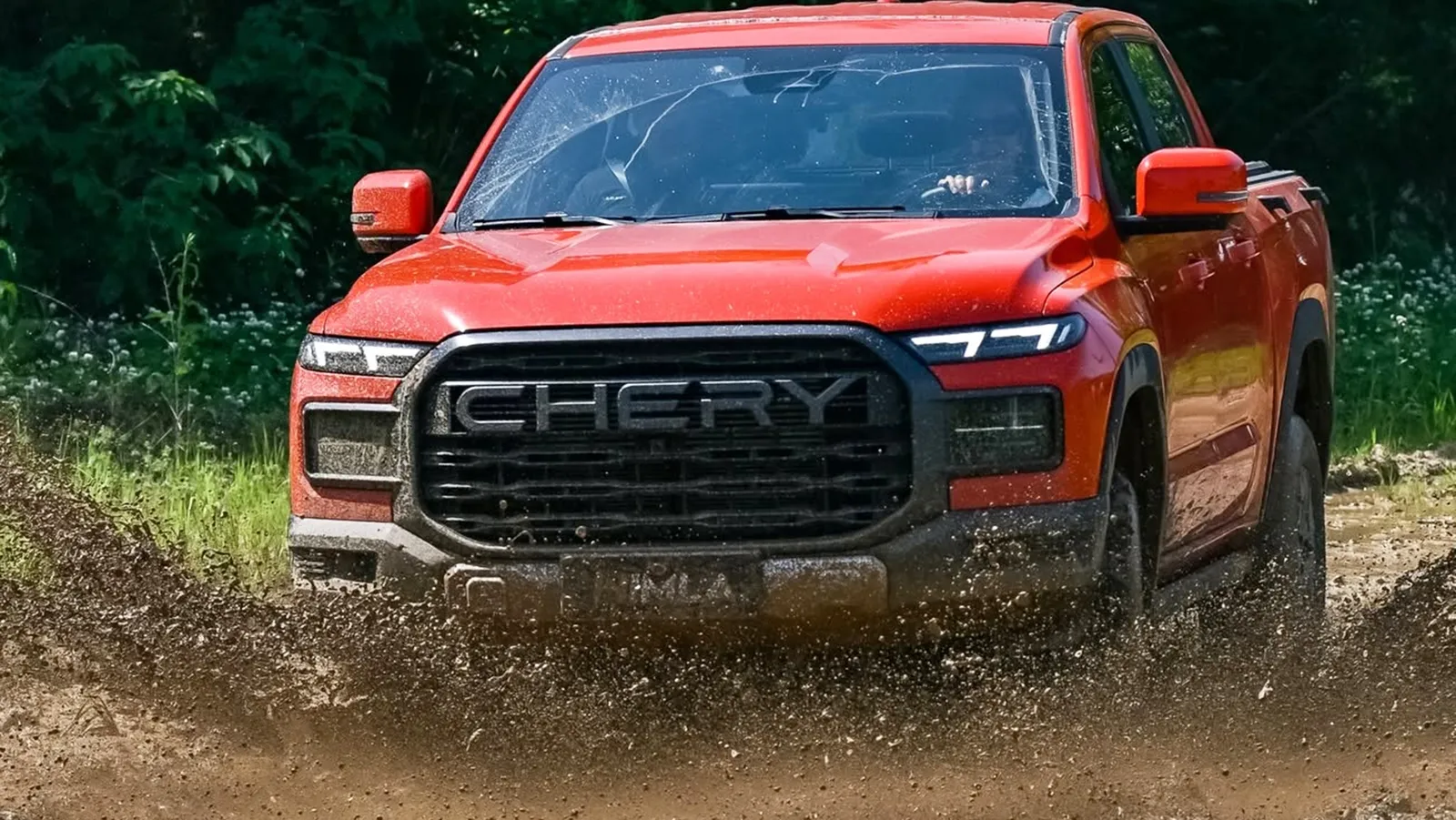
The Chinese manufacturer Chery, owner of OMODA and JAECOO, is seeking ways to enter the United States despite the huge trade barriers that make it difficult for cars from China to get in. Charlie Zhang, vice president of the group, confirmed in an interview that the company is preparing to launch a brand in Canada at the beginning of 2027 and is open to collaborating with American manufacturers. This strategy could allow it to access the world’s second-largest automotive market without being limited to exporting vehicles made in China.
Chery looks for ways to enter the U.S. despite tariffs
Chery’s international expansion now has a particularly challenging target: the United States. The Chinese manufacturer, which is strengthening its presence in Europe through brands like OMODA and JAECOO, believes there are alternatives to enter the U.S. market.
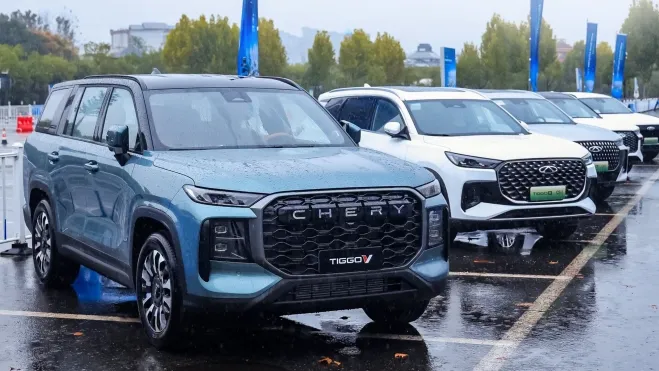
The main obstacle are tariffs of over 100% imposed on certain Chinese cars, in addition to restrictions related to data security and connectivity systems.
During an interview at Chery’s headquarters in Wuhu, Charlie Zhang explained that the company is exploring various options. “We are very open to different possibilities, including a potential partnership with American manufacturers,” said the vice president.
So far, Chery has not announced any concrete deals with American brands, nor has it detailed how such an industrial or technological collaboration might take shape.
Cars without Chinese technology to bypass restrictions
One of the options Chery is considering is developing vehicles that can meet U.S. requirements without using certain technological components from China.
"From a technical standpoint, we can definitely find a solution that avoids Chinese components in terms of both hardware and software," said Zhang.
This statement is particularly significant because U.S. restrictions do not apply only to where the cars are manufactured; they also cover certain computer systems and connectivity technologies linked to China.
While exploring these alternatives, the manufacturer is preparing to enter the Canadian market in early 2027, a move that would expand its presence in North America though it does not guarantee access to the U.S. market.
BYD and Ford, another example of how China seeks to enter the American industry
Chery is not the only Chinese manufacturer considering technological partnerships as an alternative to traditional exports. Discussions between Ford and BYD for the American company to acquire batteries for some of its hybrid vehicles are well-known.
A possibility under consideration was supplying those batteries to Ford’s factories located outside the United States. The negotiations did not result in a final agreement or the commercial entry of BYD vehicles into the country.
The case shows how Chinese technology can be integrated into vehicles made by American manufacturers, even when Chinese brands themselves struggle to sell their cars directly.
For Chery, which is already strengthening its presence in Spain, the goal is similar: to leverage its technological advancements and growing industrial capacity to establish partnerships with traditional manufacturers.
The next step will be to see if these discussions lead to actual agreements. Competition between China and the United States could thus shift from direct car sales to the supply of technologies and components.