
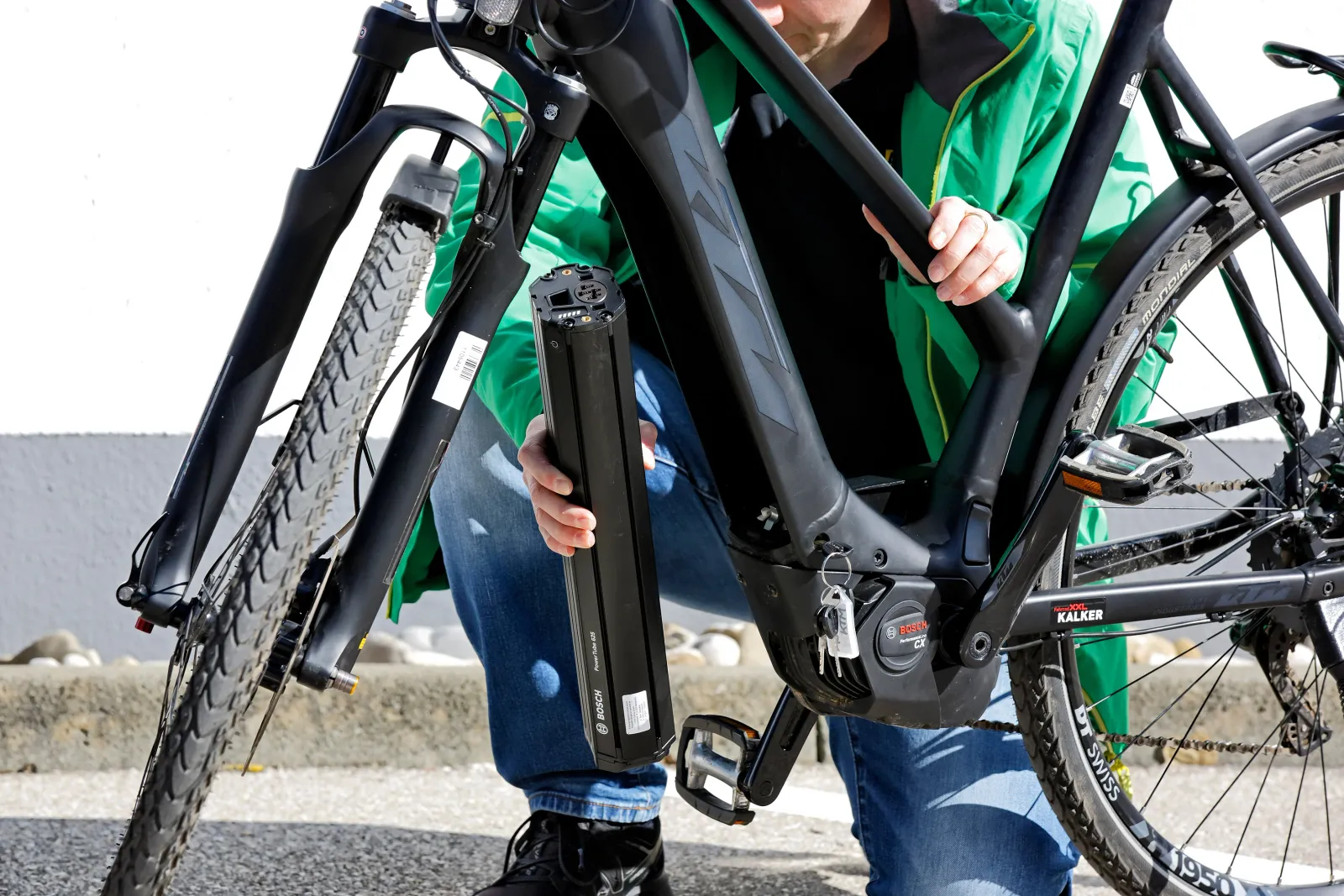
The e-bike and e-scooter battery during the winter break. A dry place with temperatures up to 20 degrees Celsius is optimal.
In short:
Winter doesn’t have to mean problems with the battery in an electric bike or e-scooter
The key is proper storage, as improper storage can accelerate the wear of this critical component
Temperature, charge level, and regular checking of the battery’s condition during long periods of inactivity are crucial, advises ADAC
A dry place and a temperature between 10 and 20 degrees Celsius can extend the battery’s lifespan
After a trip, a severely cooled battery should first gradually reach room temperature — this is advice for those who use electric vehicles during winter
Winter storage? The battery requires special attention
As temperatures drop, many users of electric bikes, scooters, or garden equipment store their gear in the garage, shed, or outdoor storage until spring. However, experts from Germany’s ADAC automobile club warn that a longer winter storage period requires proper preparation of the battery. The way it is stored affects not only its performance after a few months but also its lifespan.
According to ADAC, low temperatures alone do not damage a well-functioning lithium-ion battery, which is now standard in most electric bikes, scooters, tools, and garden equipment. Still, cold weather can temporarily limit its performance and usable capacity. For this reason, it is especially important to ensure proper conditions during longer periods of inactivity.
The key is a dry place with a positive temperature
The organization’s experts recommend storing batteries in a dry place, at a temperature between 10 and 20 degrees Celsius, and away from direct sunlight. Such conditions are considered most beneficial for lithium-ion batteries.
The charge level is equally important. ADAC reminds that various manufacturers may provide their own recommendations for energy storage, but the general principle remains unchanged: batteries should not be left charged or completely discharged for many weeks. For the winter break, a charge level of around 40-60 percent is recommended.
Experts from the club emphasize that deep discharge is particularly dangerous. Although lithium-ion batteries have low self-discharge rates, prolonged storage for months can cause the voltage to drop below safe levels. As a result, the battery may lose its ability to charge properly and require replacement. Therefore, ADAC recommends regularly checking the battery’s charge level during storage and recharging it if necessary.
Producer’s golden tips
The organization also reminds people to follow the manufacturer’s recommendations for their specific device, as some models may require additional maintenance before winter arrives.
The advice is also intended for those who do not give up riding electric bikes or scooters during the colder months. According to ADAC, after a trip, a severely cooled battery should first gradually reach room temperature. It is especially important to avoid charging the battery at temperatures below 0 degrees Celsius. Experts say that this usage method helps reduce the risk of cell damage and maintains their performance for longer.
Oskar Włostowski